Isopropyl alcohol is effective for precision and electronic parts, but it is flammable and requires sealed, rated equipment.
Why IPA is used
Isopropyl alcohol evaporates quickly and is used for some electronic and precision parts where a dry, residue-free result is wanted.
It can also be used for select laboratory and optical work.
The flammability problem
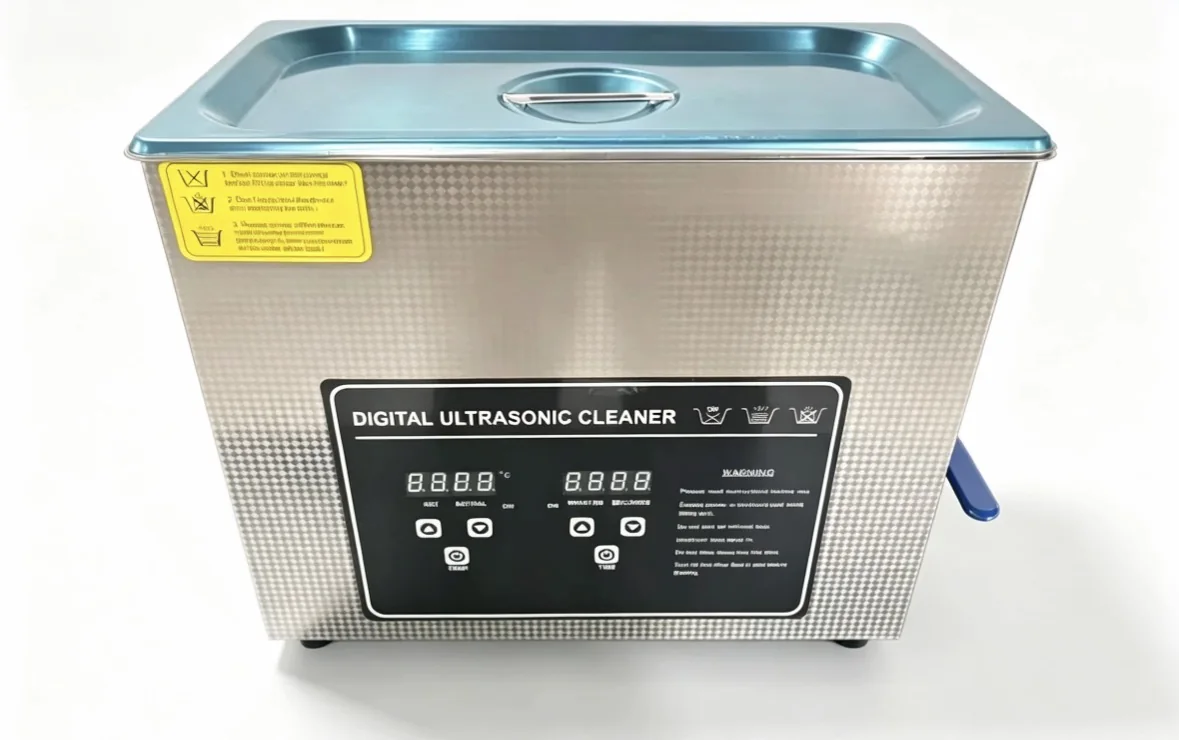
IPA is highly flammable and can form ignitable vapour, especially when heated or agitated. A standard open, heated ultrasonic machine is not safe for it.
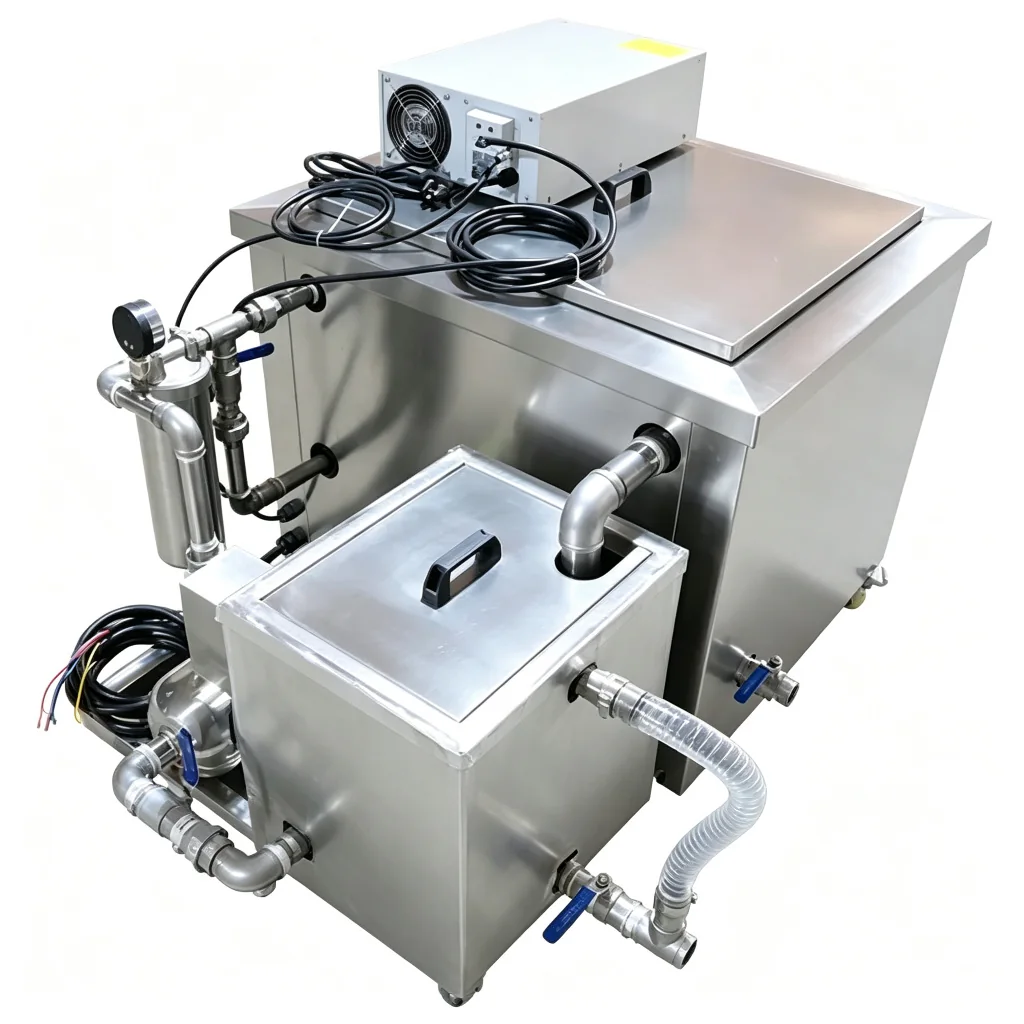
Sealed, explosion-proof or vacuum equipment is required, with controlled vapour and recovery.
- Highly flammable
- Vapour risk when heated
- Sealed or explosion-proof equipment required
Safer alternatives
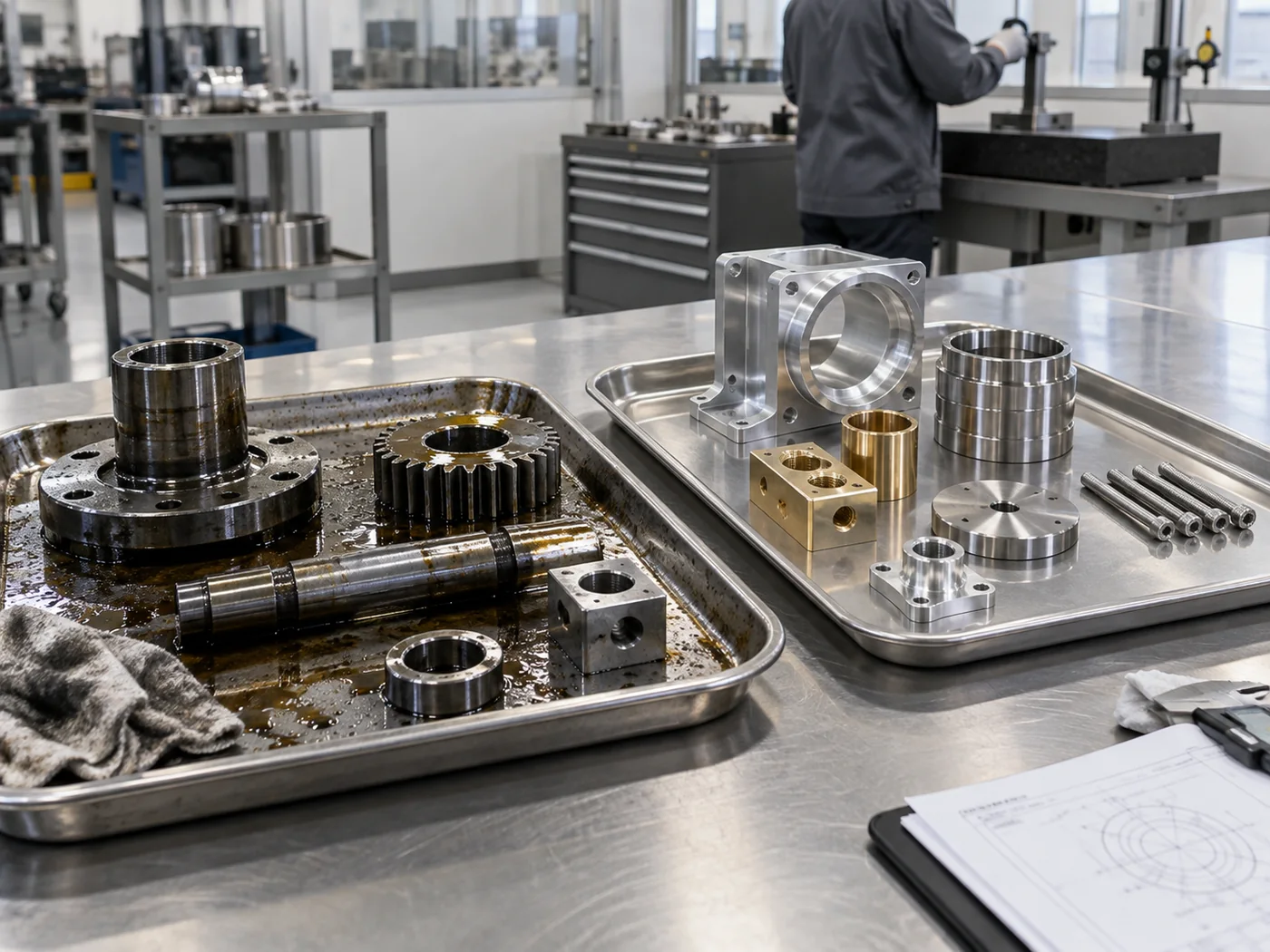
Many tasks that people reach for IPA to clean can use water-based de-flux or neutral chemistry, or hydrocarbon media in a rated sealed system.
The chemistry is reviewed against the actual contamination and part.
If IPA is genuinely required, the equipment and site safety must be confirmed first.
Handling and ventilation
Use the ventilation, inerting and recovery measures the equipment specifies, and keep ignition sources away.
Site safety and the applicable rules should be confirmed before use.
Quick Answers
Frequently asked questions
Only in sealed, explosion-proof or vacuum-rated equipment; IPA is highly flammable and must not be used in an open heated standard machine.
For many electronics and precision tasks, water-based de-flux or neutral chemistry provides a safer alternative, confirmed by trial cleaning.
It evaporates quickly, but the flammability and vapour risk are the main concerns rather than residue.