
Industrial Single-Tank & Special Cleaners
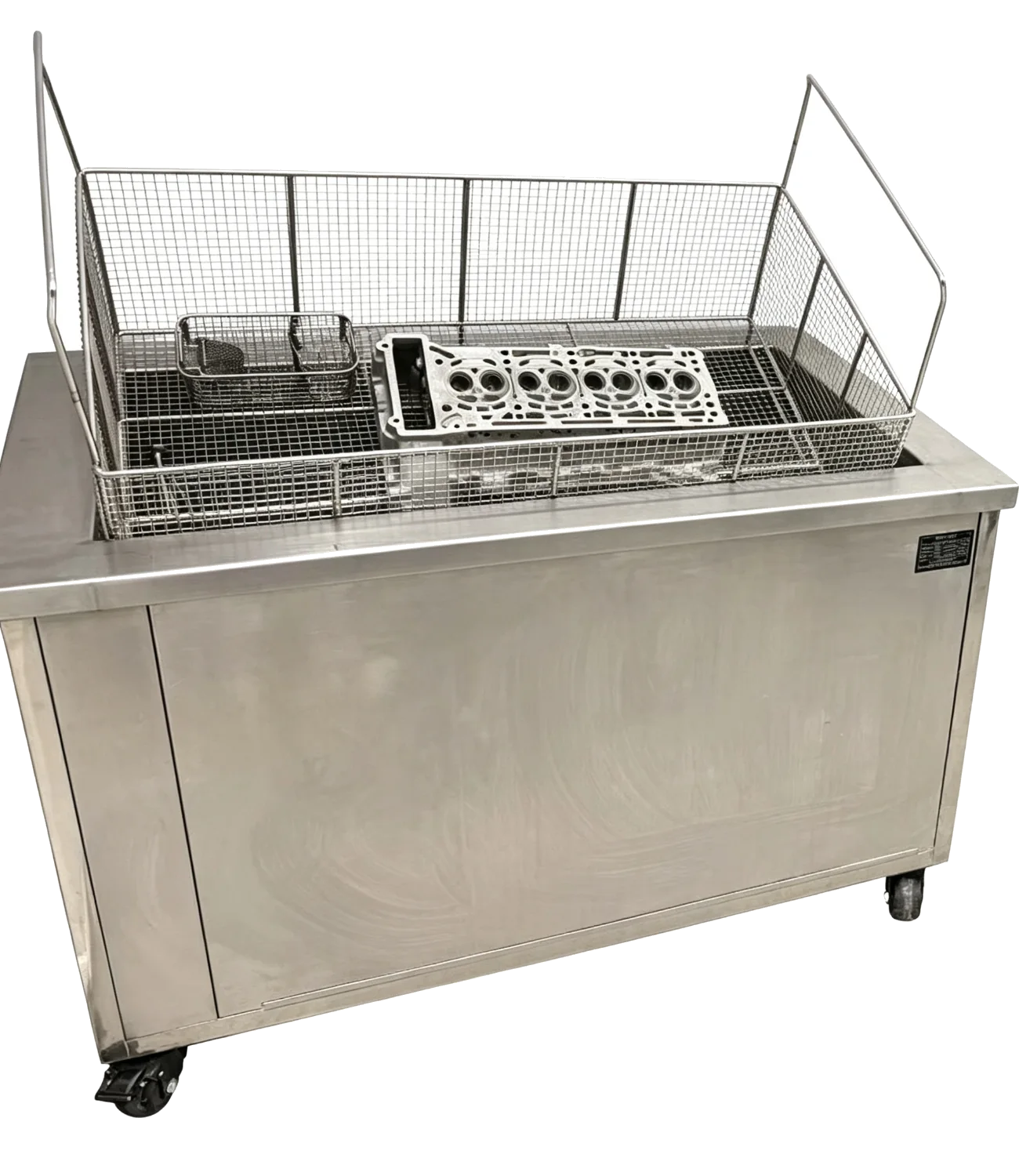
Ultrasonic Cleaner with Lifting Platform & Agitator
Hydraulic lifting platform with vertical agitation for heavy baskets
View configuration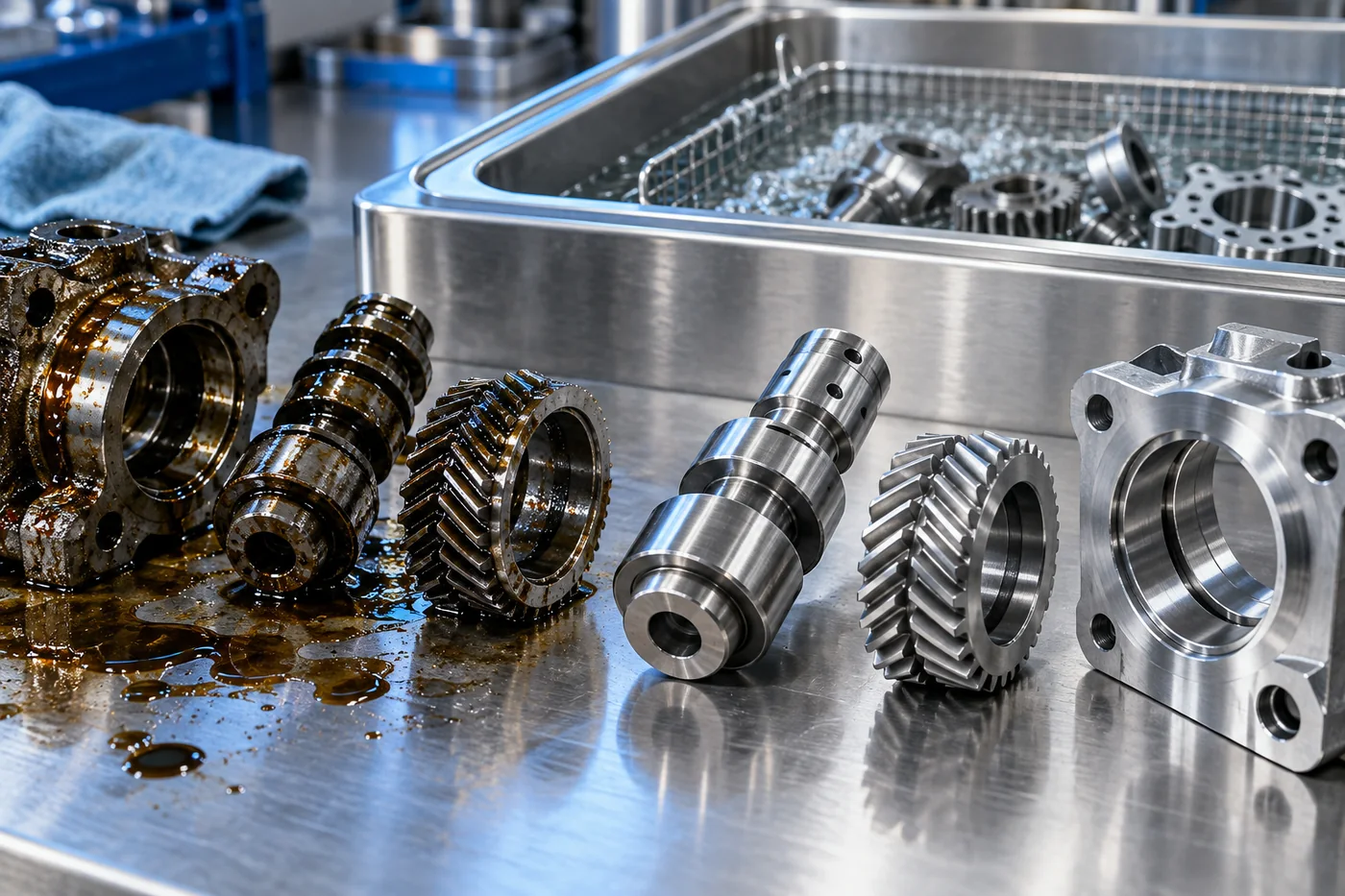
LENJEX Solution Center
Removes carbon deposits from engine, fuel and turbo parts using heated cavitation and appropriate chemistry.
Overview
Carbon is hard and oil-bound.
Carbon deposits form on pistons, cylinder heads, valves, injectors, turbo parts and fuel-system components, often bound with oil and varnish. Heated ultrasonic cavitation lifts these deposits from recessed areas and passages without aggressive scraping that can damage machined surfaces.
A heated heated ultrasonic cleaner or lifting-platform cleaner is used with appropriate chemistry. The application is described in detail for automotive parts cleaning.
Process Considerations
Carbon type and part geometry drive the cycle.
Soft soot, hard baked carbon and varnish require different temperature and time.
Warm baths and suitable detergent soften and lift carbon; the combination is validated for the material.
Cavitation reaches combustion chamber features, injector parts and small holes.
Rinsing removes loosened carbon, followed by inspection of recessed areas.
Recommended Route
Confirmed with trial cleaning.
Related Systems
Heavy parts often need lifting or filtration.
Industrial Single-Tank & Special Cleaners
Hydraulic lifting platform with vertical agitation for heavy baskets
View configuration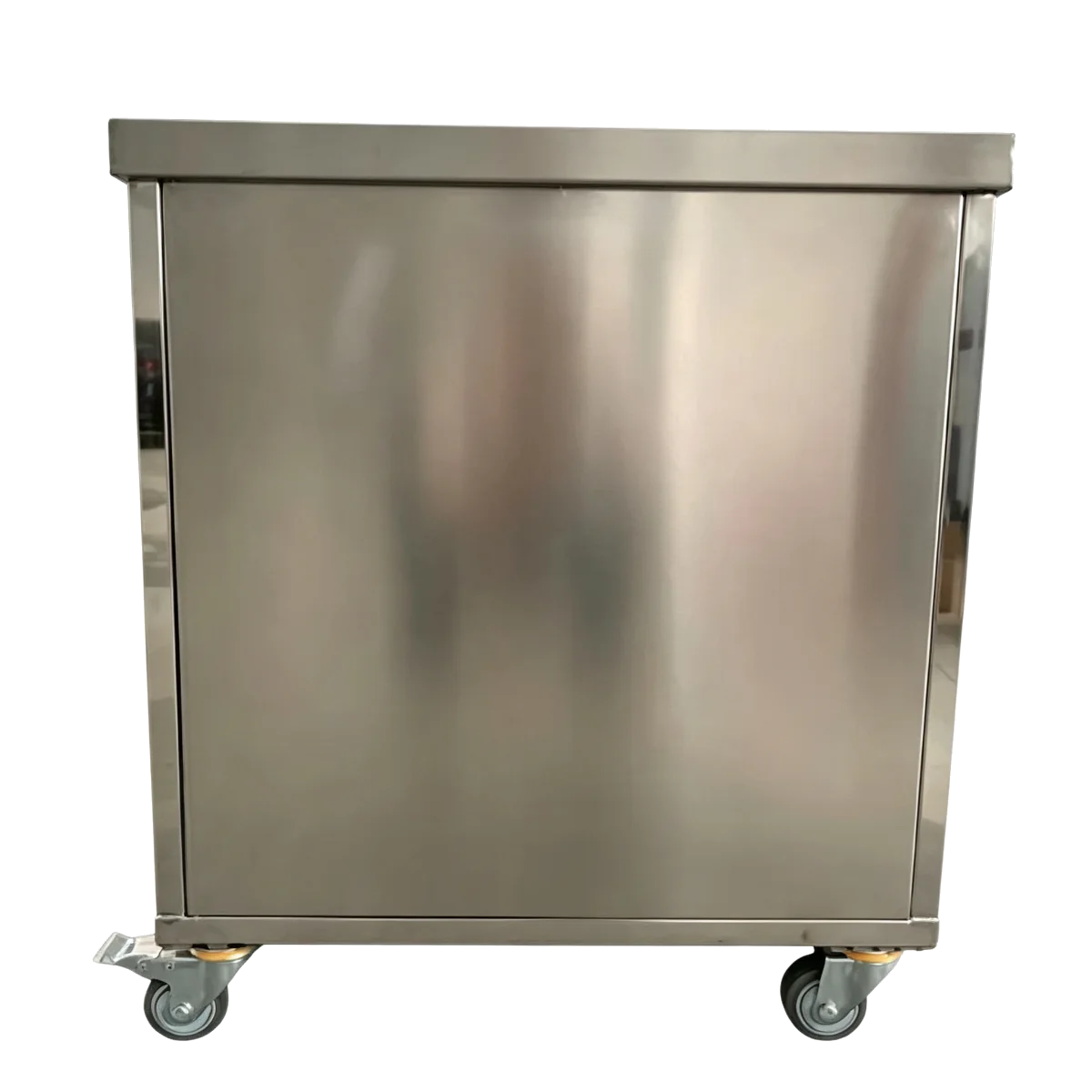
Industrial Single-Tank & Special Cleaners
Versatile heated single-tank ultrasonic parts cleaner for general industry
View configuration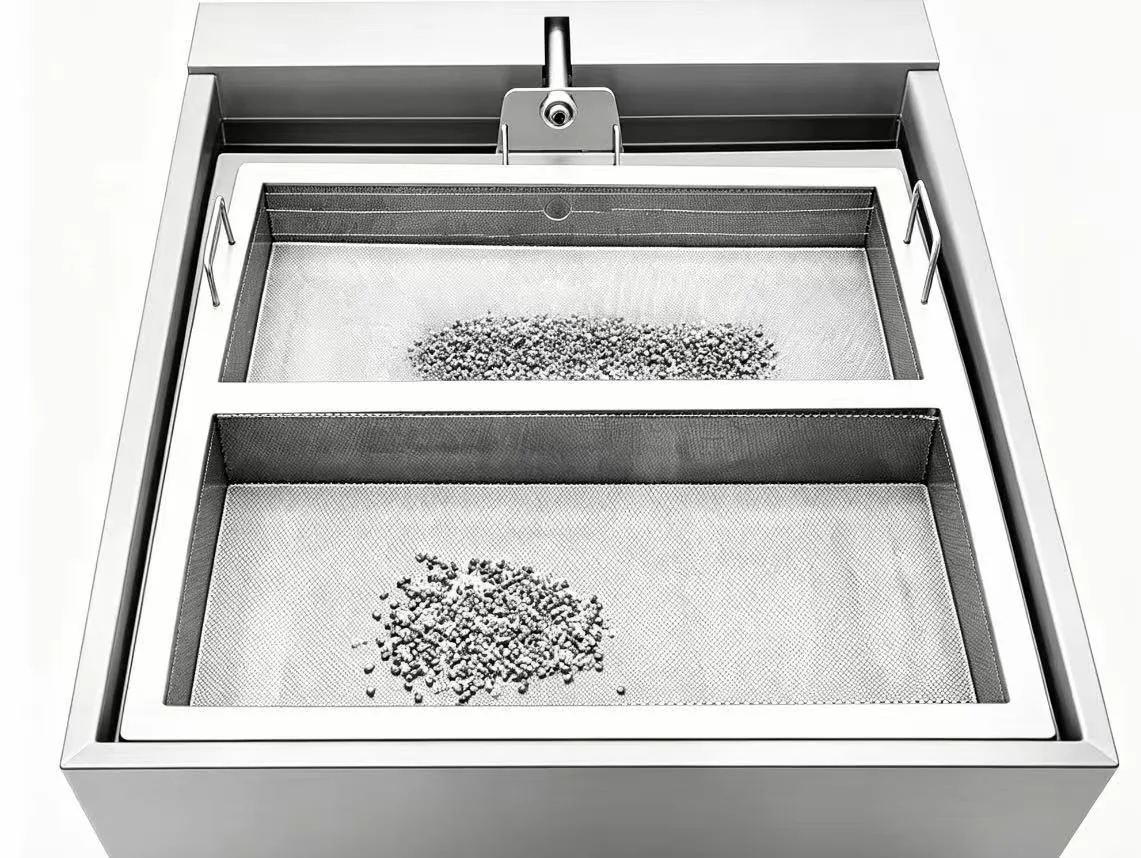
Industrial Single-Tank & Special Cleaners
Single-tank ultrasonic cleaning with circulating filtration and oil-water separation
View configurationSolution Questions
Yes. Heated cavitation with carbon-removal chemistry lifts soot and baked carbon from pistons, heads and valves; very hard carbon may need a pre-soak.
It varies with deposit hardness and part geometry; a validated trial cycle sets the production time.
With controlled chemistry and temperature, aluminum components can be cleaned safely; the process is validated for the alloy first.
Related Solutions
Cleaning Solution
Ultrasonic degreasing removes cutting, forming, quenching and preservative oils from metal parts using cavitation and controlled chemistry.
View solution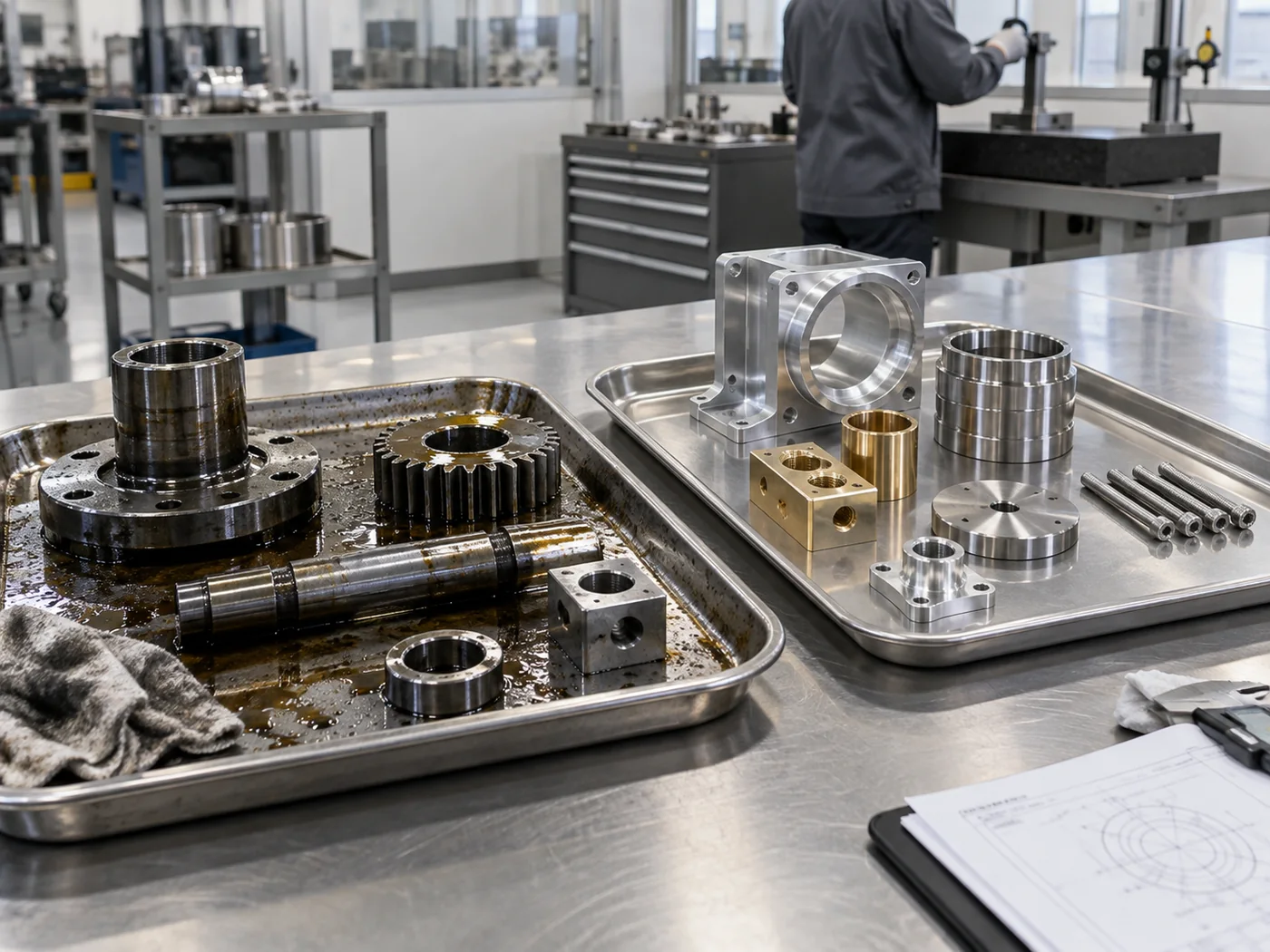
Cleaning Solution
Ultrasonic cleaning removes rust, scale and oxide films using controlled chemistry and cavitation, then rinses and protects the surface.
View solution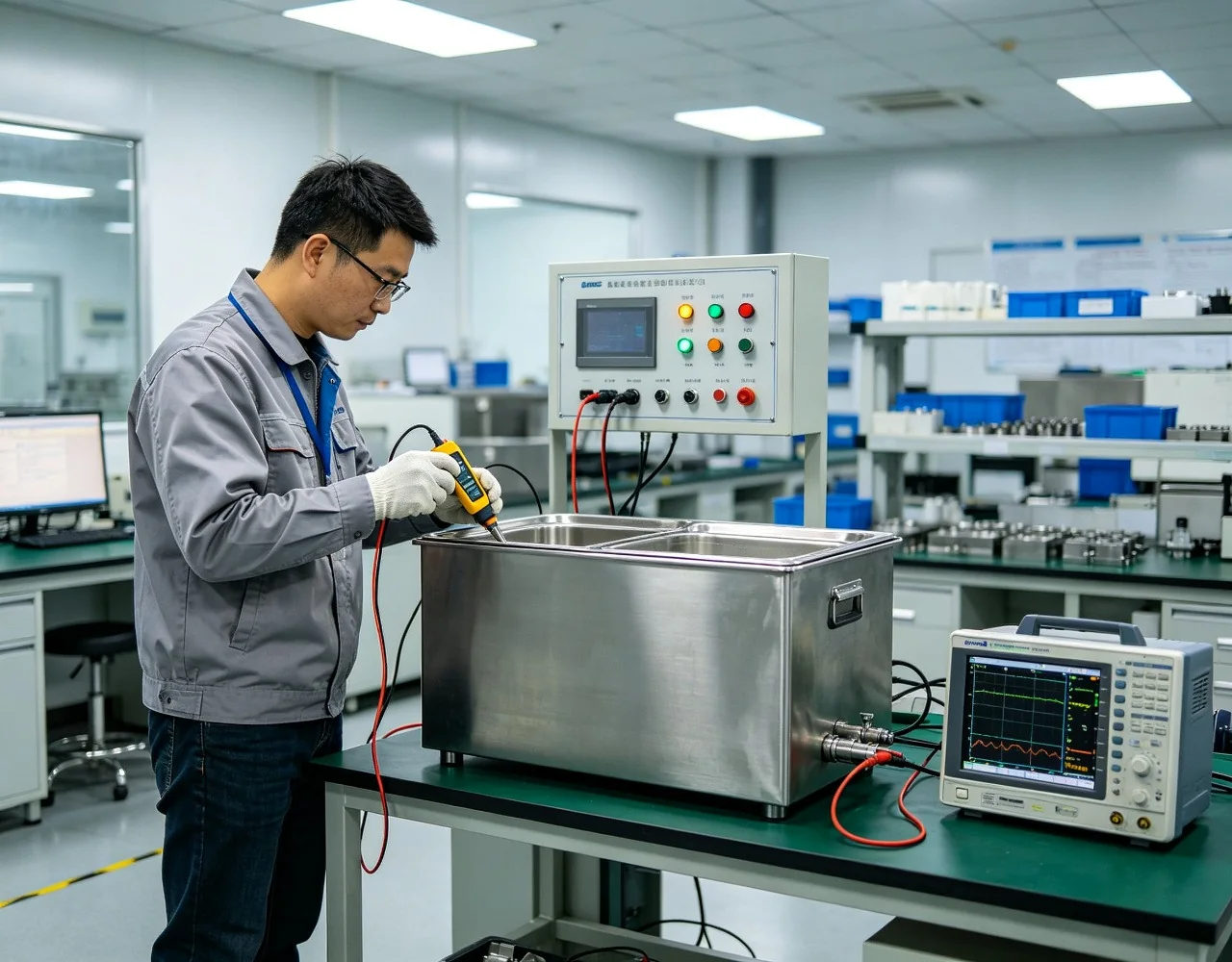
Cleaning Solution
A part may look clean while fine particles, ionic residue or light films remain. Precision cleaning needs a measurable target and controlled final stages.
View solution