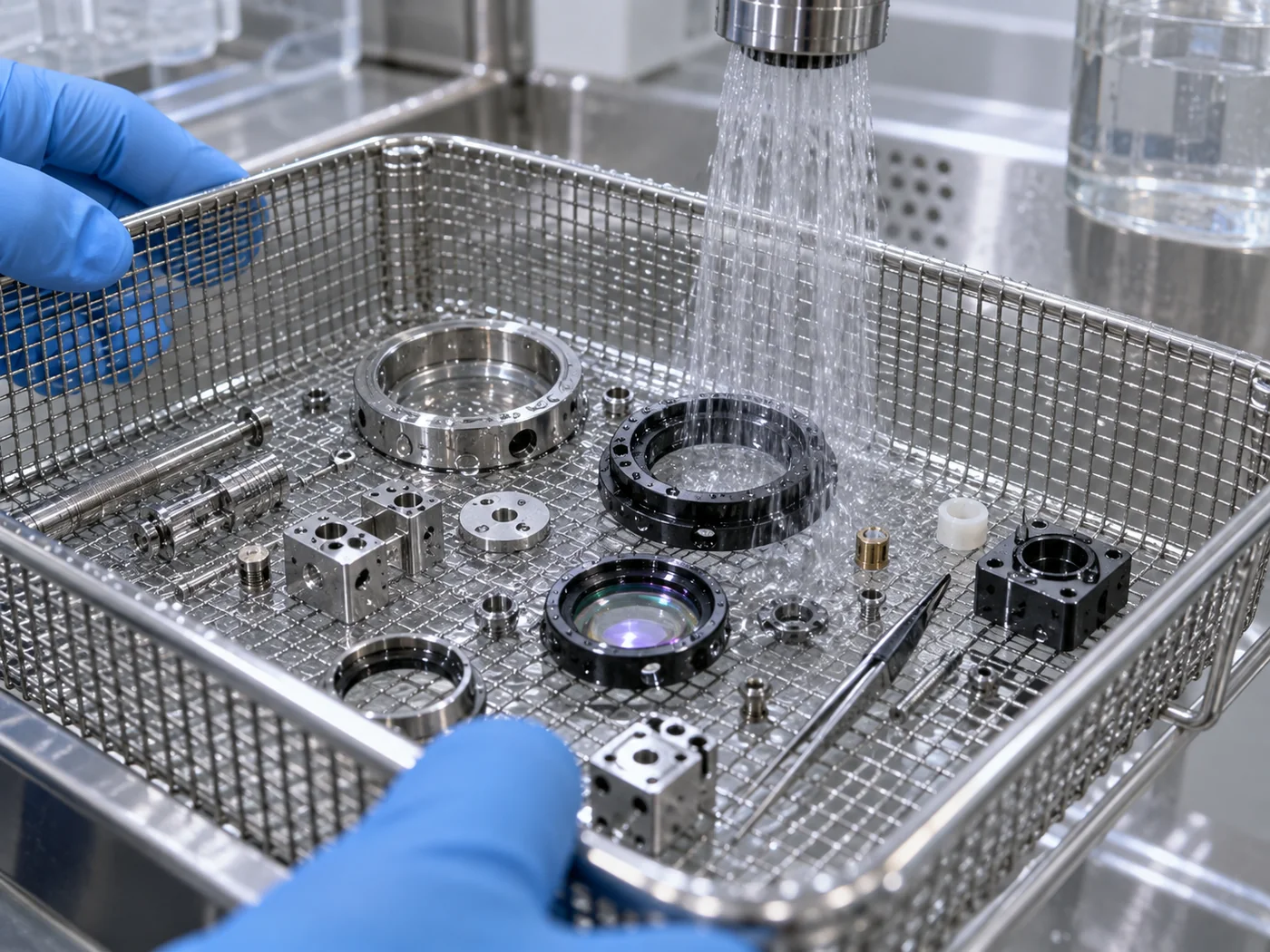
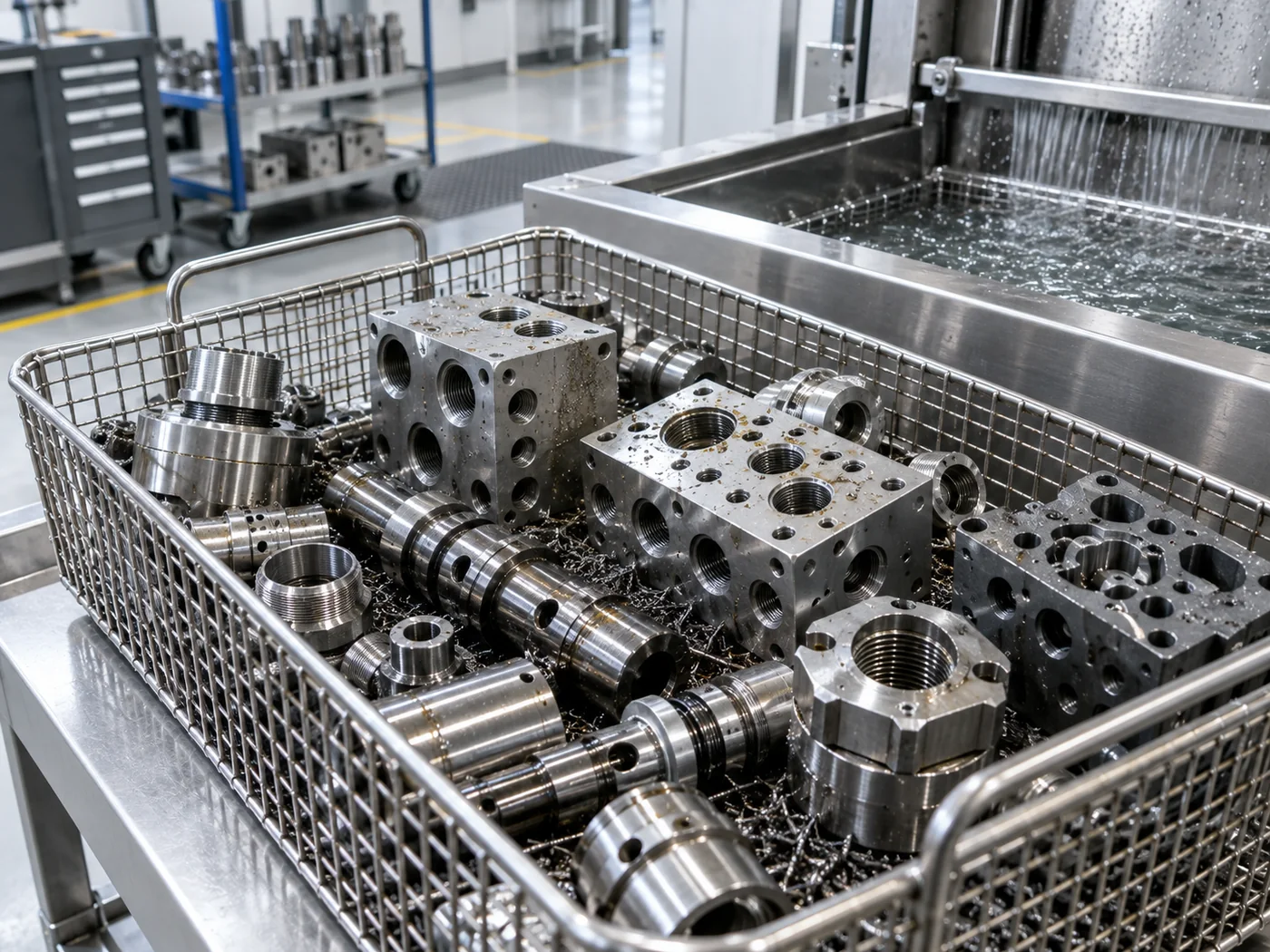
3D printed parts in a cleaning basket

LENJEX Industrial Cleaning

3D Printed Parts Ultrasonic Cleaning

Removes residual resin, support material, powder and processing media from printed parts, including lattice and internal structures.

Why Ultrasonic

Ultrasonic cleaning for 3D Printed Parts

Additively manufactured parts often hold uncured resin, support material, loose powder or processing media inside lattice structures, channels and cavities. Ultrasonic cavitation flushes these trapped materials from complex printed geometries that rinsing alone cannot clear.

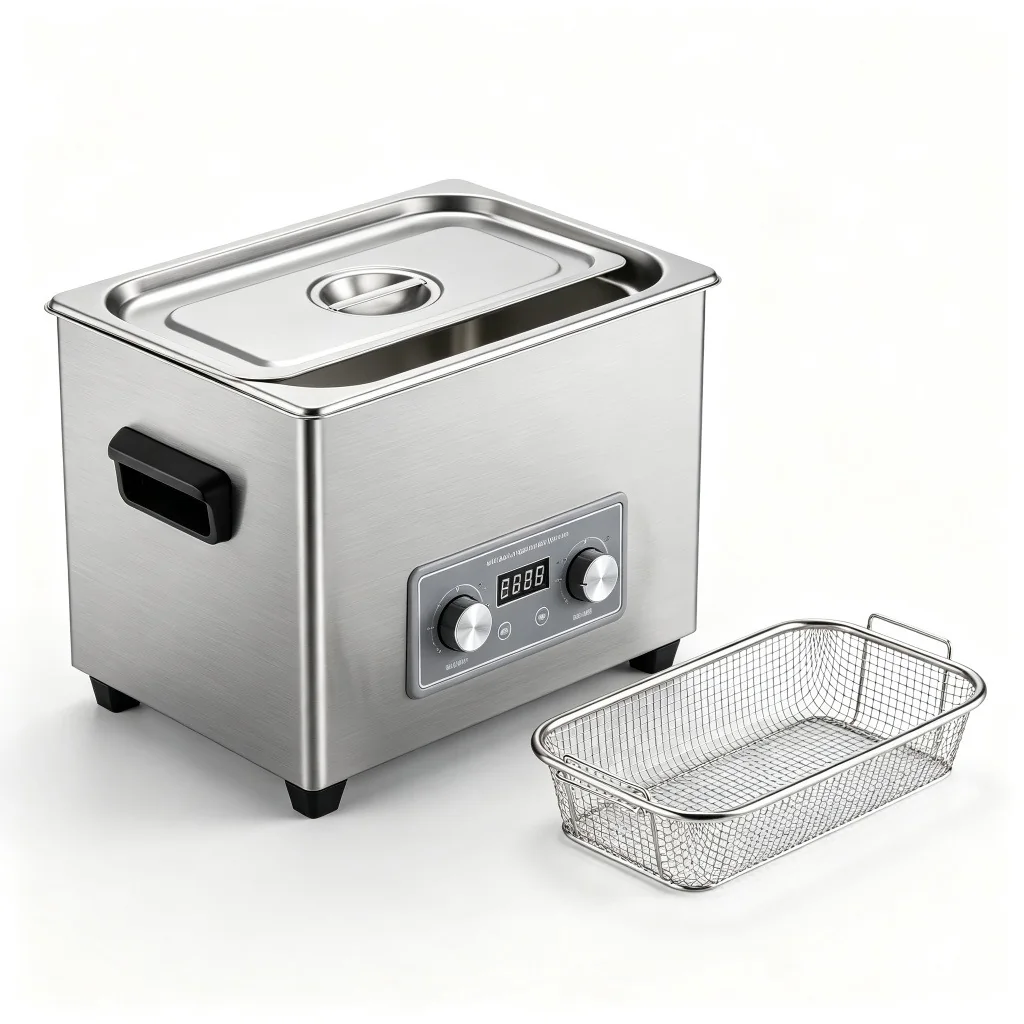
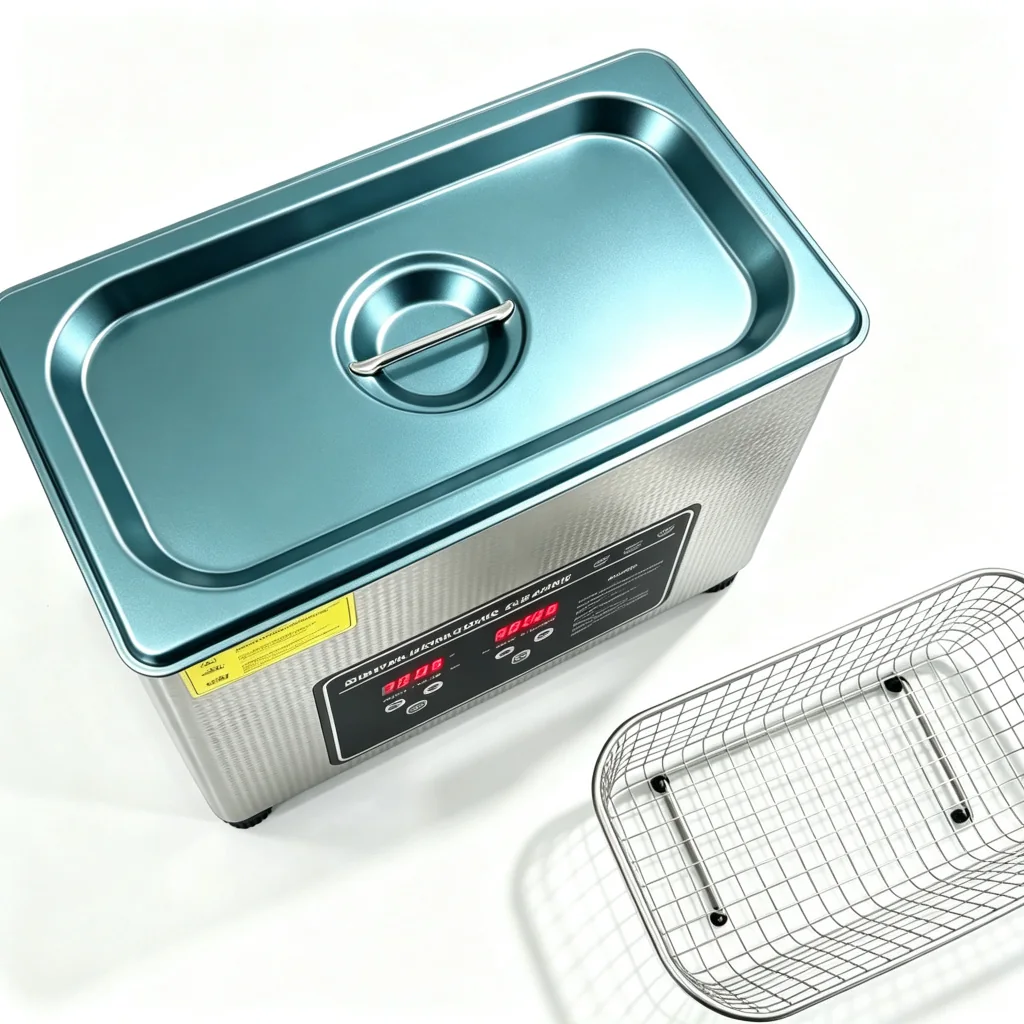
A small benchtop cleaner or compact series handles most printed parts, with compatible solvent or water-based media selected for the material. The choice is reviewed alongside the solvent cleaning solution.

Material compatibility, media and post-processing steps must be confirmed, because printed polymers and some media can be sensitive.

Additively manufactured components
  • Flushes trapped resin and powder from lattices
  • Reaches internal channels and cavities
  • Removes support and processing media
  • Compact benchtop machines suit low volumes
  • More consistent than hand rinsing

Typical Workpieces

Parts in this application

  • Resin-printed parts
  • Polymer and nylon printed parts
  • Lattice and lightweight structures
  • Parts with internal channels
  • Metal printed parts (post process)
  • Prototypes and small production runs

Contamination

Soils to evaluate

  • Uncured resin
  • Loose powder
  • Support and wax material
  • Processing and soluble media
  • Fingerprints and handling oils
  • Cleaning residues
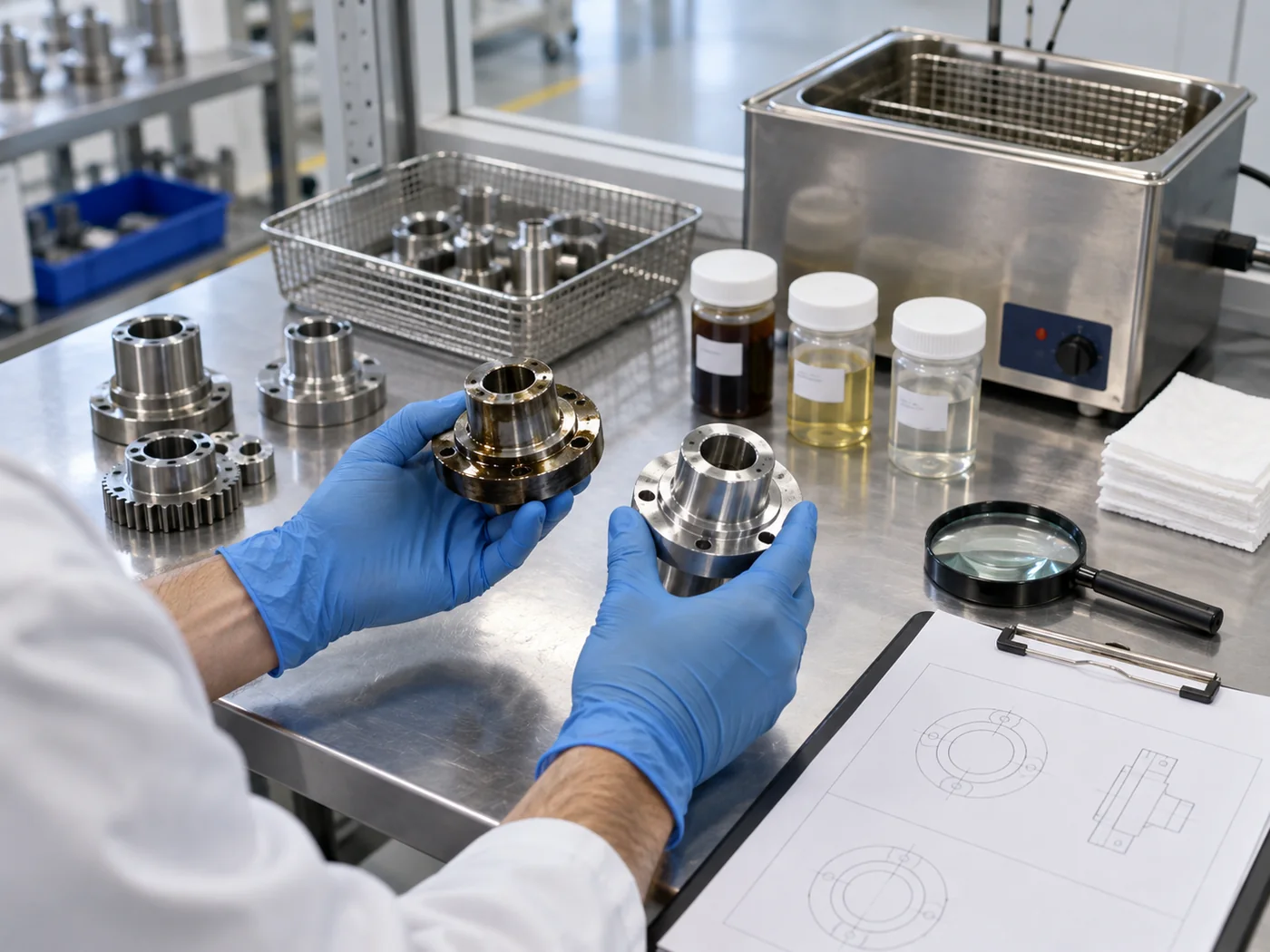
Inspection of printed parts

Cleanliness Target

Define clean before choosing equipment

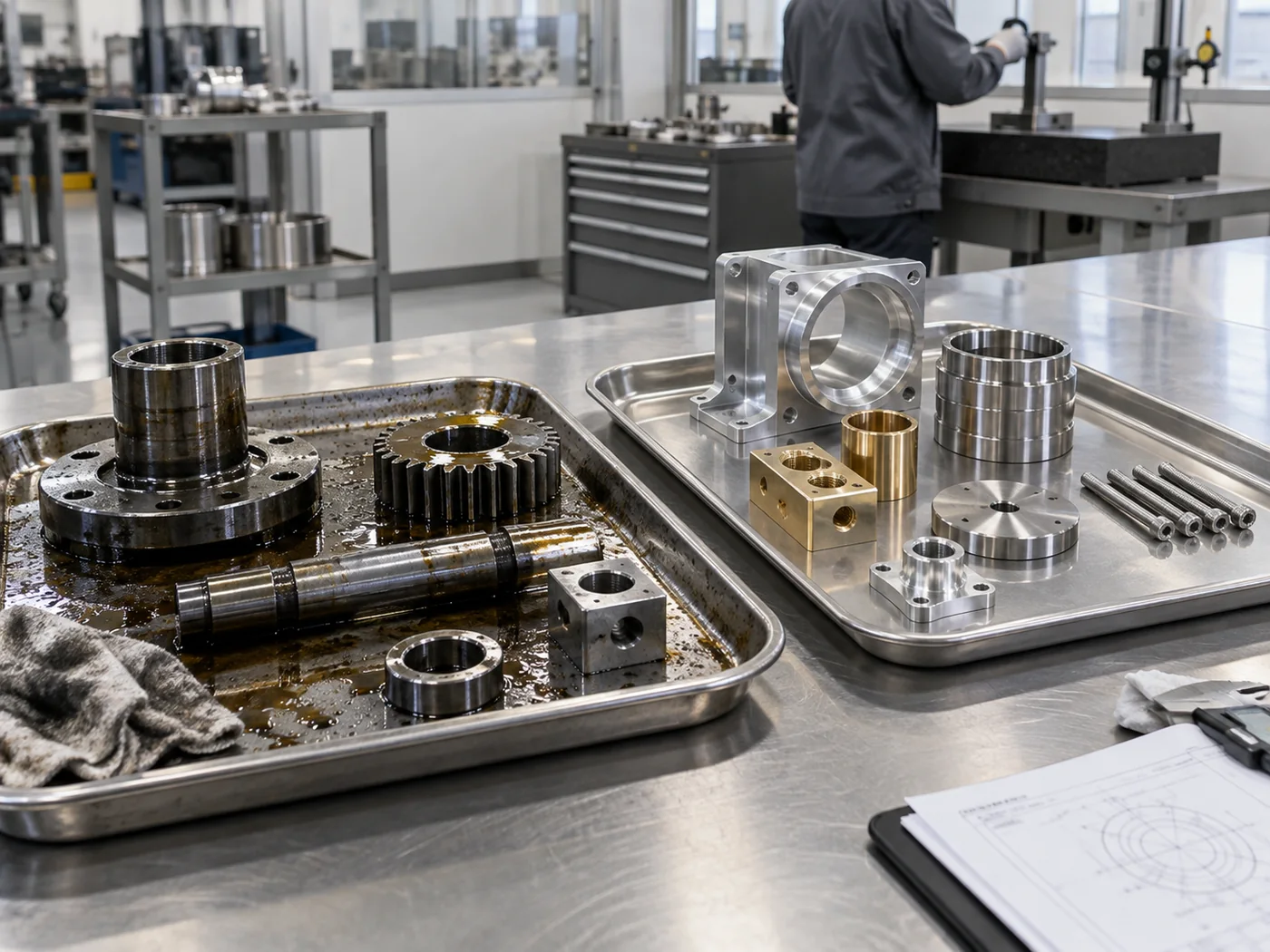
Acceptance is based on visual inspection for residual resin, powder or media in lattices and channels.

Drying and any curing or post-processing follow the material guidance.

Recommended Sequence

A process route for evaluation

The final sequence depends on soil loading, material, rinse quality and drying behavior.

  1. Step 1Pre-rinse to remove loose material
  2. Step 2Ultrasonic clean with compatible media
  3. Step 3Rinse to flush cavities and channels
  4. Step 4Dry before curing or post-processing
  5. VerifyInspect lattices and internal features

Recommended Equipment

Systems to compare

The final specification follows process testing and production analysis.

Process Controls

Control the variables that change the cleaning result

Confirm the part, soil, loading and final handling before fixing equipment settings.

Control 01

Material and geometry

Record surfaces, cavities and features that can trap air or liquid.

Control 02

Soil condition

Test the heaviest representative contamination, not an ideal sample.

Control 03

Basket loading

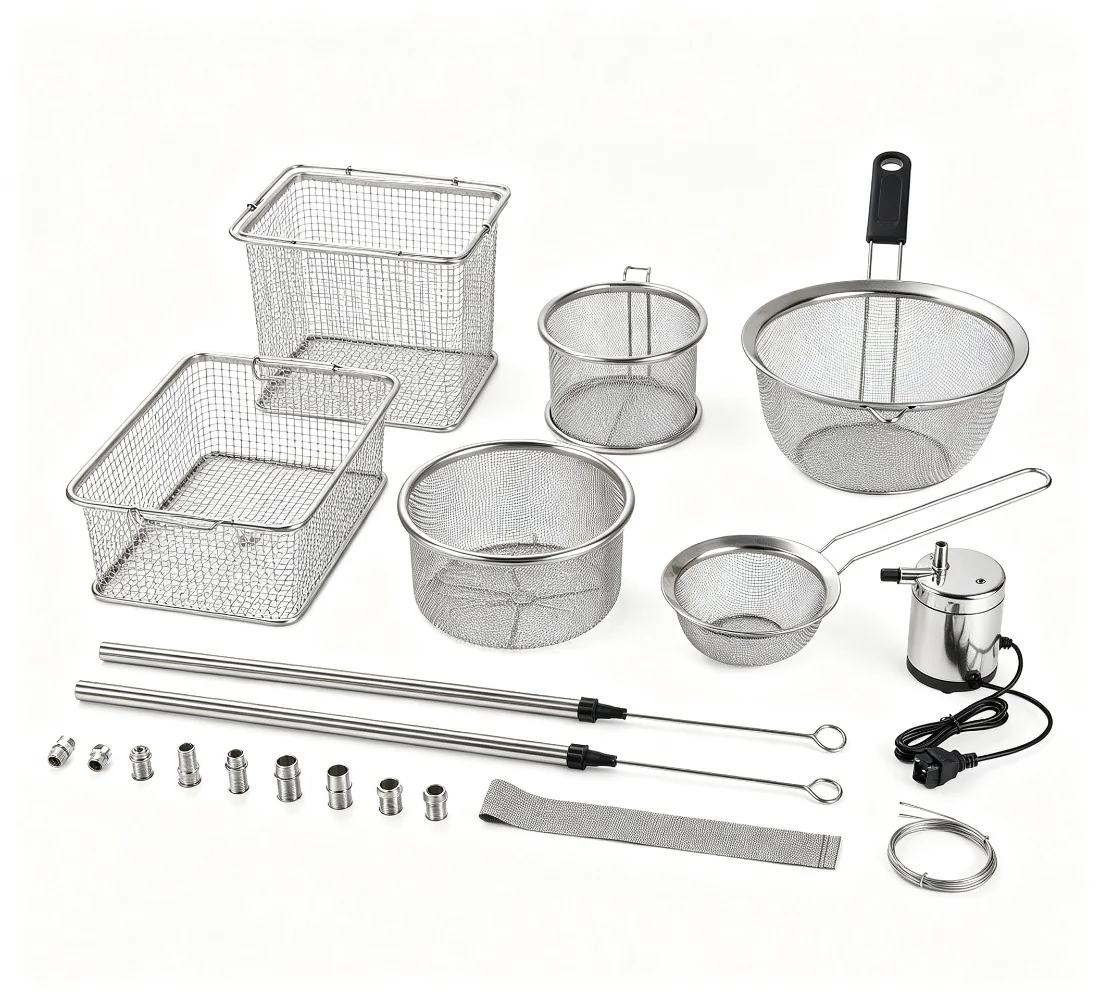
Keep acoustic access and part spacing consistent with production.

Control 04

Rinse and drying

Match downstream handling to residue and corrosion risks.

System Selection

Match the cleaning route to production flow

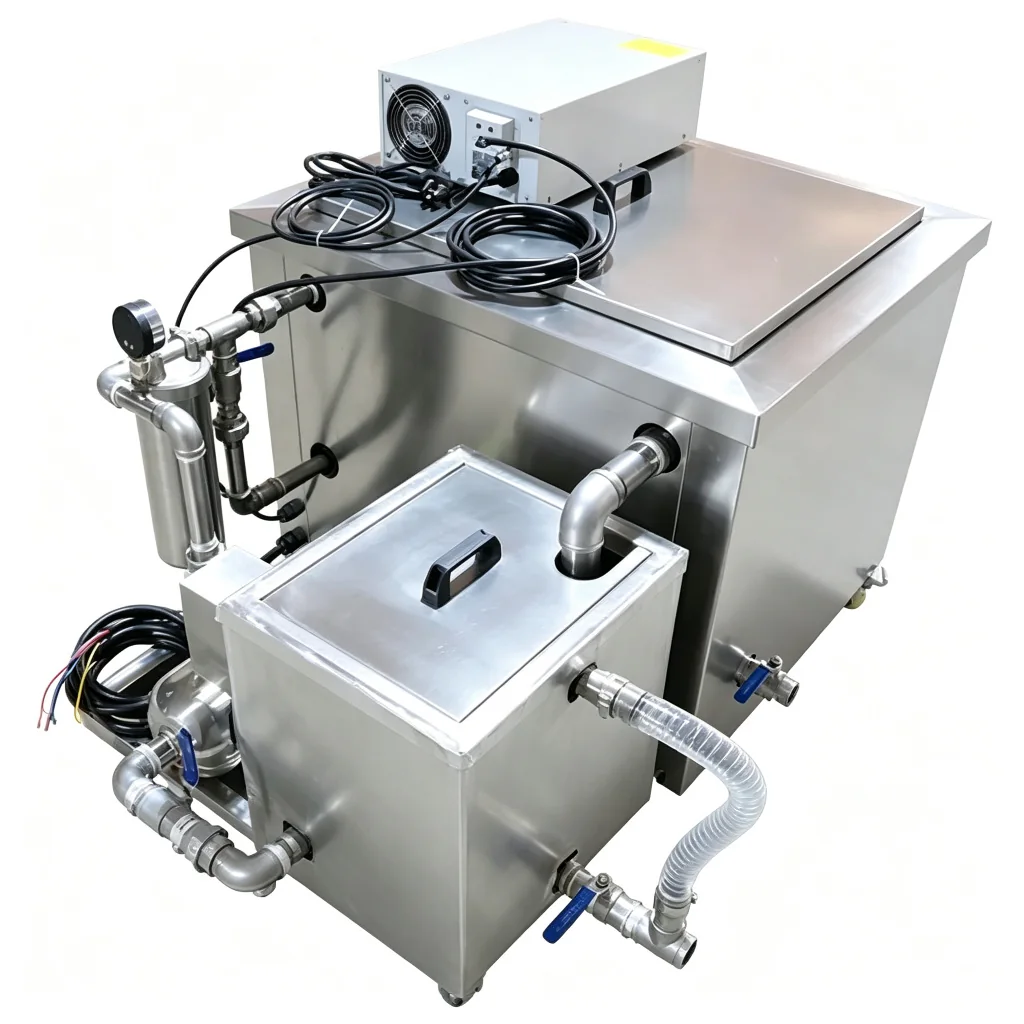
Stage count and automation follow the validated process and required output.

Batch

Single-tank route

Compare for focused washing where rinsing and drying are managed separately.

Multi-stage

Wash, rinse and dry

Add controlled stages when carryover and final condition matter.

Automatic

Repeatable transfer

Evaluate automation when output, handling or recipe control requires it.

Acceptance

Define how the cleaned part will be checked

Use the same practical inspection method for trial samples and production parts.

  • Agree the surface or residue limit
  • Check hidden and difficult features
  • Record rinse, drying and handling conditions
  • Compare results before the next operation

Representative Trial

Confirm the process with real parts and loads

Trial evidence should cover normal production and the most difficult expected condition.

  1. DescribePart, material and contamination.
  2. LoadUse realistic spacing and orientation.
  3. TestRecord chemistry, time and temperature.
  4. VerifyInspect with the agreed method.

Application Questions

Planning the cleaning study

Related Applications

Explore adjacent workpieces