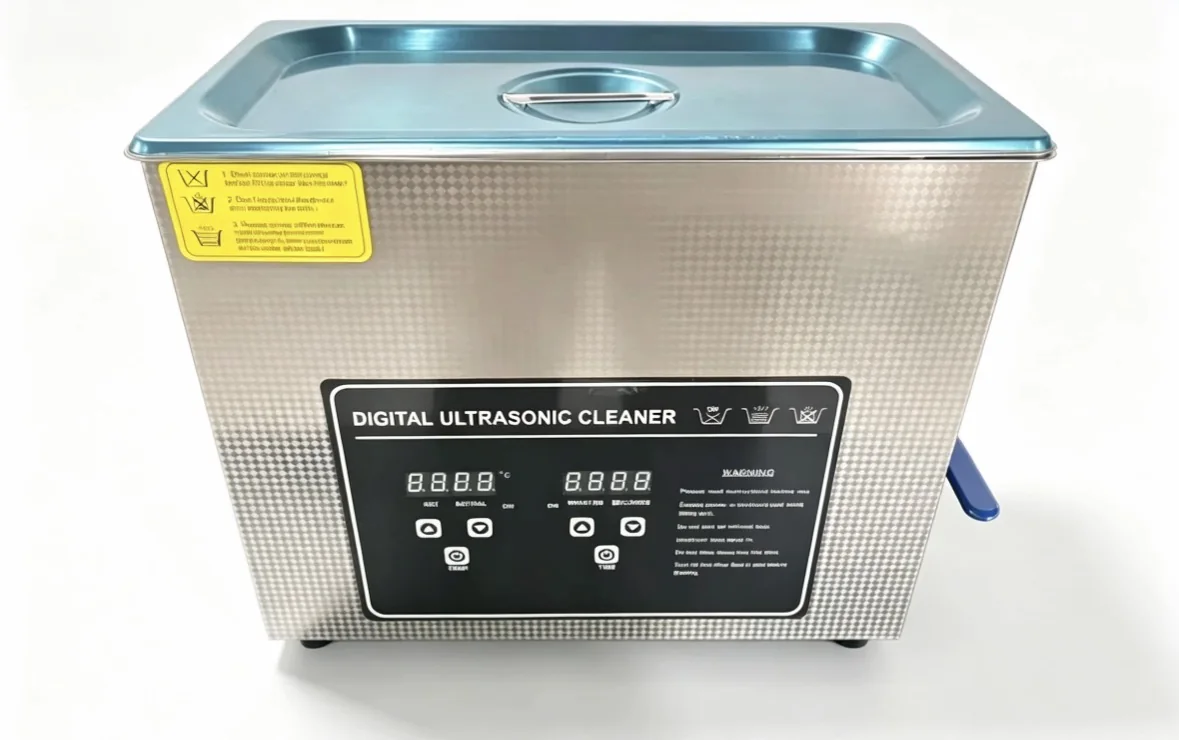
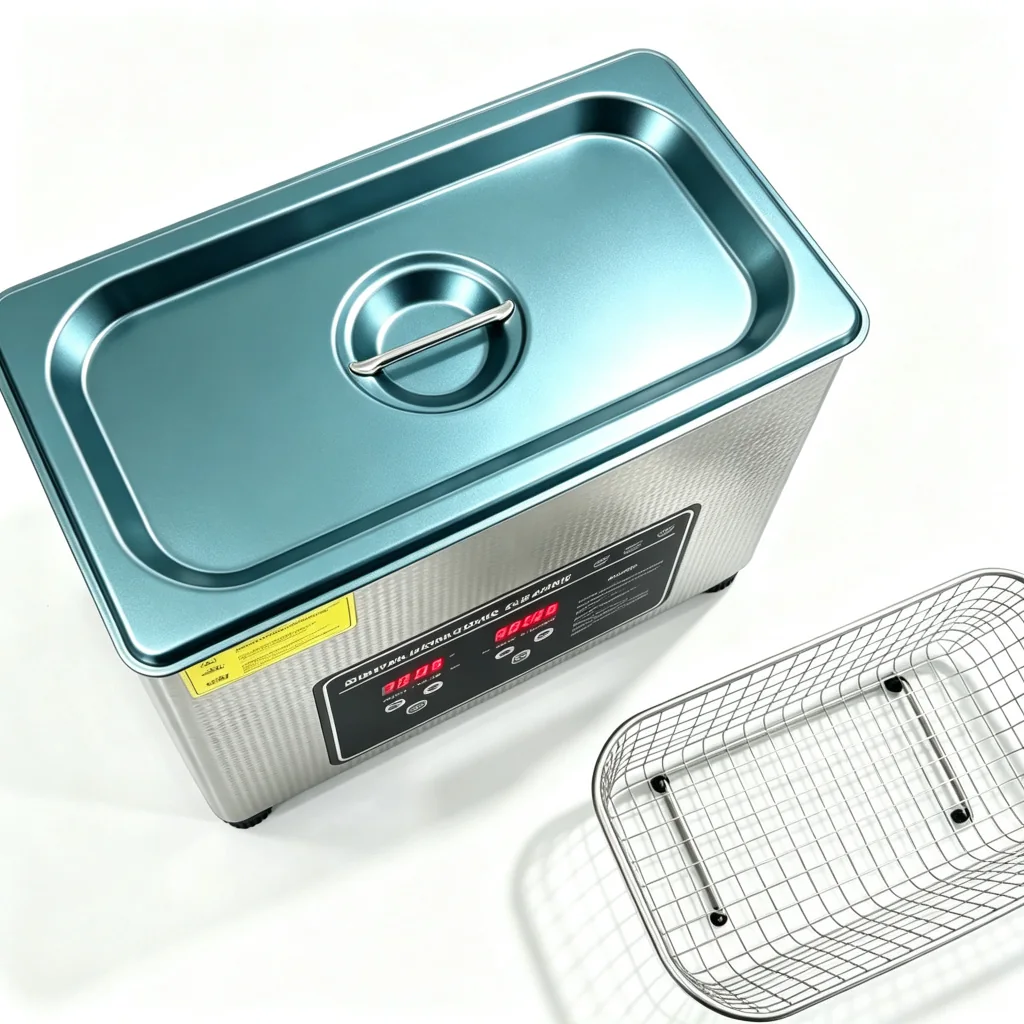
Digital benchtop cleaner for electronics

LENJEX Industrial Cleaning

Electronics & PCB Ultrasonic Cleaning

Ultrasonic cleaning removes flux, rosin and ionic residues from printed circuit boards and electronic assemblies, with controlled frequency and compatible chemistry.

Why Ultrasonic

Ultrasonic cleaning for Electronics & PCB

After soldering, circuit boards can carry flux, rosin, ionic residues and particulates that affect reliability and conformal coating. Ultrasonic cleaning reaches under components and between leads to remove these residues consistently.

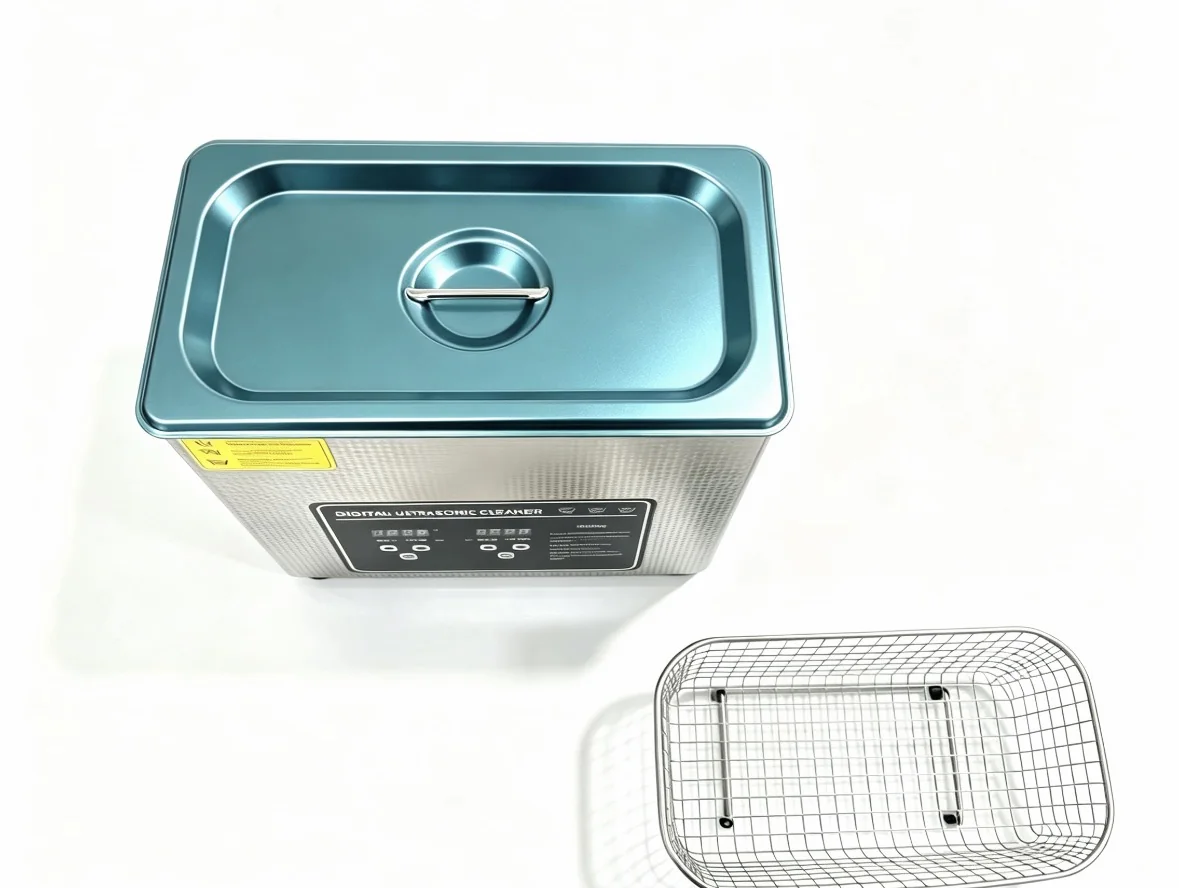
Because electronics can be sensitive, frequency and energy are controlled, with a compatible de-flux cleaning solution. The digital benchtop cleaner, laboratory cleaner and, for non-aqueous work, vacuum solvent cleaner are commonly reviewed. See the flux and rosin removal solution.

Compatibility with the specific board, components and any sensitive parts must be confirmed before production cleaning.

Small benchtop cleaner for electronic assemblies
  • Removes flux and rosin under components
  • Clears ionic residues that affect reliability
  • Prepares a clean surface for conformal coating
  • Reaches dense leads and narrow spacing
  • Repeatable cycles for small-batch production

Typical Workpieces

Parts in this application

  • Printed circuit boards (PCBs)
  • Soldered electronic assemblies
  • Connectors and contact components
  • SMT and through-hole boards
  • Metal electronic housings and shielding
  • Ceramic and small electronic parts

Contamination

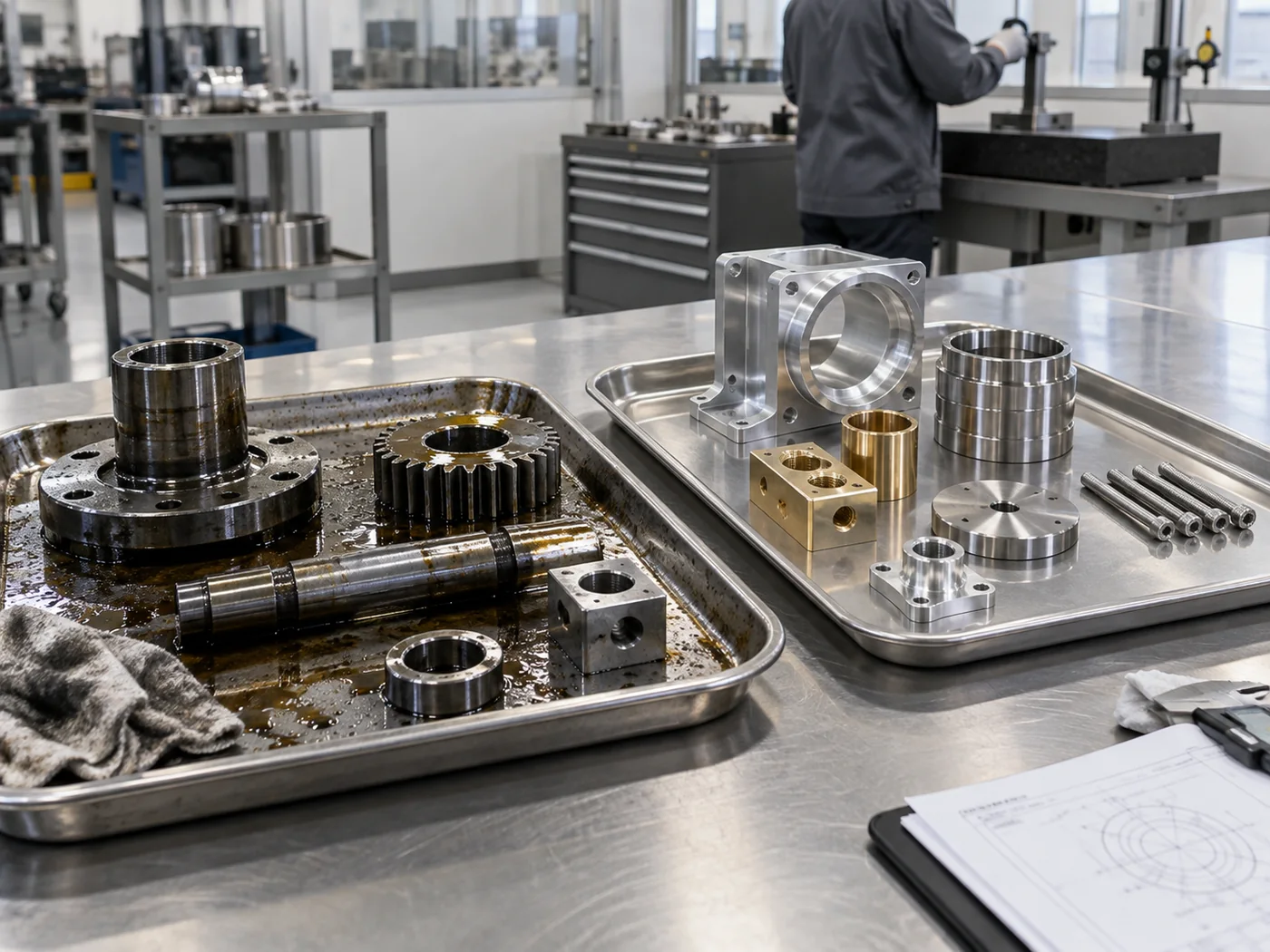
Soils to evaluate

  • Flux and rosin residues
  • Ionic and conductive contamination
  • Soldering particles and debris
  • Fingerprints and handling oils
  • Dust and particulates
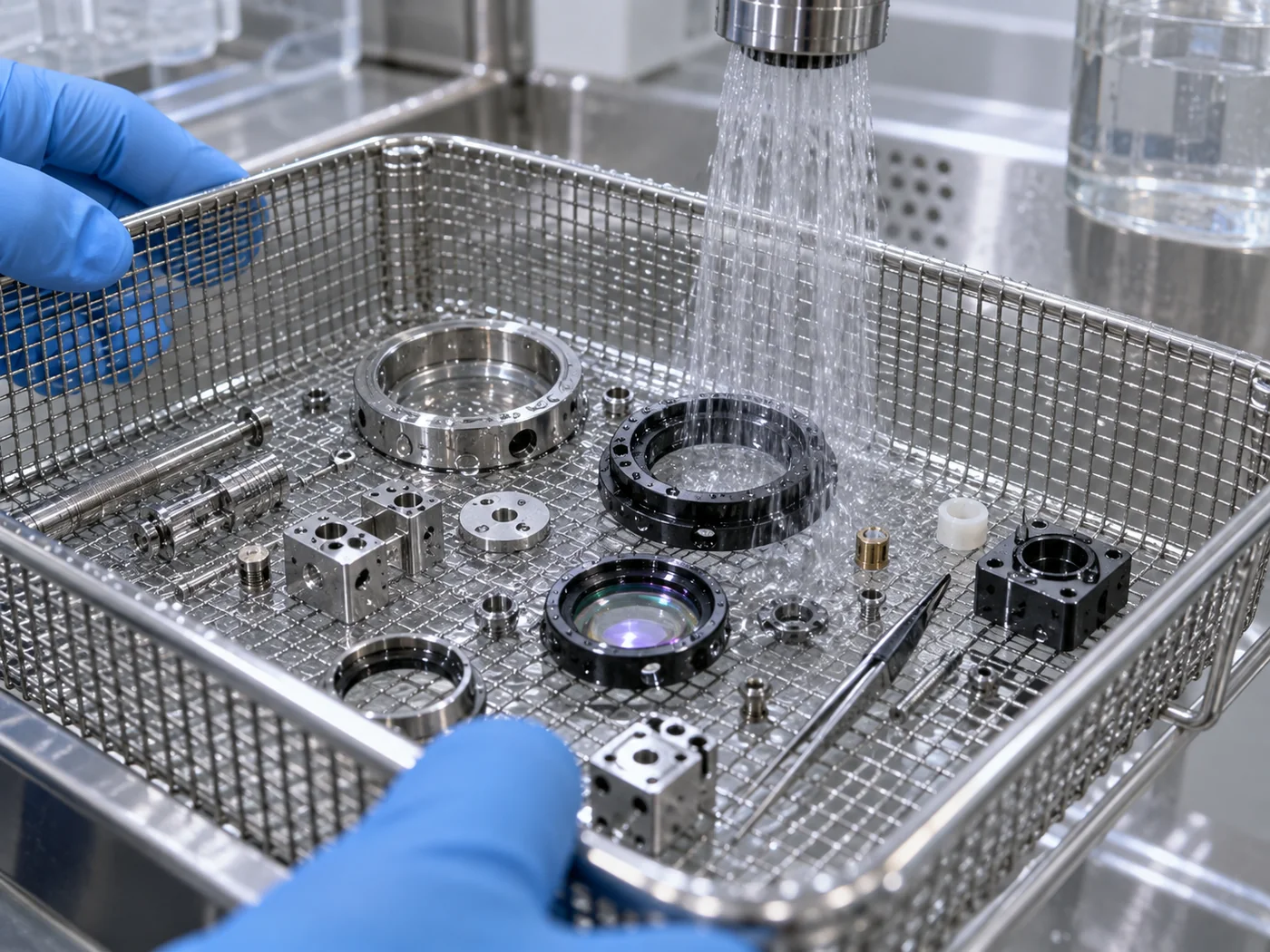
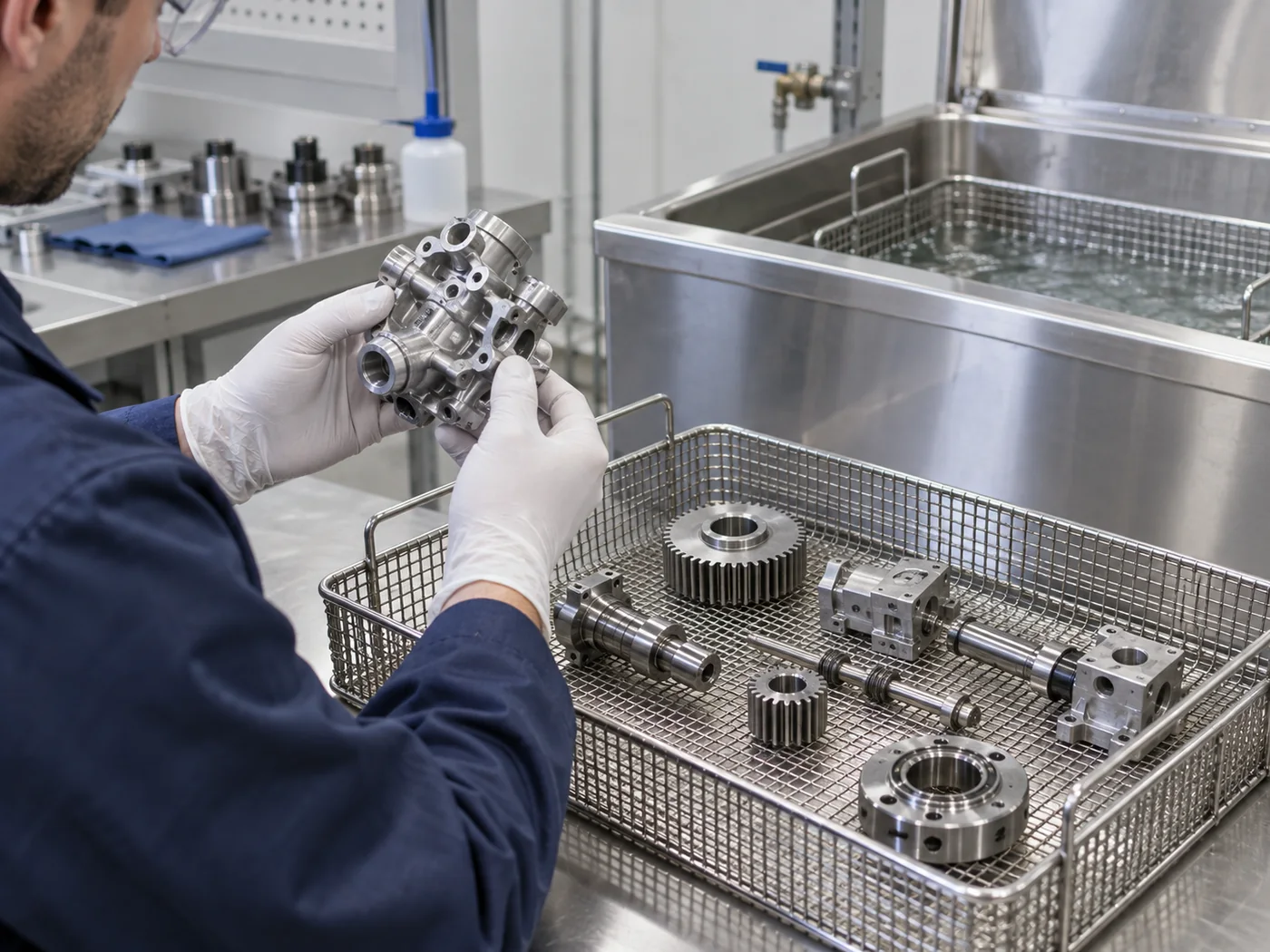
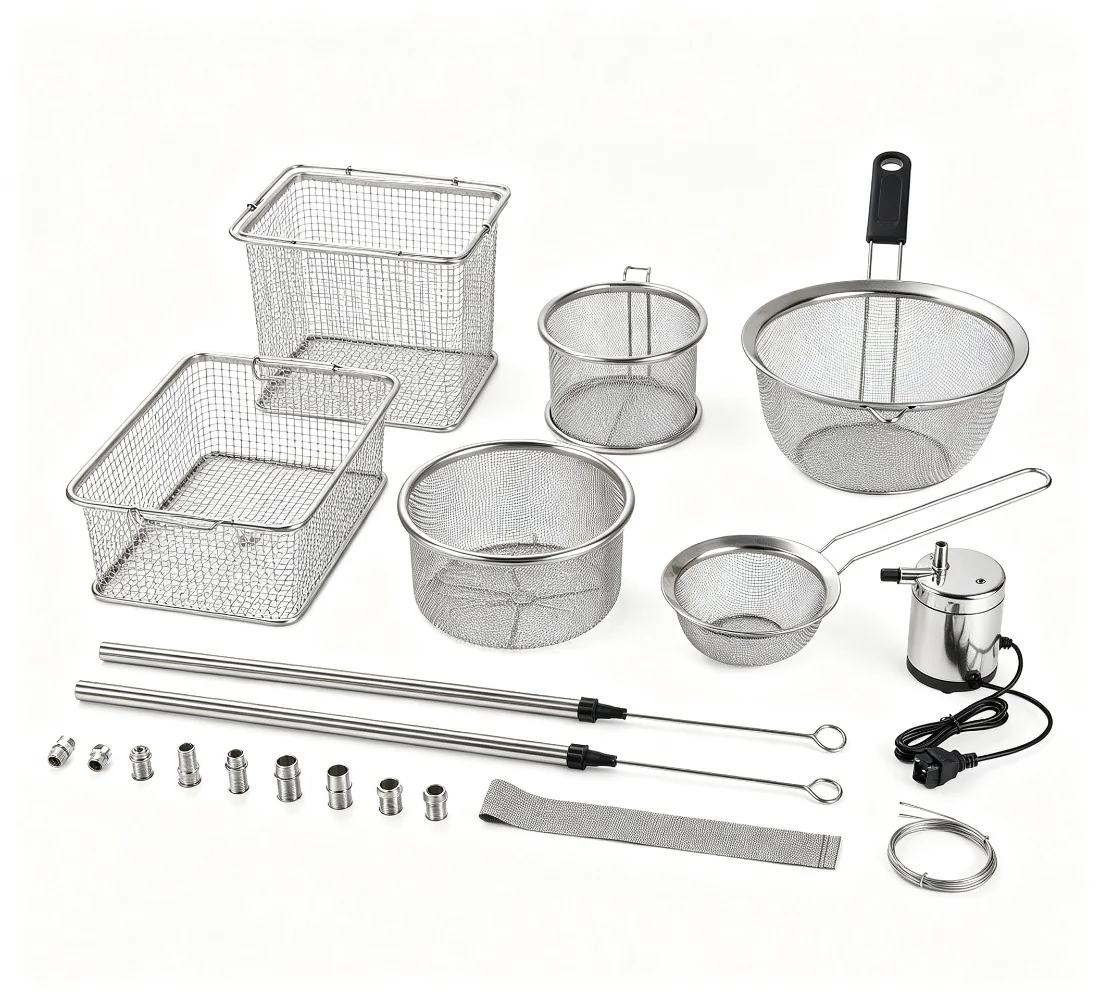
Cleaning small parts and accessories

Cleanliness Target

Define clean before choosing equipment

Acceptance is based on visible residue, ionic cleanliness or surface-inspection results, depending on the product and coating requirements.

Drying must be complete to avoid trapped moisture under components.

Recommended Sequence

A process route for evaluation

The final sequence depends on soil loading, material, rinse quality and drying behavior.

  1. Step 1Select compatible chemistry and frequency
  2. Step 2Ultrasonic wash to remove flux and rosin
  3. Step 3Rinse with compatible media
  4. Step 4Dry thoroughly, including under components
  5. VerifyCheck residue and ionic cleanliness

Recommended Equipment

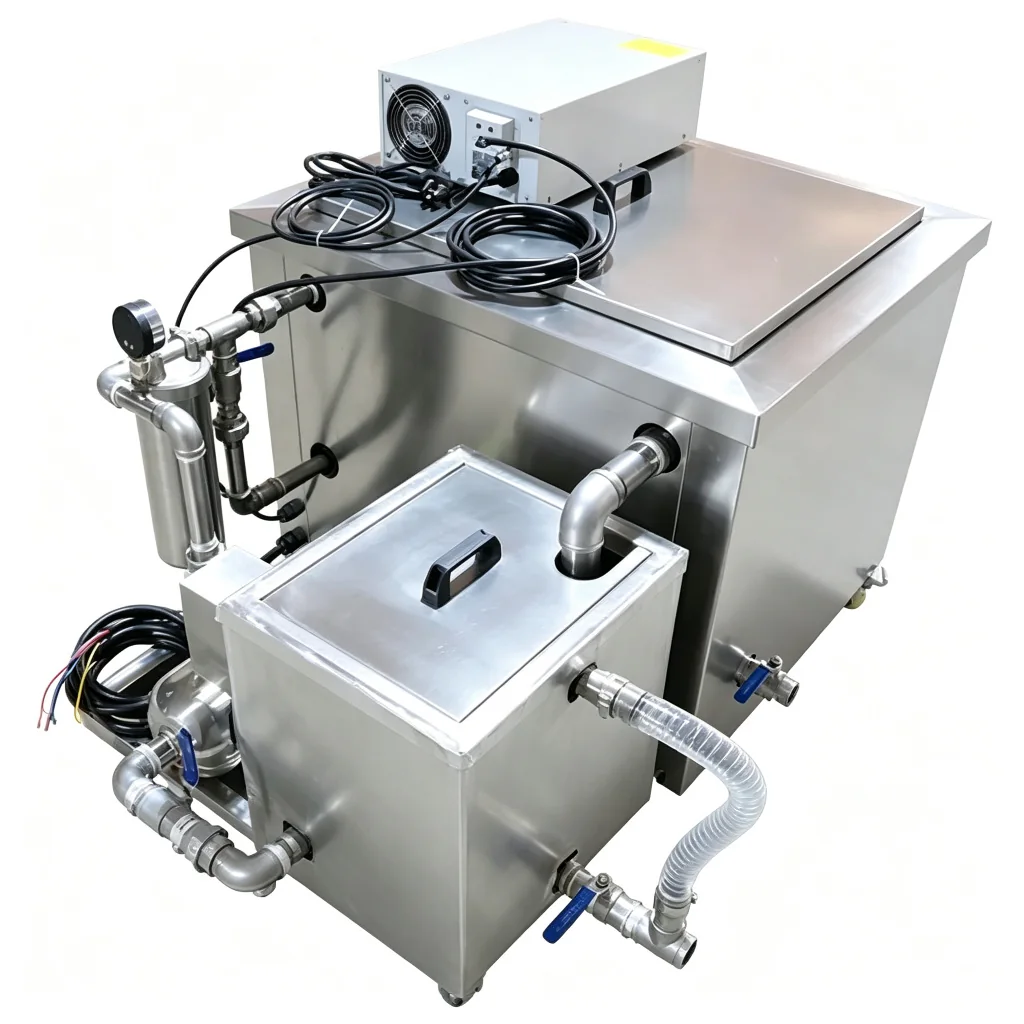
Systems to compare

The final specification follows process testing and production analysis.

Process Controls

Control the variables that change the cleaning result

Confirm the part, soil, loading and final handling before fixing equipment settings.

Control 01

Material and geometry

Record surfaces, cavities and features that can trap air or liquid.

Control 02

Soil condition

Test the heaviest representative contamination, not an ideal sample.

Control 03

Basket loading

Keep acoustic access and part spacing consistent with production.

Control 04

Rinse and drying

Match downstream handling to residue and corrosion risks.

System Selection

Match the cleaning route to production flow

Stage count and automation follow the validated process and required output.

Batch

Single-tank route

Compare for focused washing where rinsing and drying are managed separately.

Multi-stage

Wash, rinse and dry

Add controlled stages when carryover and final condition matter.

Automatic

Repeatable transfer

Evaluate automation when output, handling or recipe control requires it.

Acceptance

Define how the cleaned part will be checked

Use the same practical inspection method for trial samples and production parts.

  • Agree the surface or residue limit
  • Check hidden and difficult features
  • Record rinse, drying and handling conditions
  • Compare results before the next operation

Representative Trial

Confirm the process with real parts and loads

Trial evidence should cover normal production and the most difficult expected condition.

  1. DescribePart, material and contamination.
  2. LoadUse realistic spacing and orientation.
  3. TestRecord chemistry, time and temperature.
  4. VerifyInspect with the agreed method.

Application Questions

Planning the cleaning study

Related Applications

Explore adjacent workpieces