
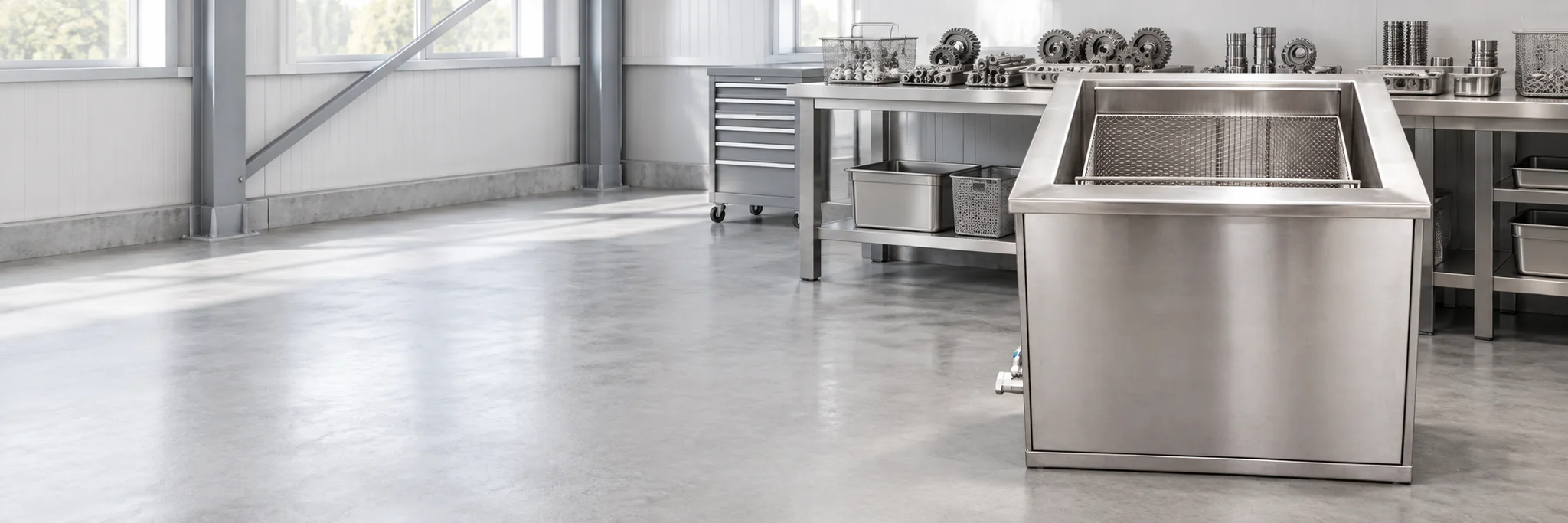
Industrial Ultrasonic Cleaning
Deep ultrasonic cleaning power.
Fast. Clean. Efficient. Results you can see in minutes.
Industrial Ultrasonic Cleaning
Fast. Clean. Efficient. Results you can see in minutes.
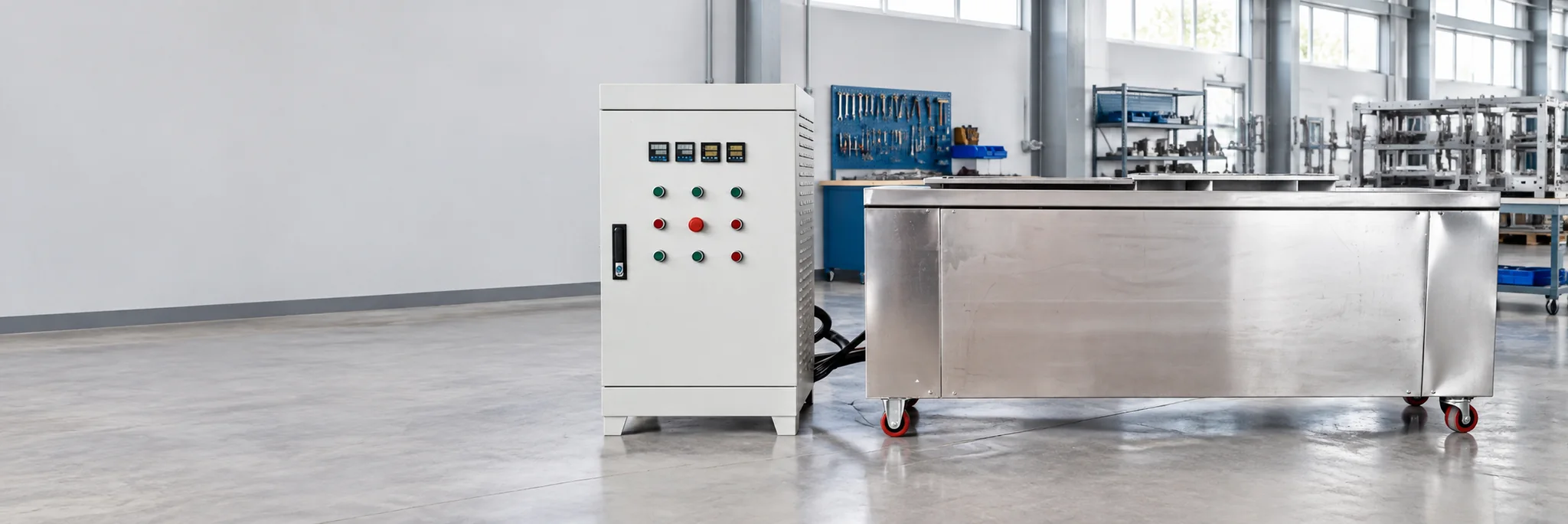
Factory-Direct Manufacturing
Competitive pricing, premium quality. More value for your business.
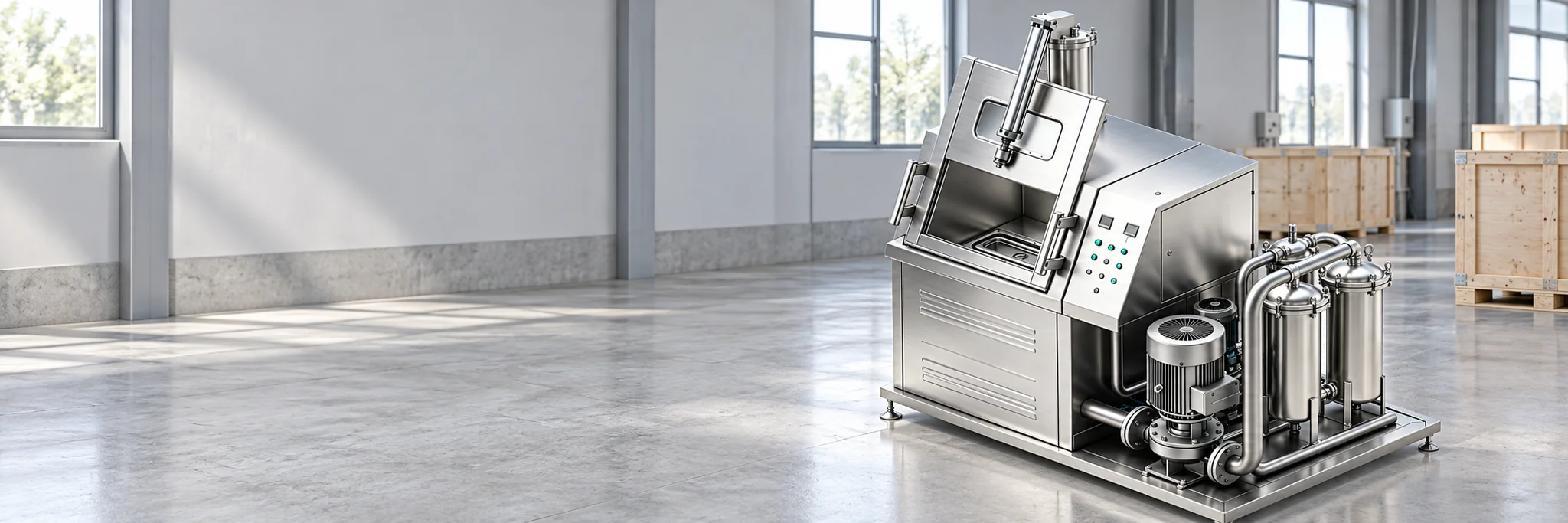
Custom OEM Solutions
Custom OEM solutions available. Professional support, always.
Equipment Configurations
Compare automatic lines, multi-stage systems, industrial single-tank cleaners, compact units and matched ultrasonic components by process demand and production flow.
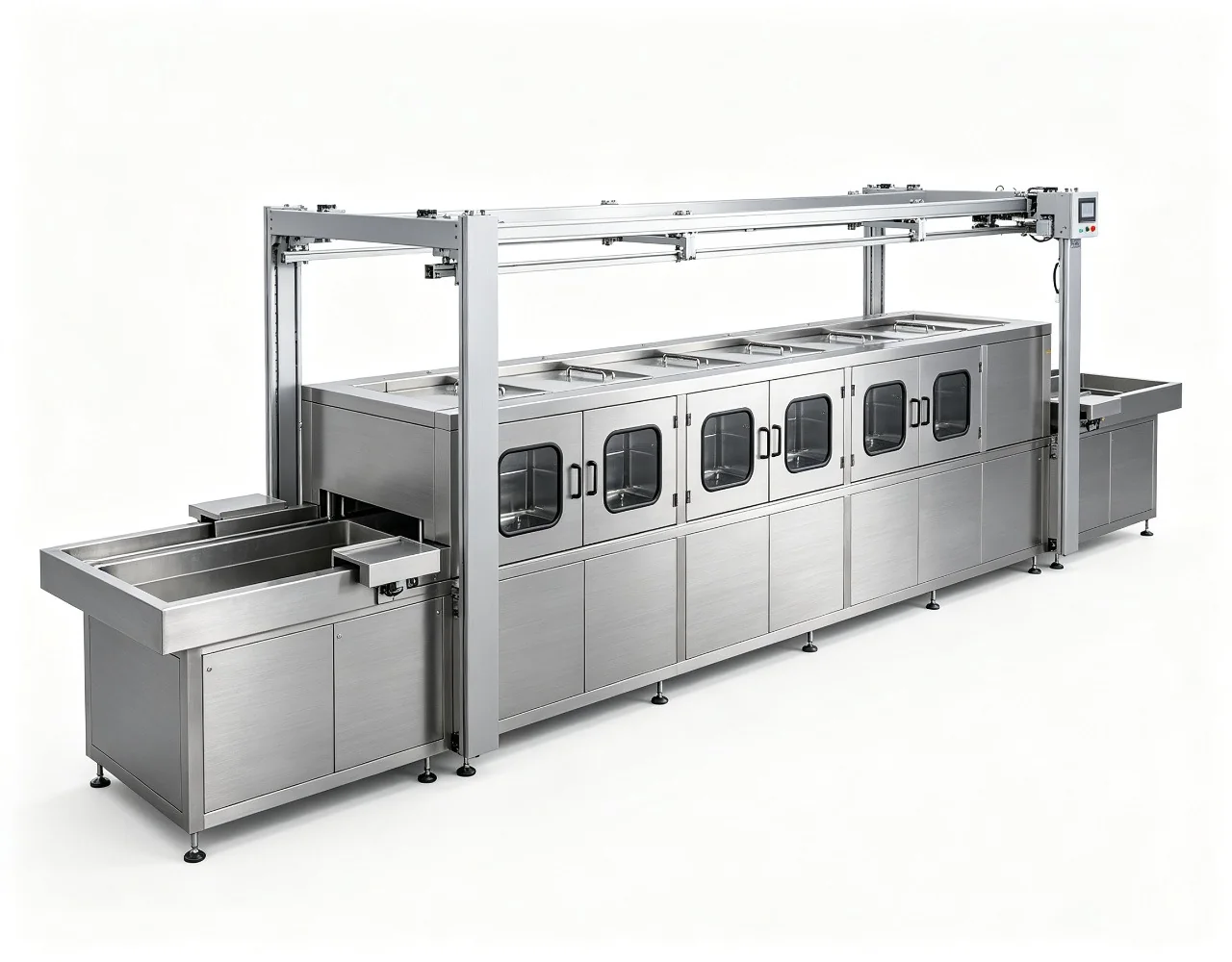
Automatic Cleaning Lines
A PLC-controlled gantry line that automatically lifts, transfers, oscillates and optionally rotates baskets through 3-12 process stations.
View configuration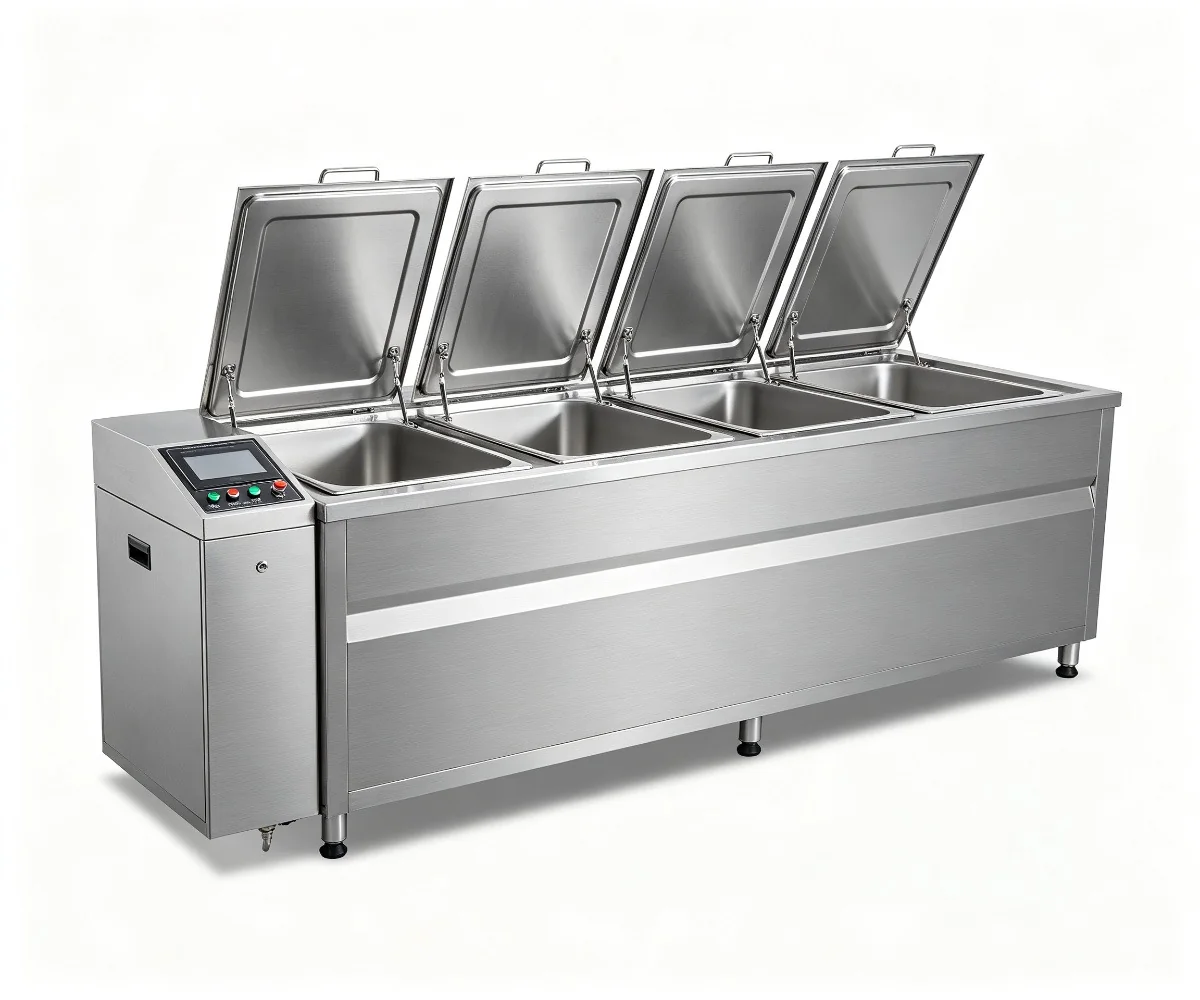
Multi-Stage Systems
A configurable 2-8+ stage system combining rough wash, fine wash, rinsing, treatment and drying around the required cleanliness target.
View configuration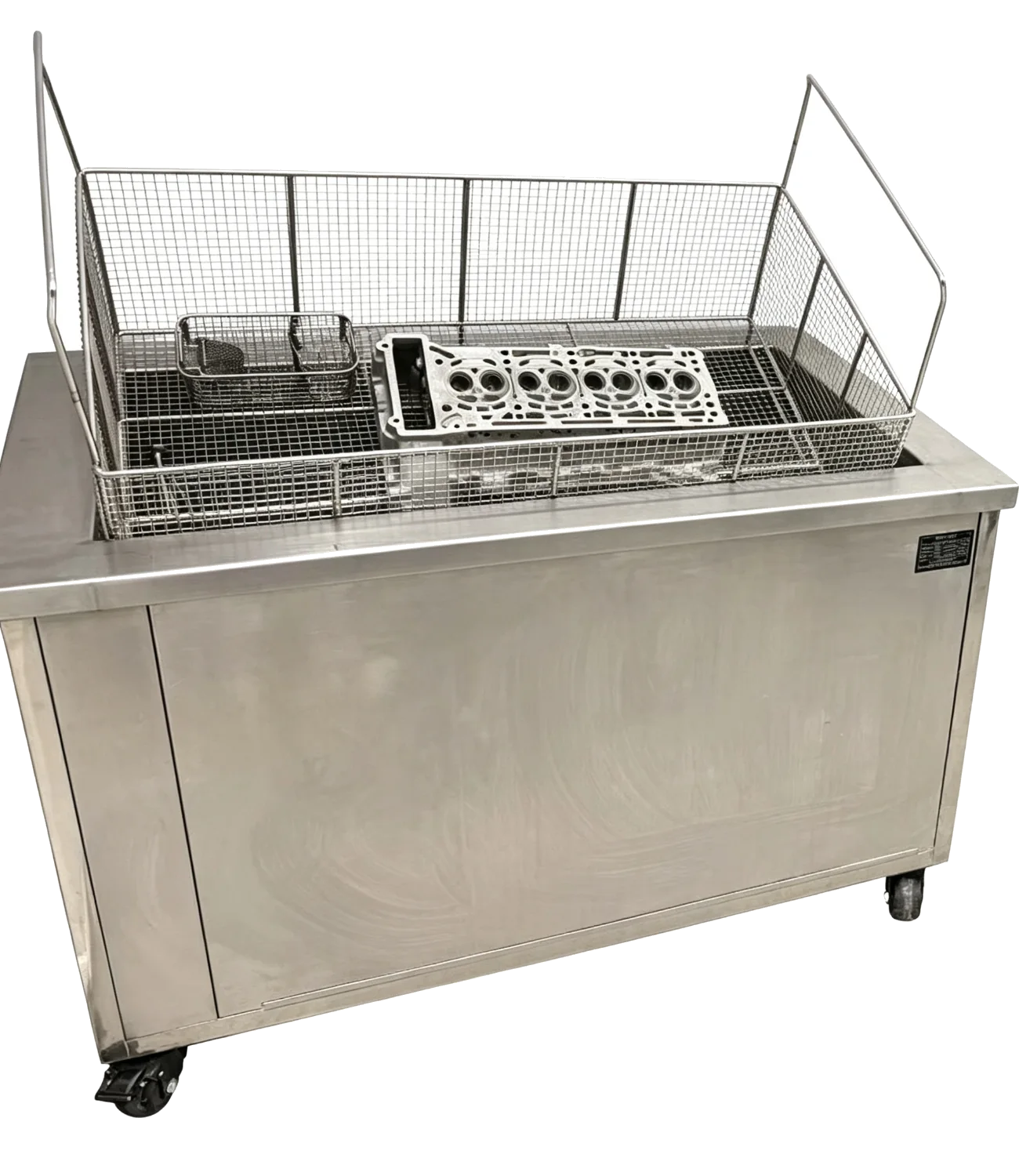
Single Tank Systems
Two configurations: ultrasonic cleaning only, or ultrasonic cleaning with circulating filtration and oil-water separation.
View configuration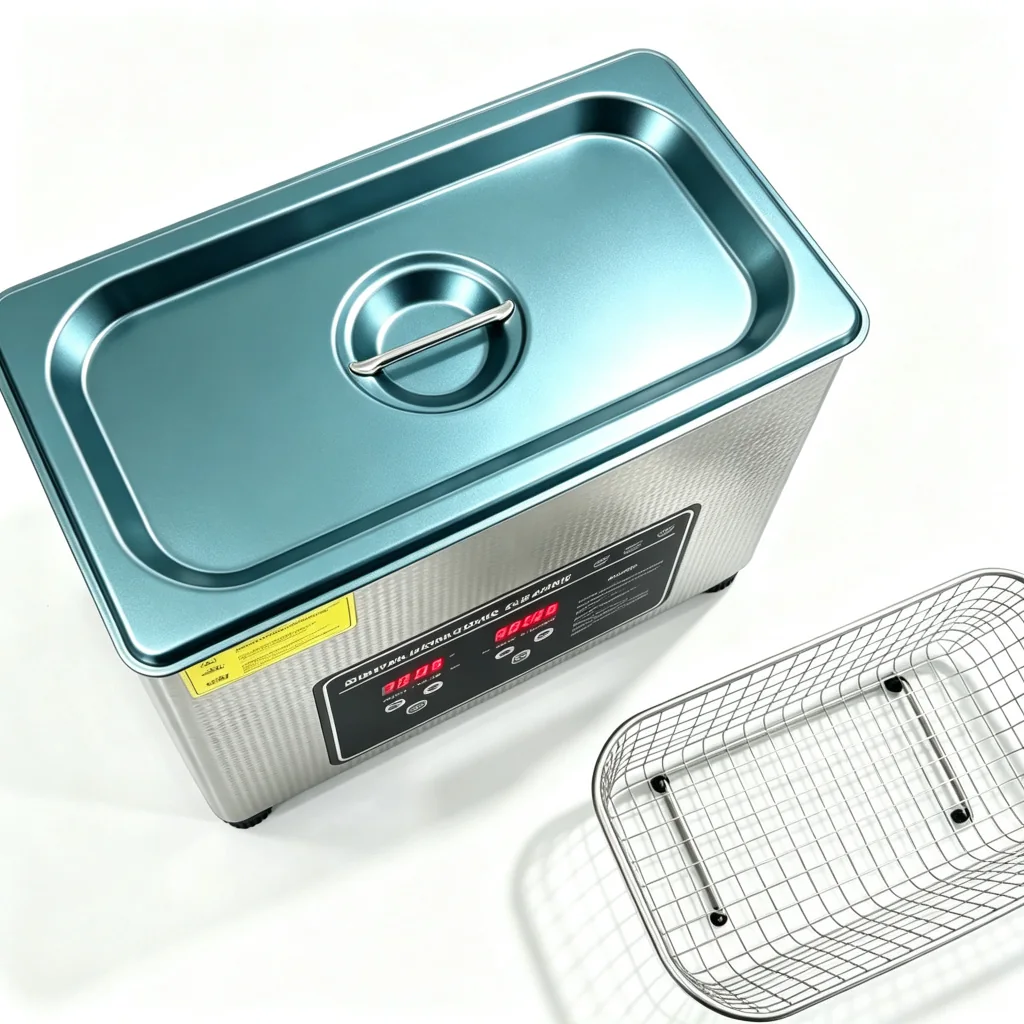
Benchtop Cleaners
A 2-45 L professional benchtop range with digital time, temperature and power control for laboratory, workshop and small-batch use.
View configuration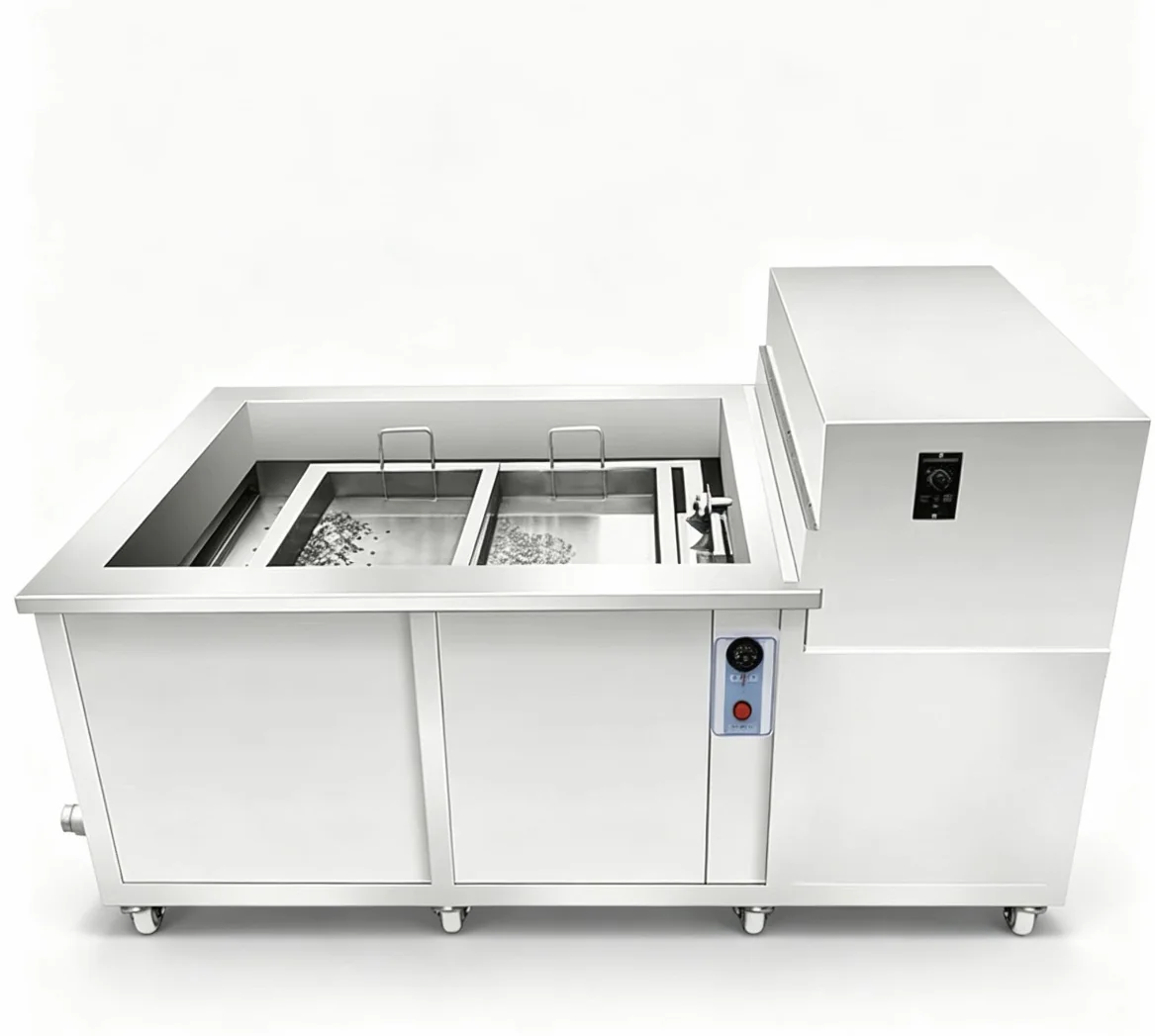
Special Single-Tank Systems
A 96-320 L industrial cleaner combining 28 KHz ultrasound with adjustable horizontal rocking for complex shapes, blind holes and dense batch loads.
View configuration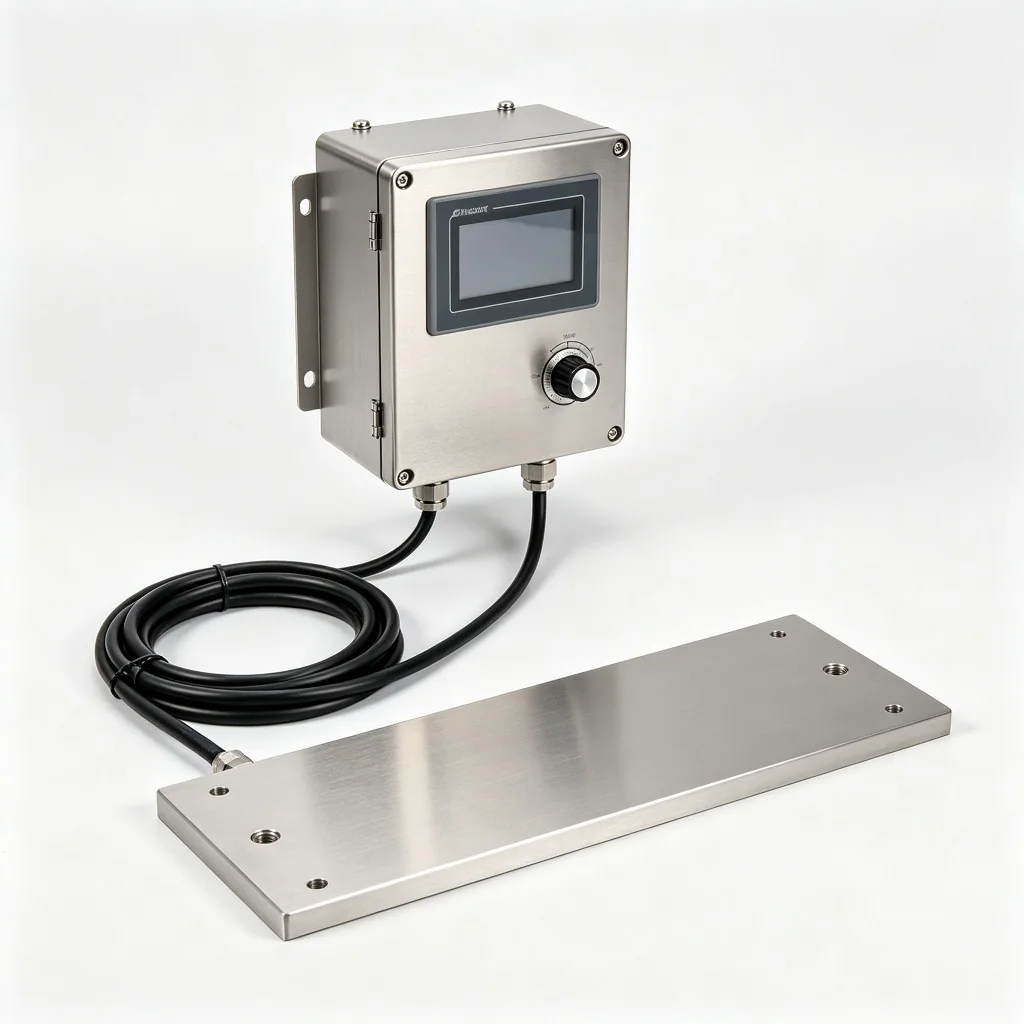
Ultrasonic Components
A sealed 600-1200 W stainless transducer module for adding ultrasonic power to existing tanks, custom vessels and multi-stage systems.
View configurationSystem Architecture
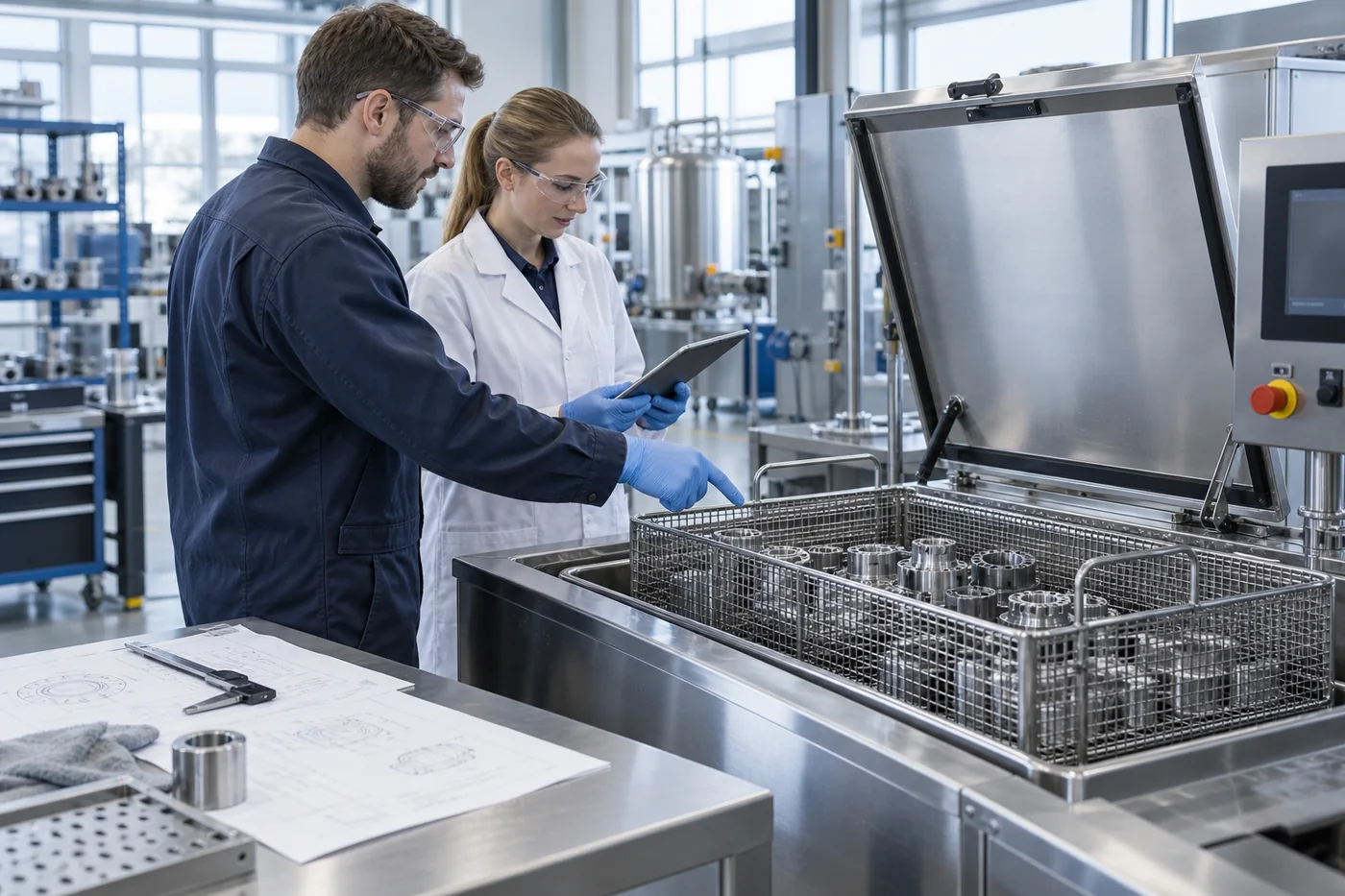
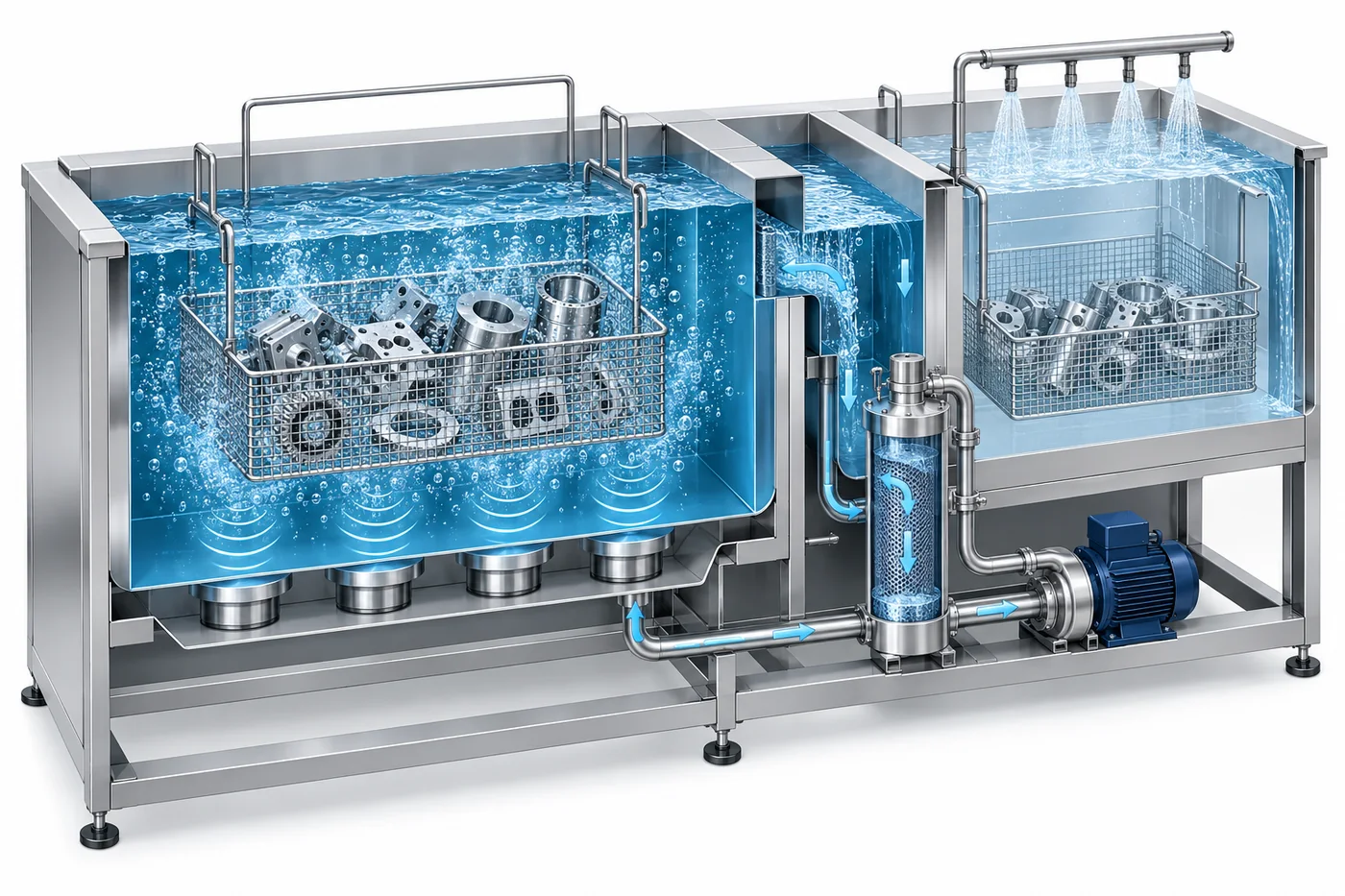
Part flow, rinse control, drying, load handling and takt time work together to determine the right system architecture.
Batch and sample work
Use 2-48 L benchtop cleaners for smaller parts and trials, or 72-616 L single-tank models for industrial batch cleaning. Confirm the part envelope, material, soil, load and heating demand.
Explore batch systemsControlled wash and rinse
Combine 2-8 stages for ultrasonic wash, rinse, passivation and drying where carryover and final surface condition must be controlled.
Explore multi-stage systemsRepeatable production flow
Use 3-12 station gantry lines, flexible robotic handling or continuous mesh-belt transfer after the cleaning sequence, basket design and takt time are confirmed.
Explore automationFinal tank dimensions, ultrasonic frequency, installed power, transfer method and process sequence are engineered for the confirmed workpiece, production load and cleanliness target.
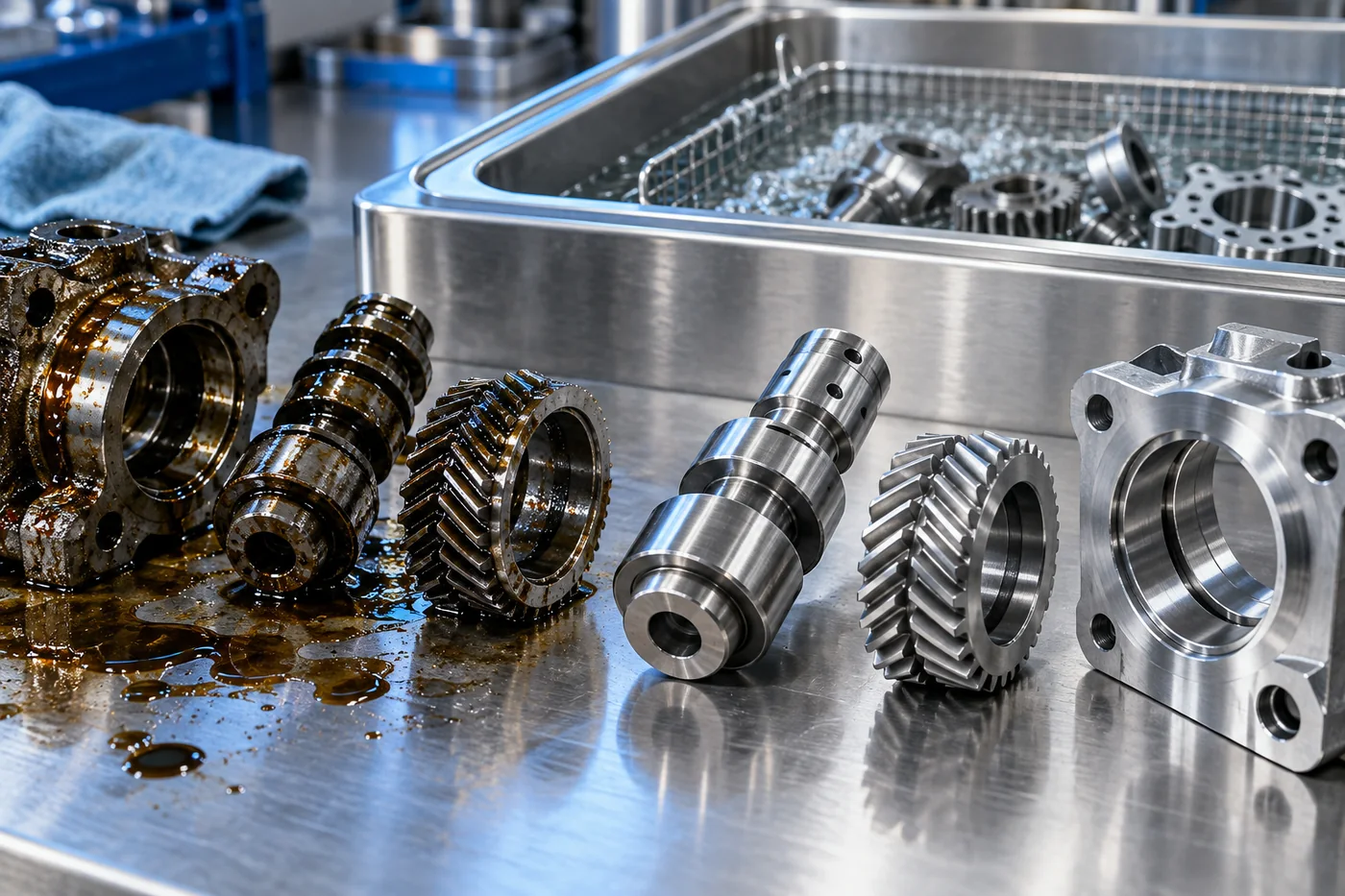
Oil can hide in blind holes, threads and textured surfaces. A strong wash without bath management may simply move contamination between parts.
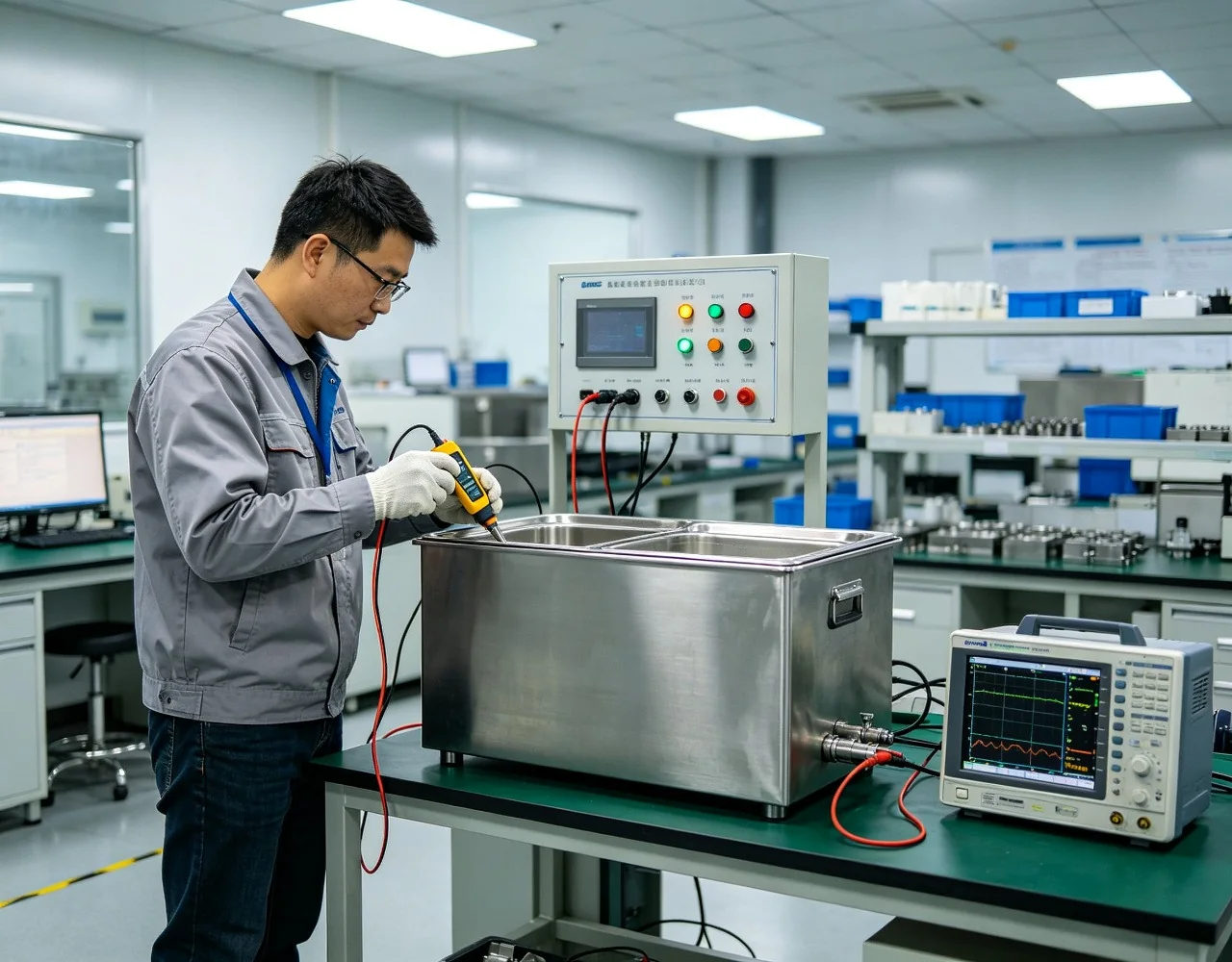
A part may look clean while fine particles, ionic residue or light films remain. Precision cleaning needs a measurable target and controlled final stages.
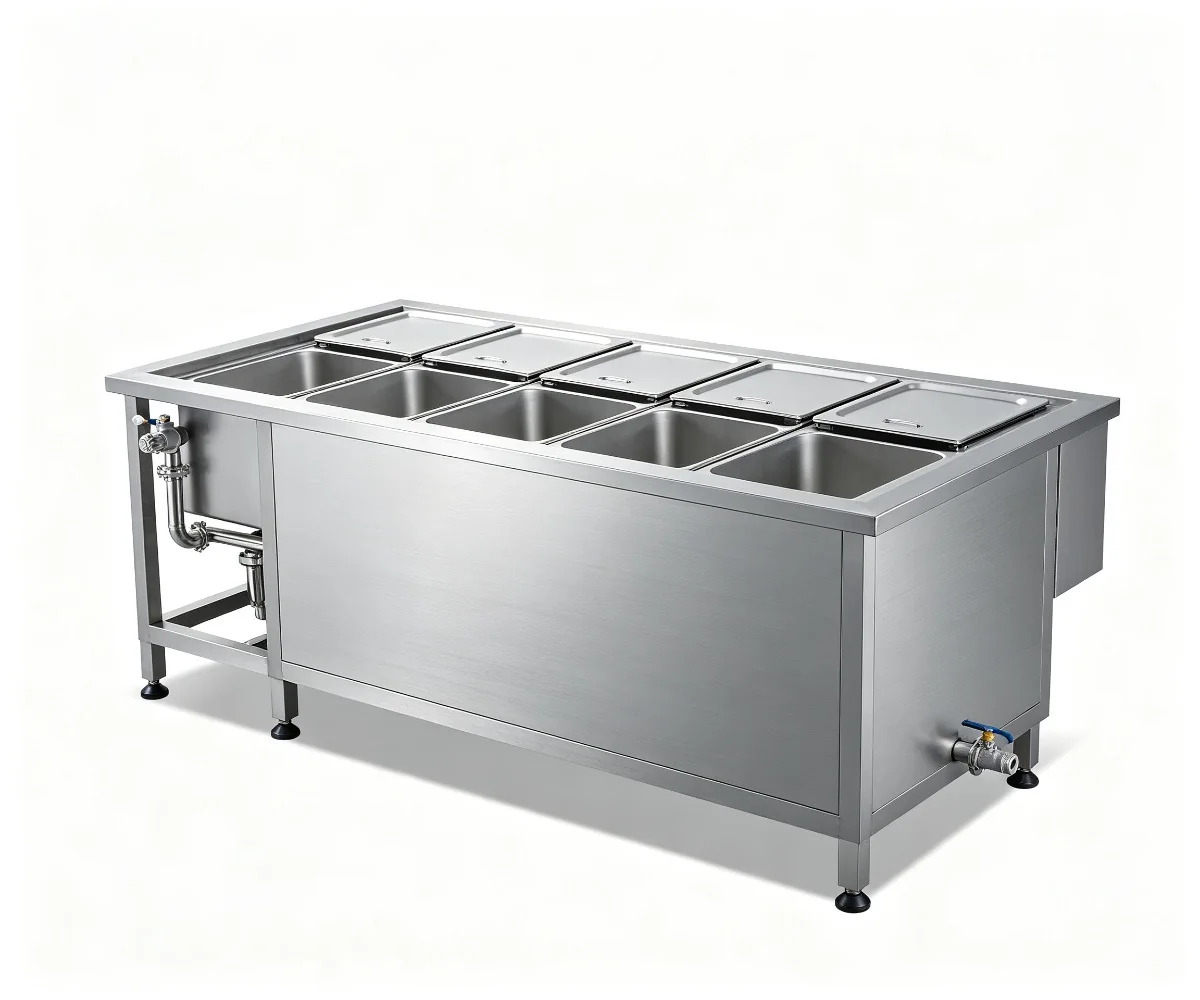
A single bath cannot always deliver low carryover, final-rinse quality and dry parts. The stage sequence must support the final acceptance requirement.
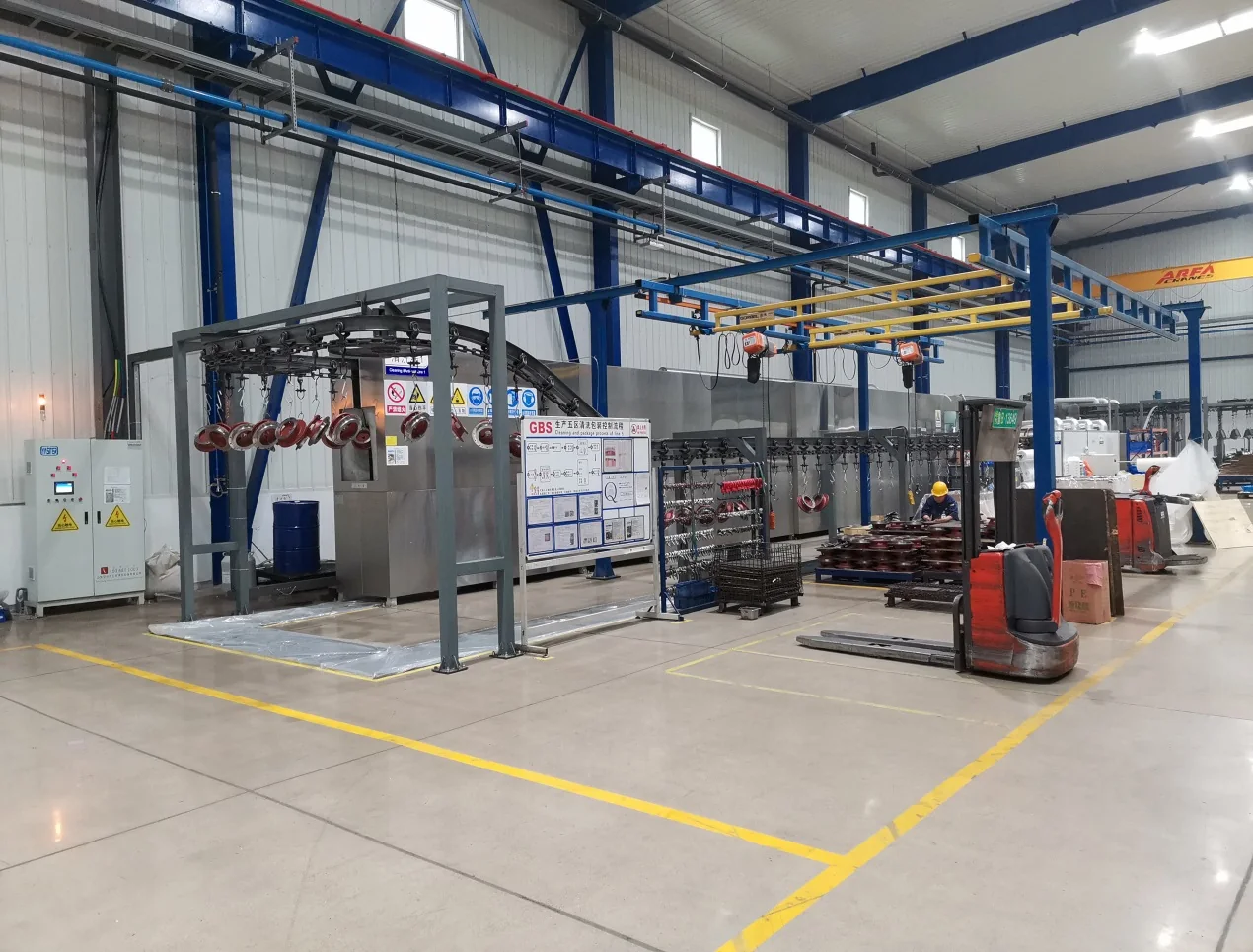
Automation should stabilize a proven process. Transfer method, basket design, takt time and exception handling must be defined together.
Engineering and Manufacturing
LENJEX integrates ultrasonic energy, stainless process tanks, liquid management, part handling and controls around the selected cleaning sequence. Project capabilities include mechanical design, 3D modeling, ultrasonic matching, generator development, PLC programming, fabrication, assembly and testing.
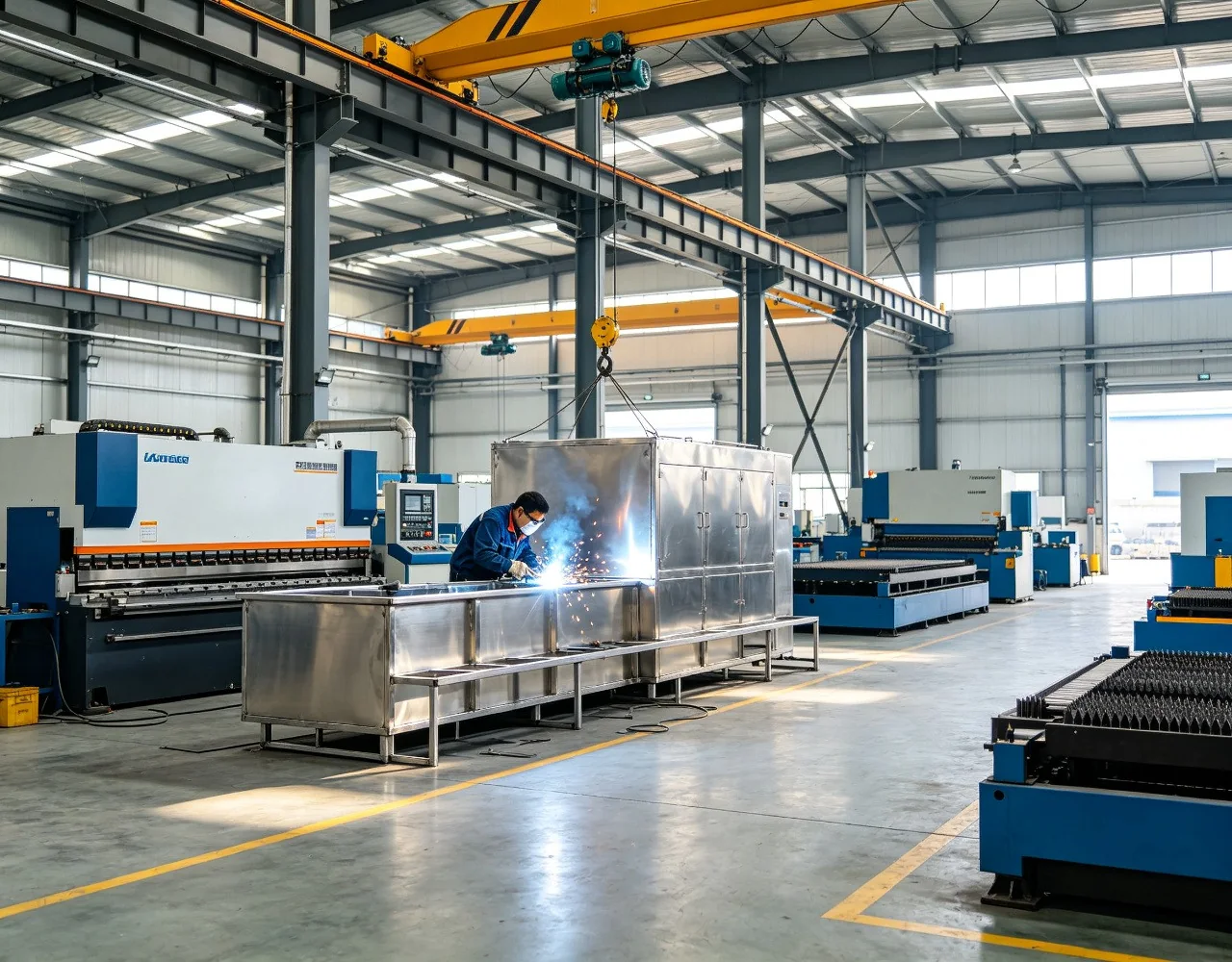
Product configurations span 20-120 KHz across transducers and cleaners. Frequency and installed power are matched to the part, soil and tank geometry.
Heating, filtration, oil separation, overflow, rinse-water management and drying are selected to control contamination through the full cycle.
Baskets, lift platforms, lateral oscillation, gantry transfer, robotic handling and mesh belts support different loads and production flows.
HMI recipes, alarms and process timing support repeatability, followed by ultrasonic power, heater, electrical safety, leakage and operating checks where specified.
Workpiece Applications
Explore by workpiece to review typical geometry, materials, contamination, downstream operations and practical cleanliness checks without confusing the application with the process solution.
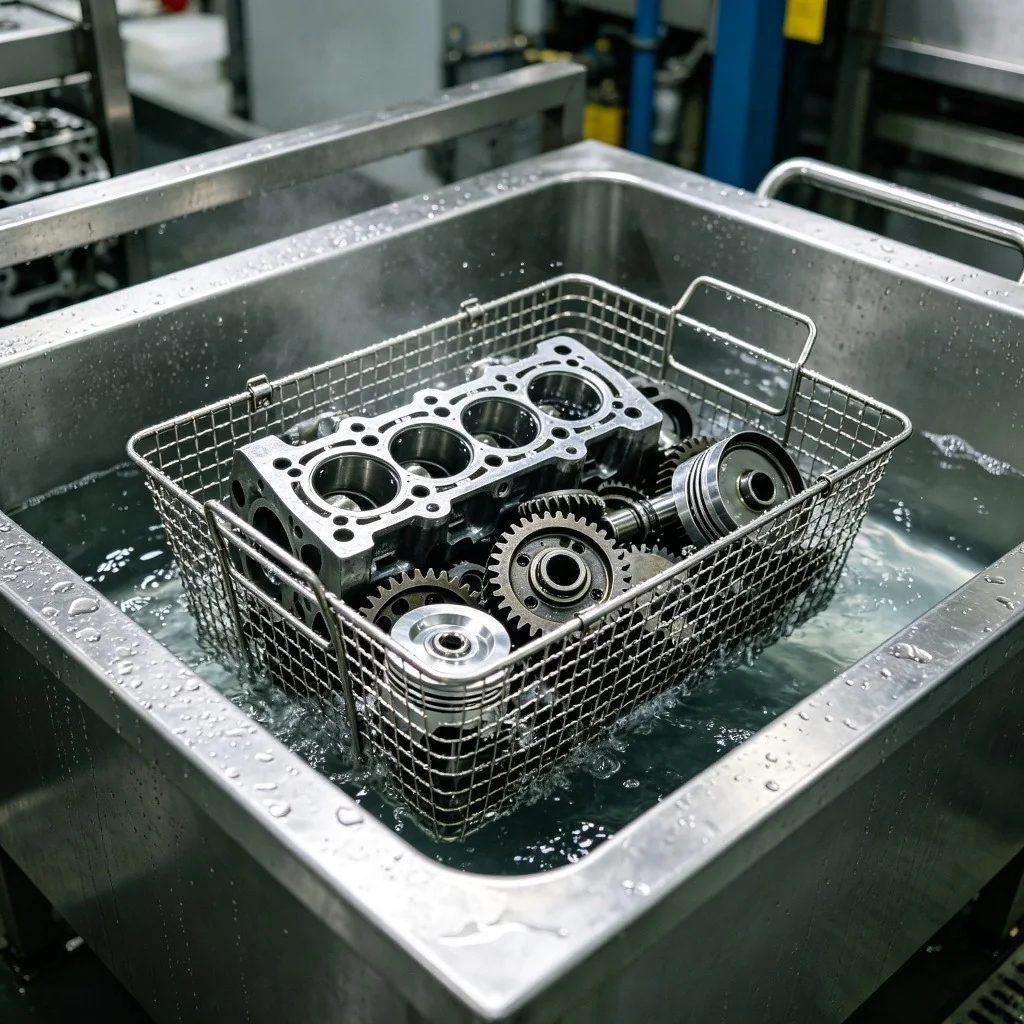
Automotive component cleaning must remove mixed contamination from passages, holes and complex surfaces without slowing production flow.
Explore application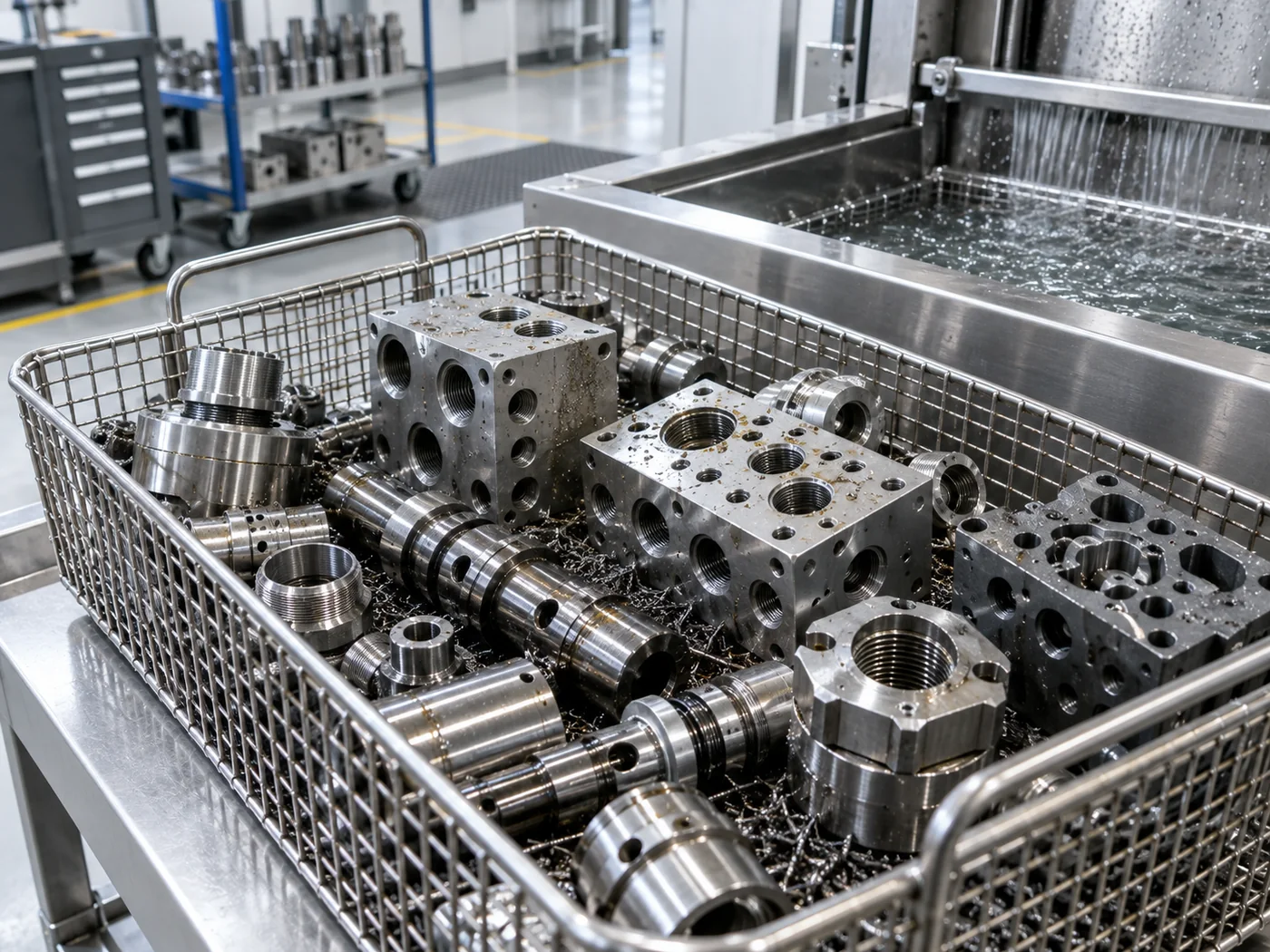
Machined parts often retain cutting fluid and fine chips in cross holes, threads and internal channels where manual washing is inconsistent.
Explore application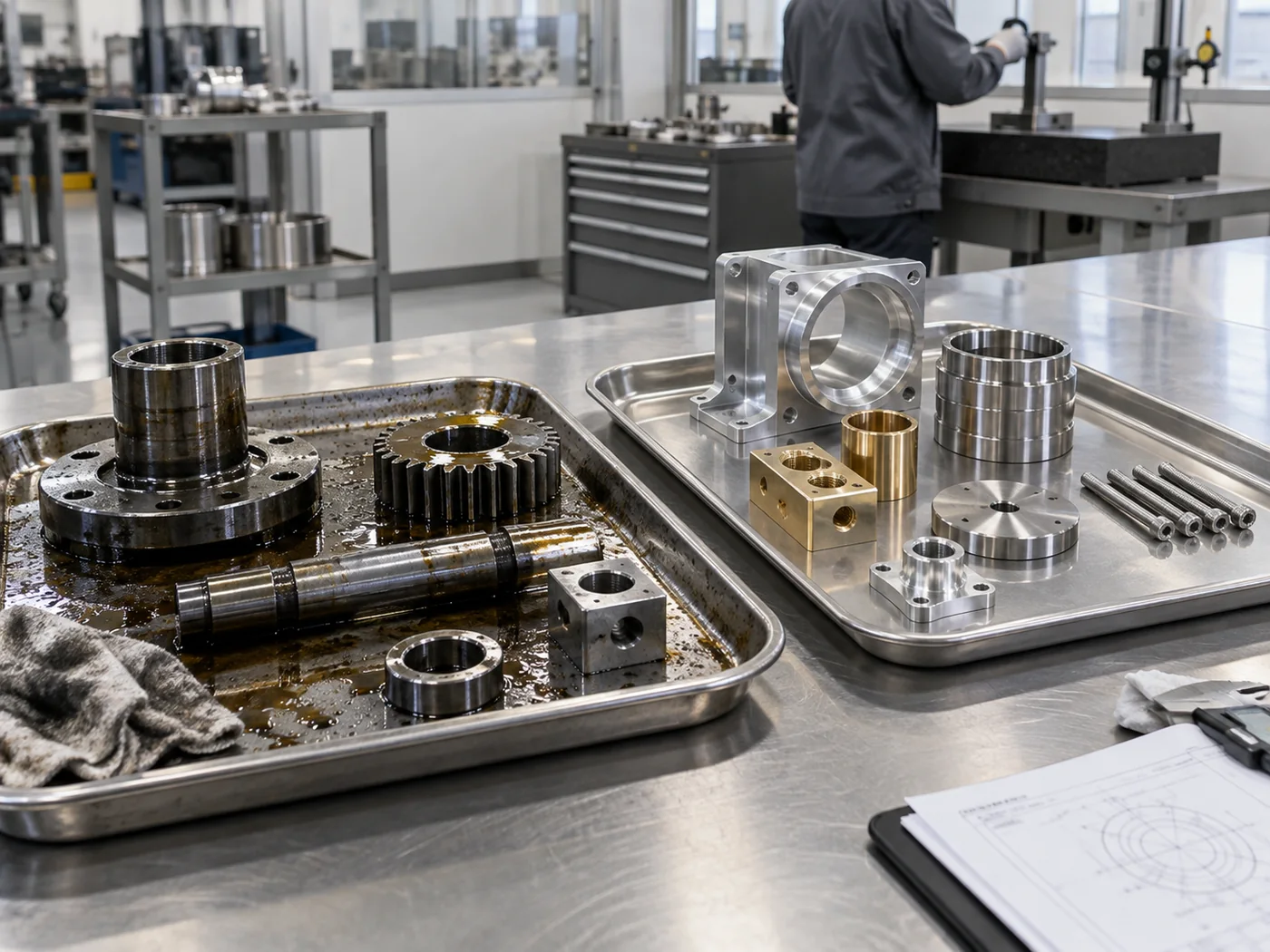
Metal parts vary widely in alloy, geometry, surface finish and soil load, so chemistry and energy must be selected as one process.
Explore application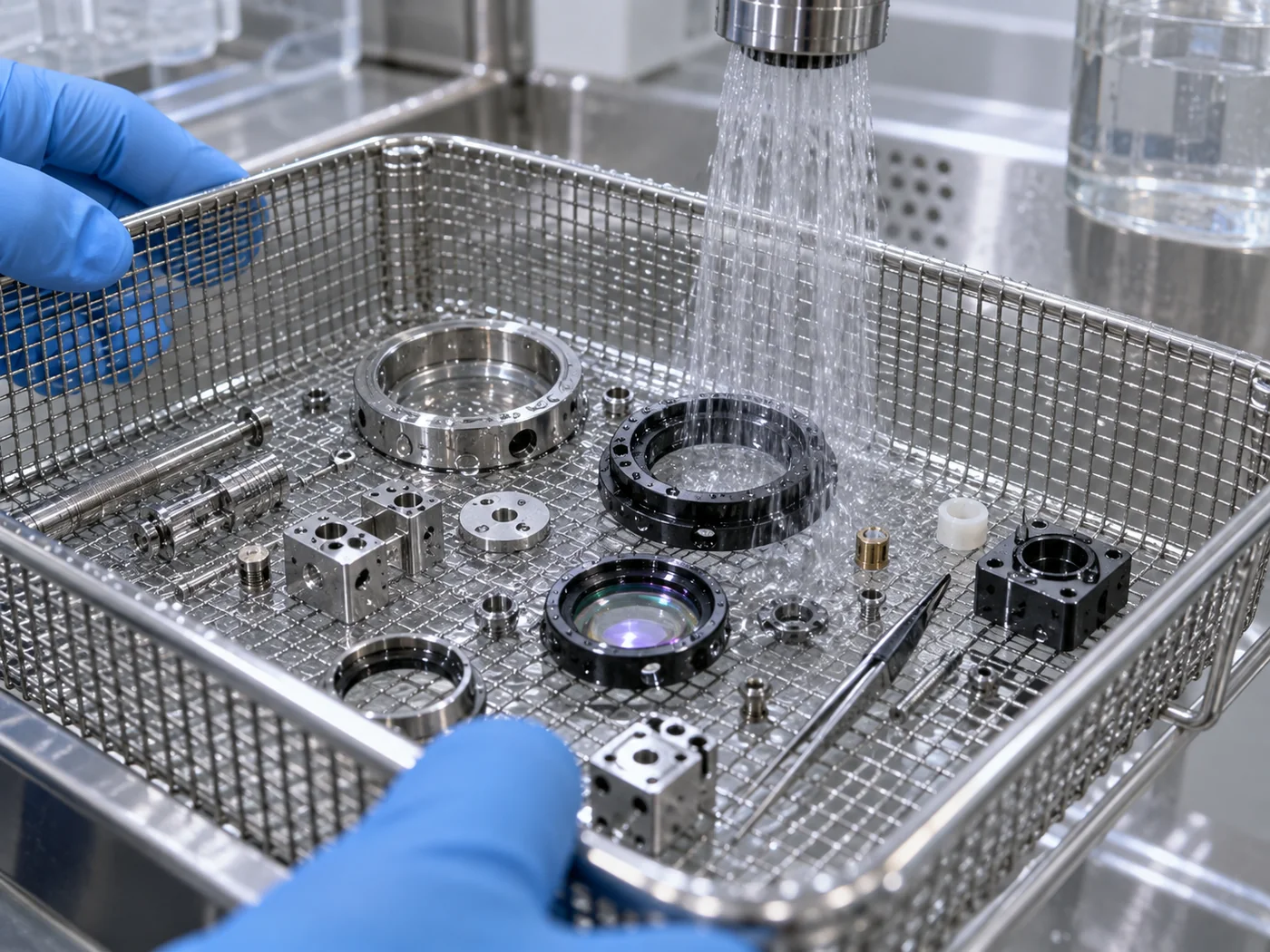
Precision cleaning is controlled by particle size, surface sensitivity, rinse quality, bath condition and handling after the wash.
Explore application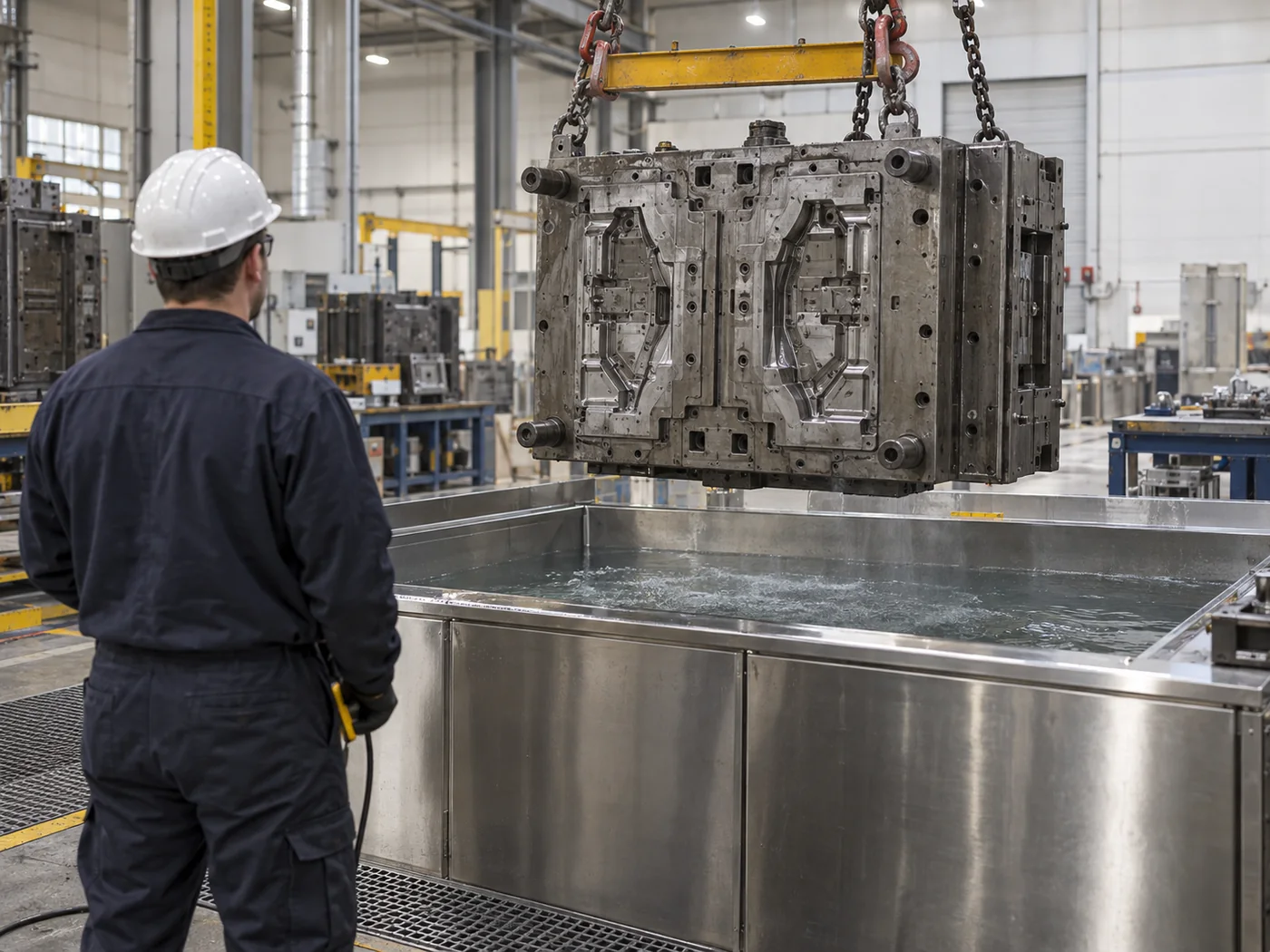
Molds combine heavy mass, complex cavities and surface-finish requirements. Cleaning must reach detail without damaging working surfaces.
Explore applicationTrial Cleaning
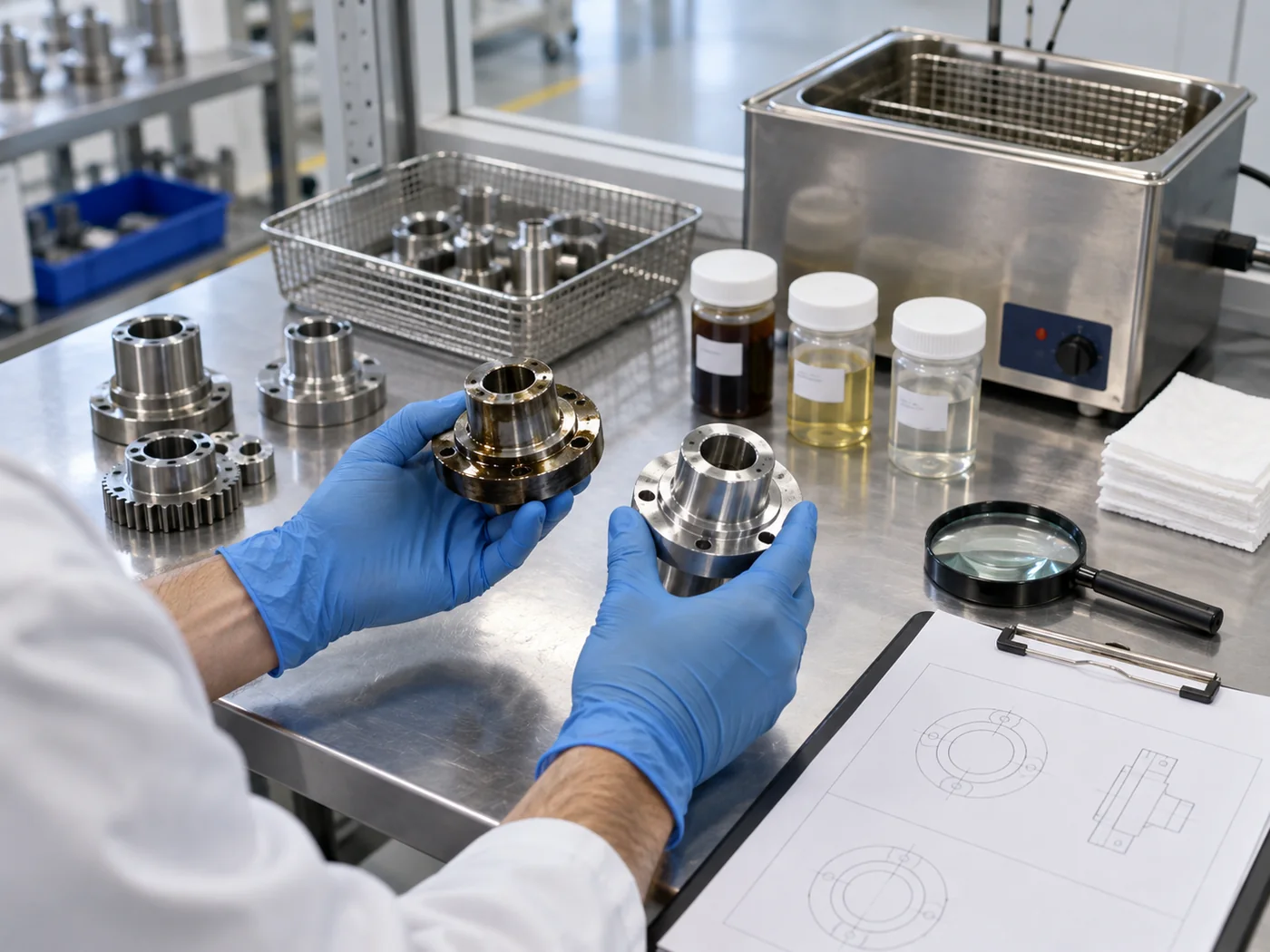
Representative parts and a defined acceptance method allow LENJEX to evaluate chemistry, time, temperature, frequency, basket loading and the need for rinsing or drying.
Technical Insights
Frequency, chemistry, bath condition, basket loading, rinsing and automation influence one another. These guides help engineering and purchasing teams compare proposals on a consistent process basis.
Technology
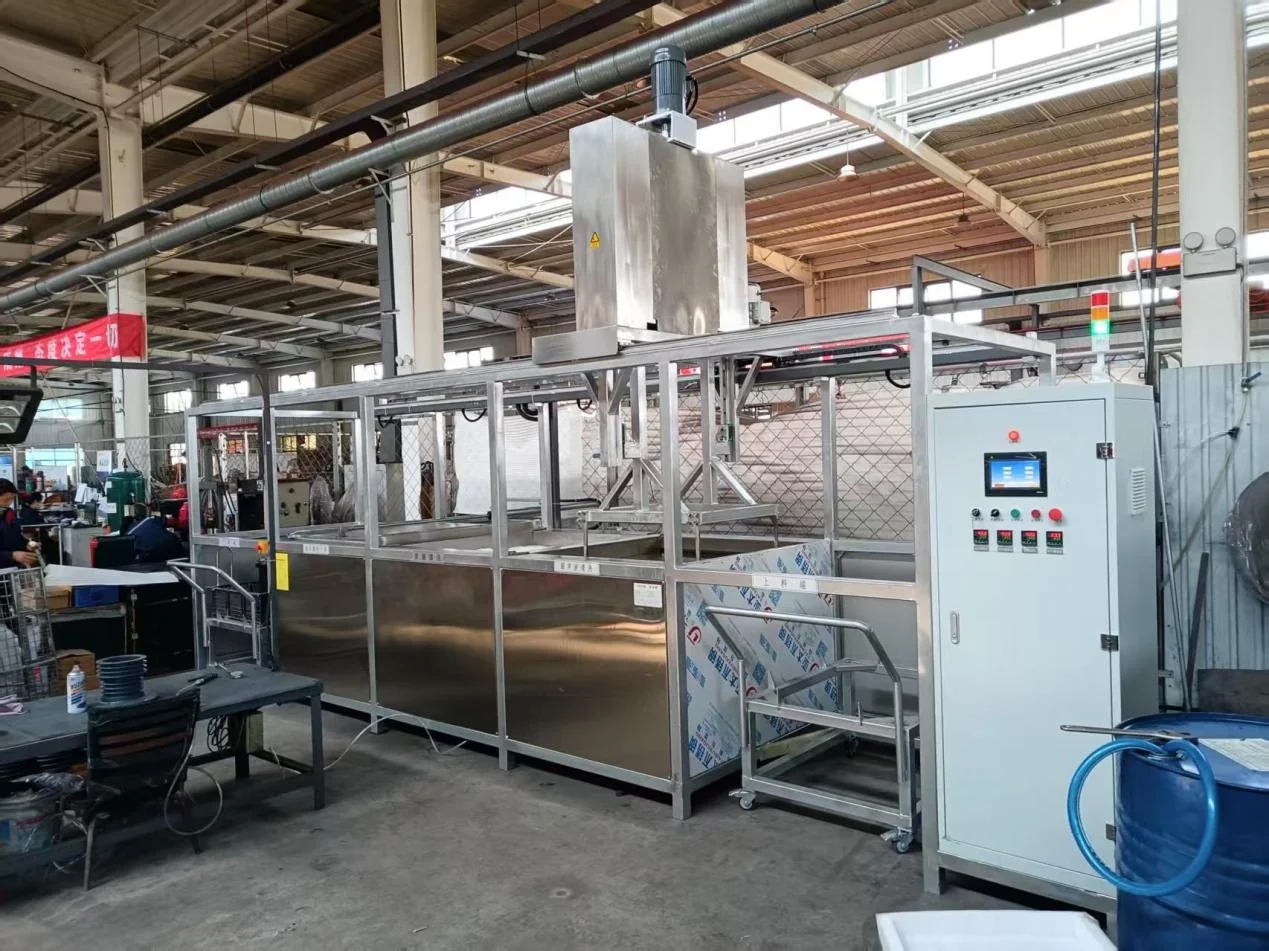
LENJEX's new-generation systems combine automatic frequency tracking, sweep, rapid degassing, adjustable output and expanded automation options to keep cavitation and process timing consistent across the cleaning tank.
Read article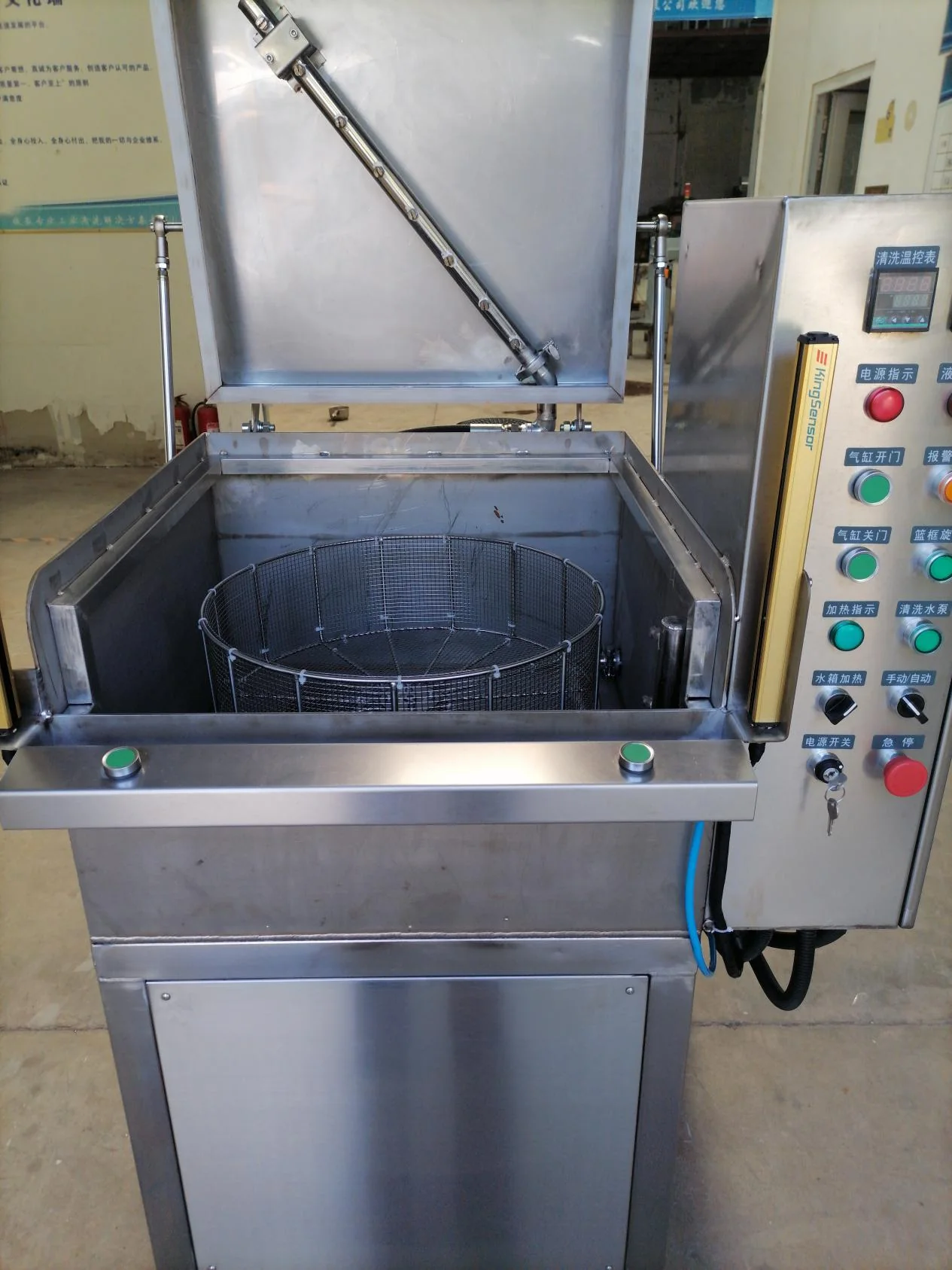
Applications
Modern engine and transmission components operate with tight tolerances, so metal chips, machining oil, coolant residue and dust can affect reliability. Ultrasonic cavitation reaches holes, internal passages and threaded features that line-of-sight spray cleaning may miss.
Read article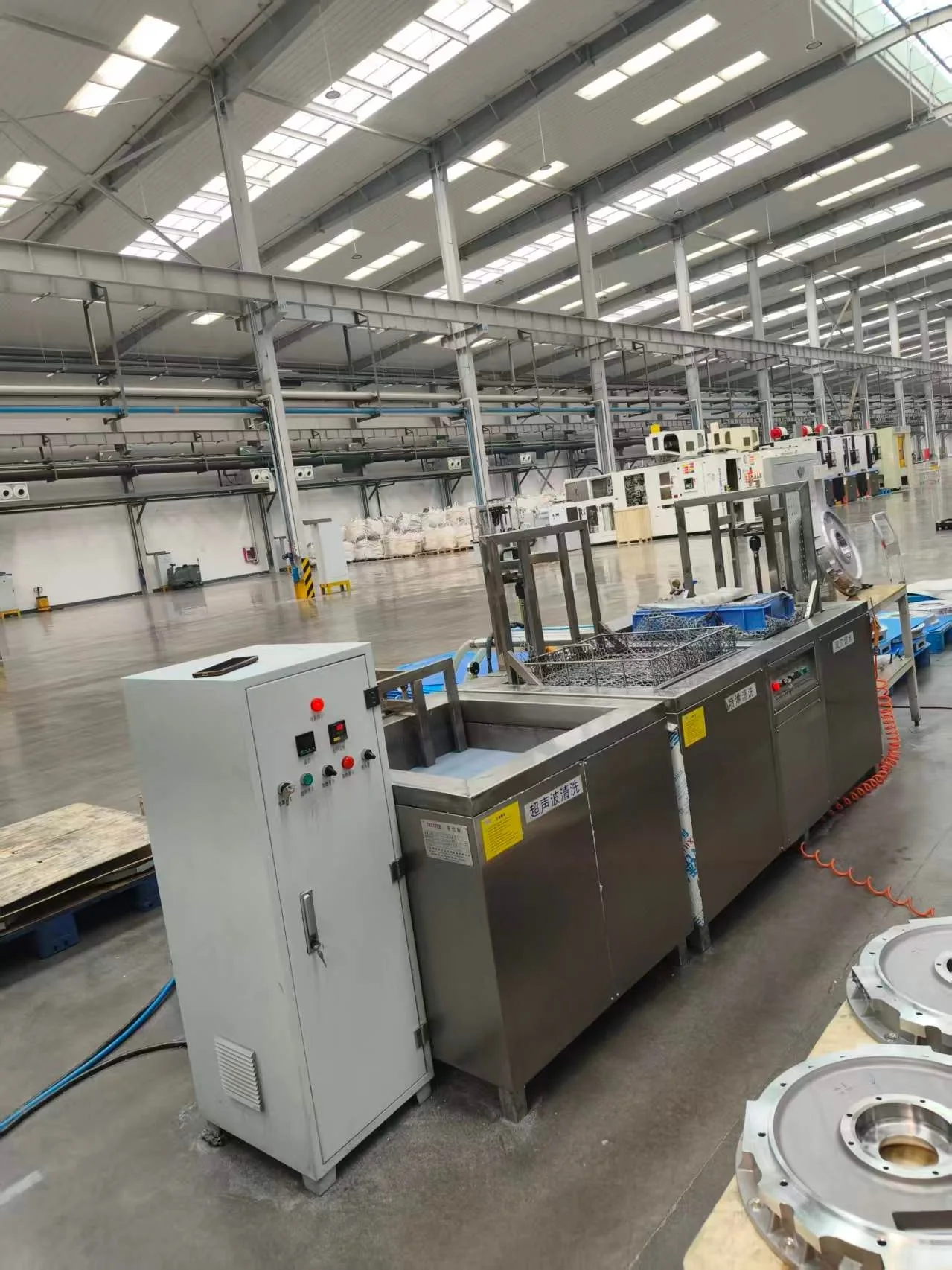
Buying Guide
Selecting an industrial ultrasonic cleaner affects quality, operating cost and throughput. The useful comparison begins with the workpiece, contamination and acceptance target before moving to tank size, frequency, stages and automation.
Read articleFrequently Asked Questions
Provide the workpiece material, dimensions, weight, contamination, cleanliness target, parts per load, production rate and available utilities.
Yes. Configurable systems can combine ultrasonic washing, rinsing, passivation and drying with manual, assisted or automatic transfer.
Representative trials help confirm chemistry, time, temperature, frequency, basket loading and inspection criteria before equipment configuration is finalized.
Published model ranges provide a reference for early comparison. Final tank dimensions, ultrasonic power, handling and process stages are configured for the confirmed part and application.
Lower frequencies can suit robust industrial cleaning, 40 KHz serves many general applications, and 80 or 120 KHz can address finer particles or more sensitive surfaces. Representative-part trials help confirm the final selection.
Add rinse, passivation or drying stages when carryover, surface condition or ready-to-use dry parts cannot be controlled by one wash tank alone.