
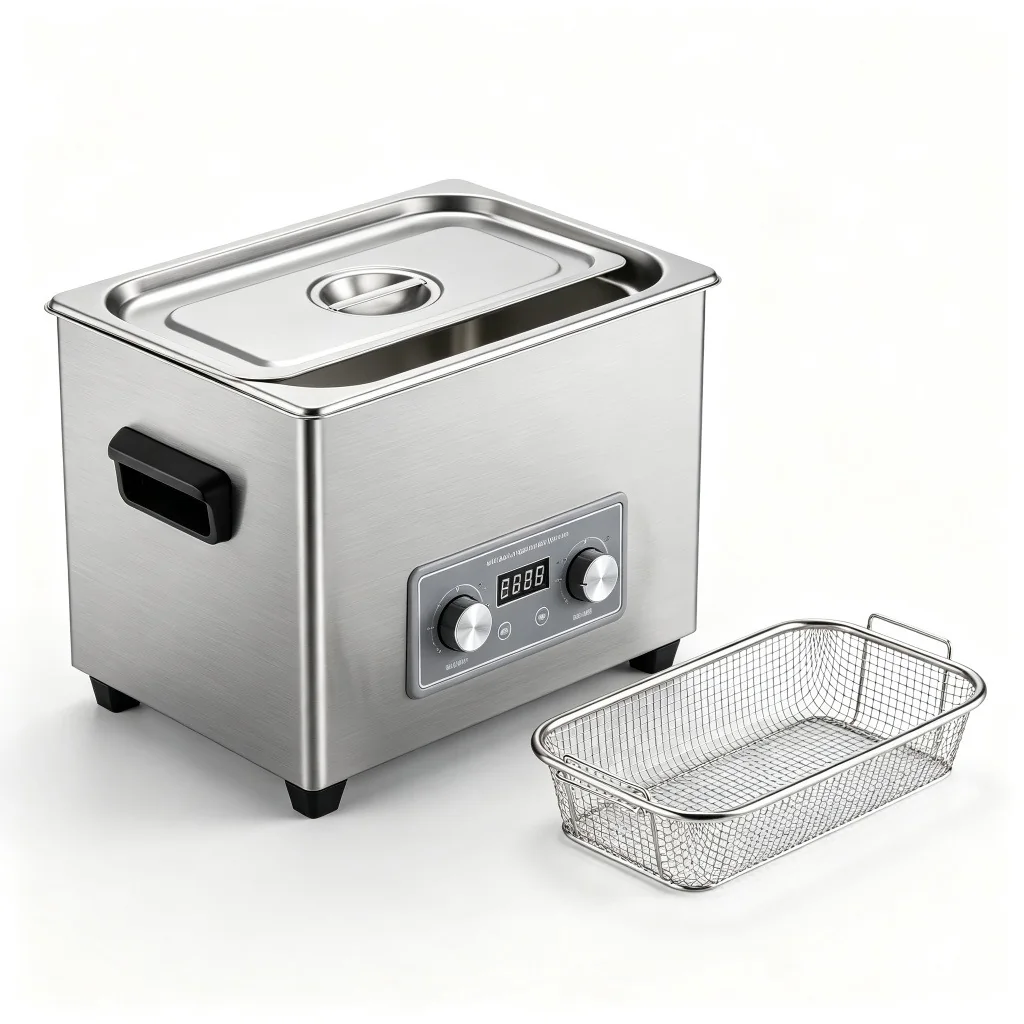
Benchtop & Laboratory Ultrasonic Cleaners
Compact Benchtop Ultrasonic Cleaner Series (2-30 L)
Small tabletop ultrasonic cleaners from 2 to 30 litres
View configuration
LENJEX Industrial Cleaning
Gentle cleaning of rings, chains, watch bands and small components to restore shine without hand polishing.
Why Ultrasonic
Jewelry and watch parts collect polishing compound, dirt, skin oils and residues in settings, chains and links. Gentle 40 KHz cavitation cleans these recessed areas without the contact and wear of hand polishing, restoring shine quickly.
A compact benchtop cleaner is the standard choice, with a small basket and mild compatible chemistry. Retail counters and workshops commonly use the same equipment for both jewelry and watch bands.
Gemstone and material compatibility should be checked before cleaning, as some settings and stones are not suited to ultrasound.
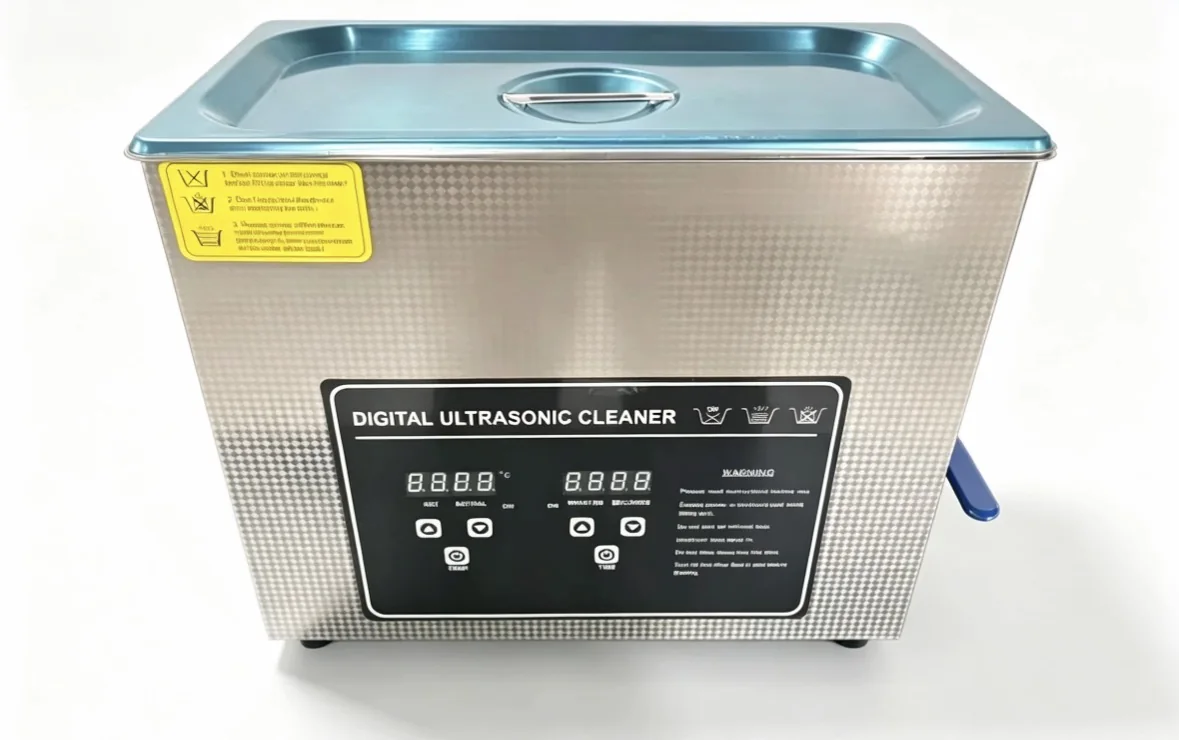
Typical Workpieces
Contamination
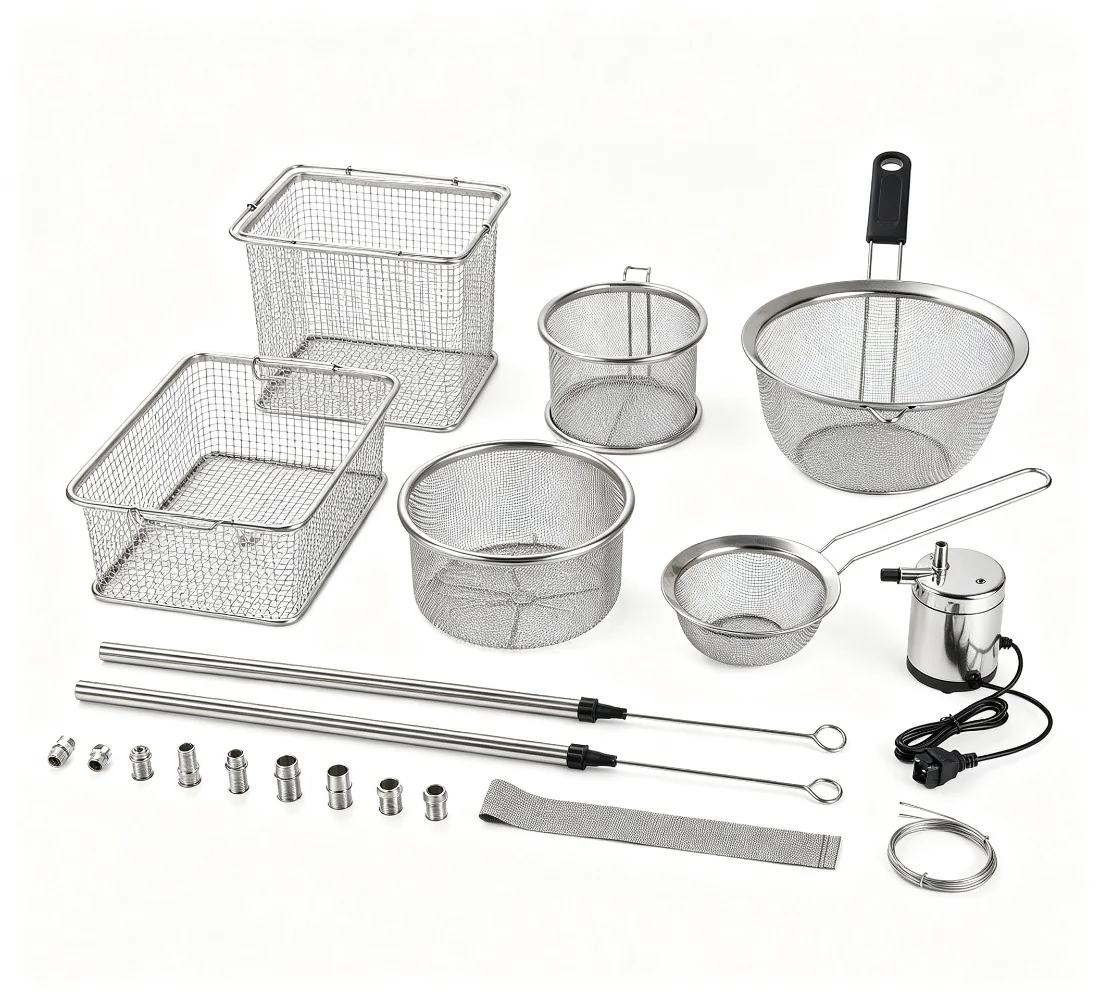
Cleanliness Target
Acceptance is visual: restored shine with no residue in settings or links and no change to the stone or setting.
Soft or fragile stones are excluded or handled separately.
Recommended Sequence
The final sequence depends on soil loading, material, rinse quality and drying behavior.
Recommended Equipment
The final specification follows process testing and production analysis.
Benchtop & Laboratory Ultrasonic Cleaners
Small tabletop ultrasonic cleaners from 2 to 30 litres
View configuration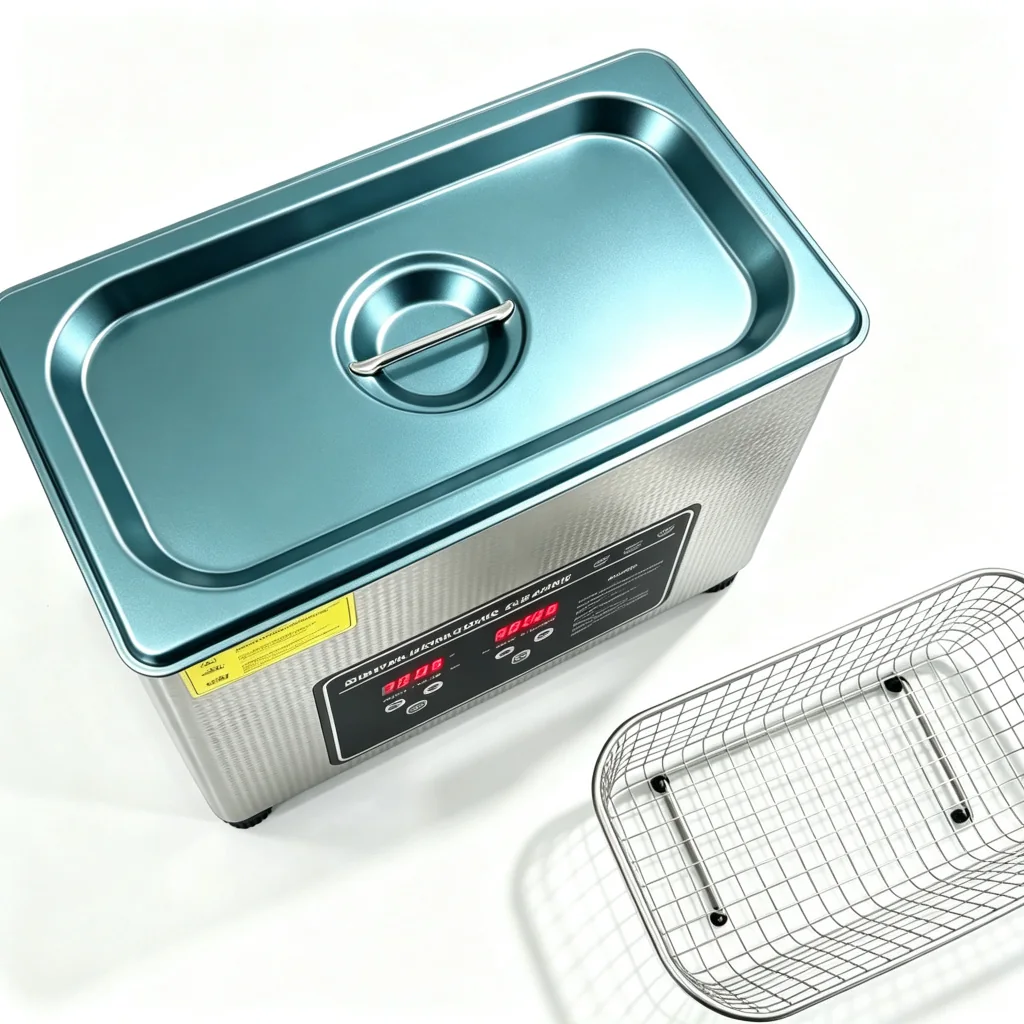
Benchtop Cleaners
A 2-45 L professional benchtop range with digital time, temperature and power control for laboratory, workshop and small-batch use.
View configuration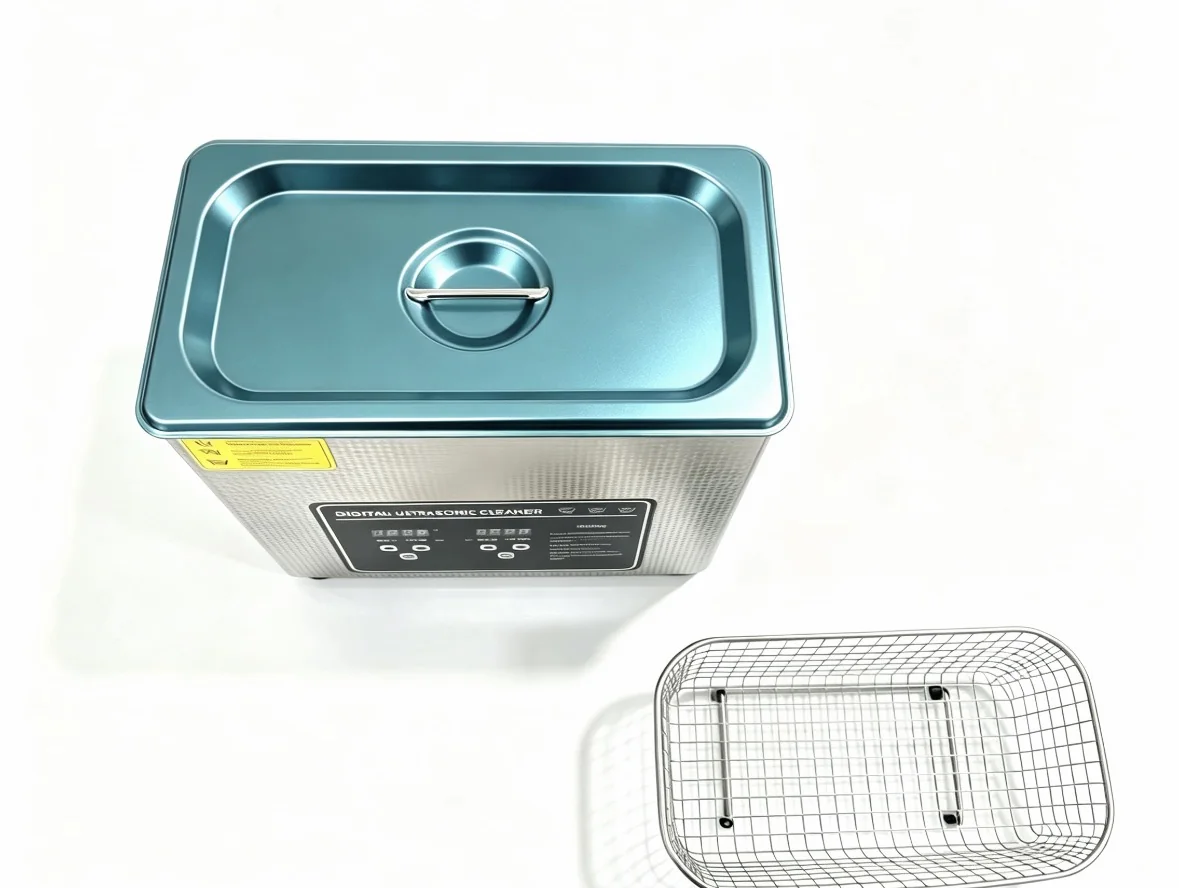
Benchtop & Laboratory Ultrasonic Cleaners
Scientific lab ultrasonic bath with degas, sweep and precise control
View configurationProcess Controls
Confirm the part, soil, loading and final handling before fixing equipment settings.
Control 01
Record surfaces, cavities and features that can trap air or liquid.
Control 02
Test the heaviest representative contamination, not an ideal sample.
Control 03
Keep acoustic access and part spacing consistent with production.
Control 04
Match downstream handling to residue and corrosion risks.
System Selection
Stage count and automation follow the validated process and required output.
Batch
Compare for focused washing where rinsing and drying are managed separately.
Multi-stage
Add controlled stages when carryover and final condition matter.
Automatic
Evaluate automation when output, handling or recipe control requires it.
Acceptance
Use the same practical inspection method for trial samples and production parts.
Representative Trial
Trial evidence should cover normal production and the most difficult expected condition.
Application Questions
Include normal production parts and the most difficult expected geometry or contamination so the process is not based on an easy sample.
Provide part dimensions, material, soil, cleanliness target, parts per load, required output and available utilities.
No. Some stones and settings are sensitive; compatibility should be checked before cleaning, and unsuitable pieces are cleaned by hand.
A 2-6 L compact benchtop unit handles most rings and small jewelry; a 10 L or larger unit suits bracelets and heavier pieces.
Cavitation and compatible chemistry can lift surface dirt and some tarnish, though heavy tarnish may need a specific treatment.
Related Applications
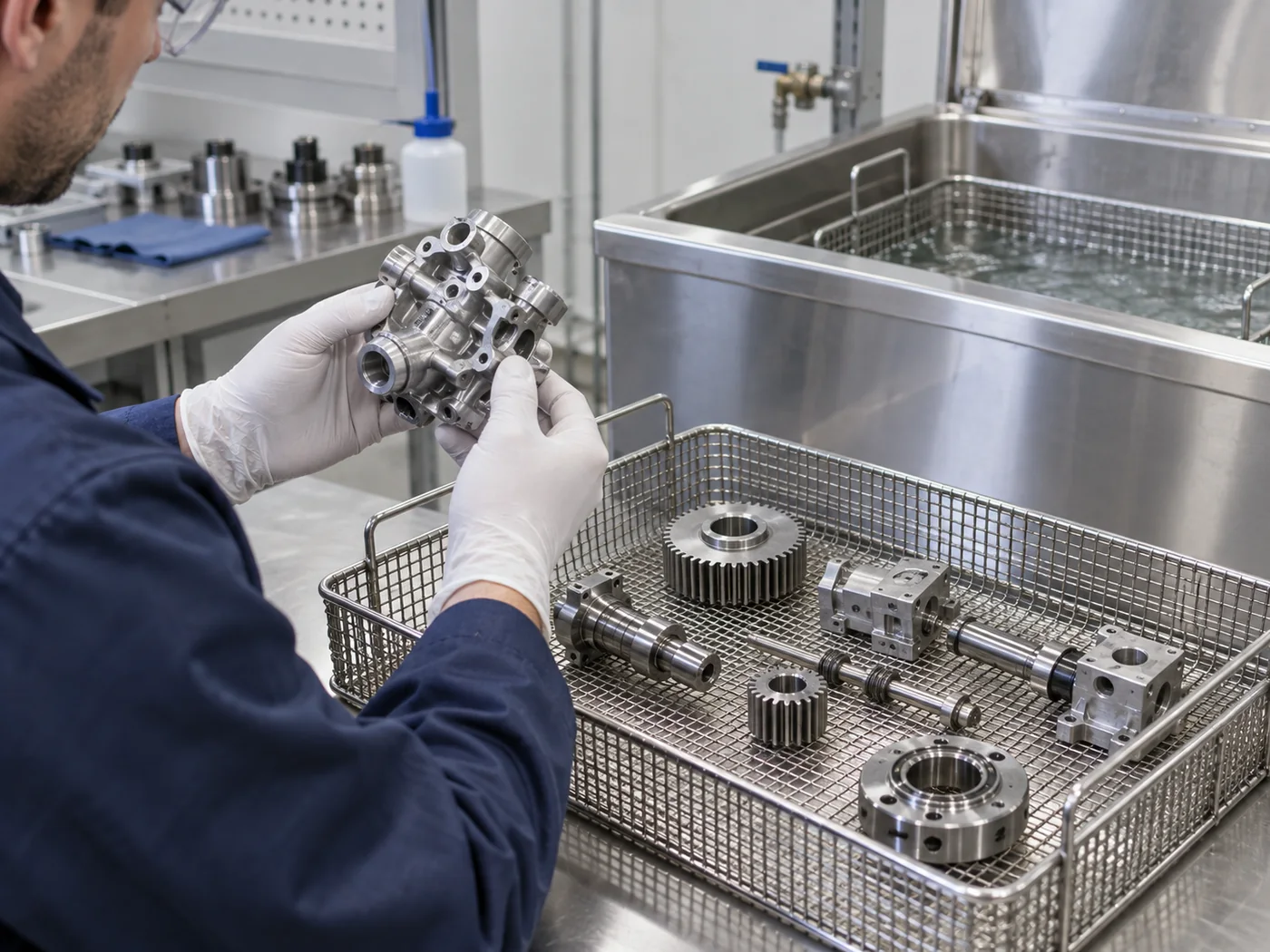
Industrial Application
Gentle ultrasonic cleaning removes polishing compound, particles and fingerprints from optical components without scratching coated surfaces.
View cleaning approach
Industrial Application
Ultrasonic cleaning removes blood, tissue and contamination from surgical and dental instruments, including box locks, serrations and lumens, before sterilization.
View cleaning approach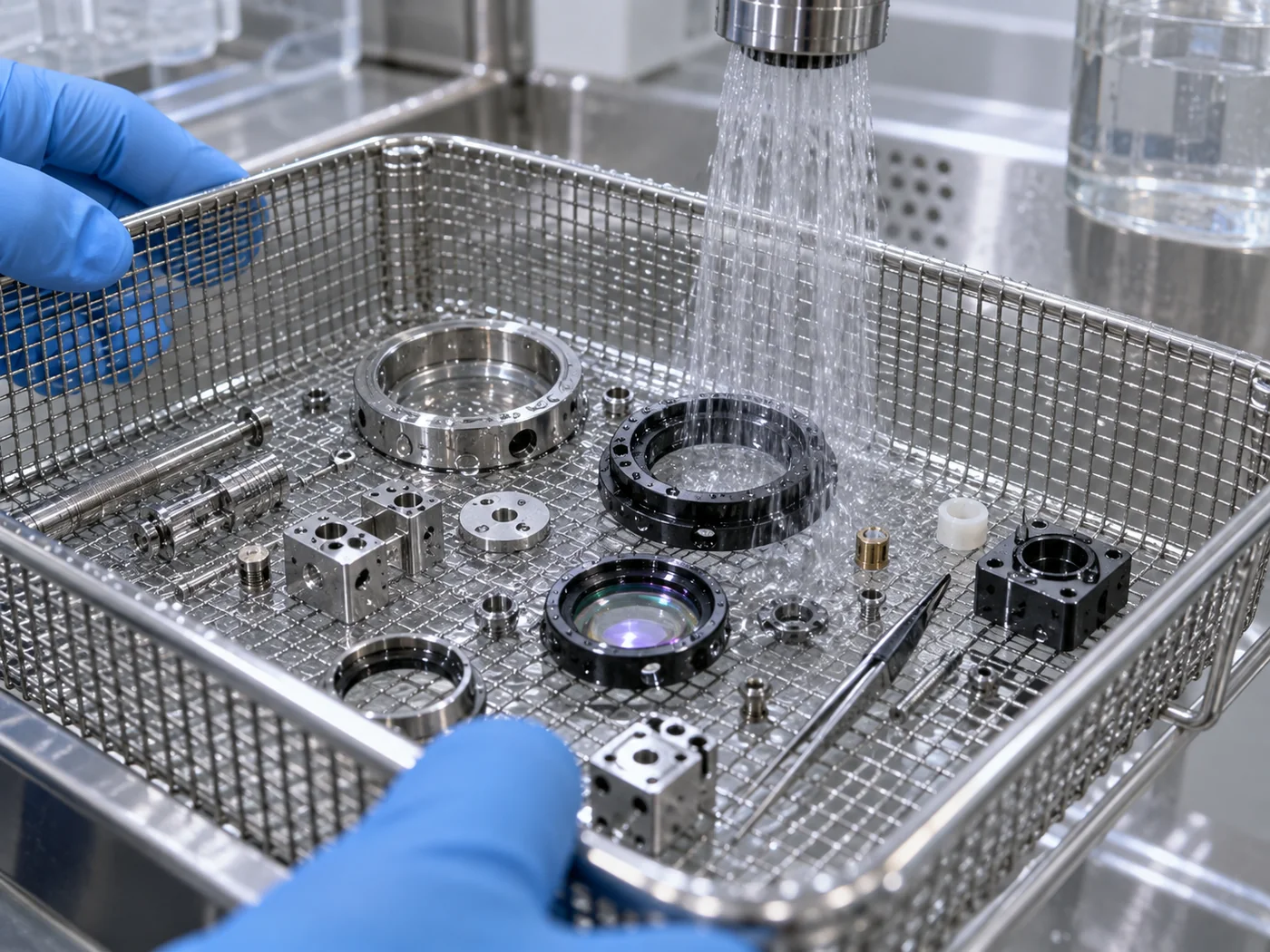
Industrial Application
Precision cleaning is controlled by particle size, surface sensitivity, rinse quality, bath condition and handling after the wash.
View cleaning approach