
LENJEX Industrial Cleaning
Ultrasonic Trial Cleaning Service
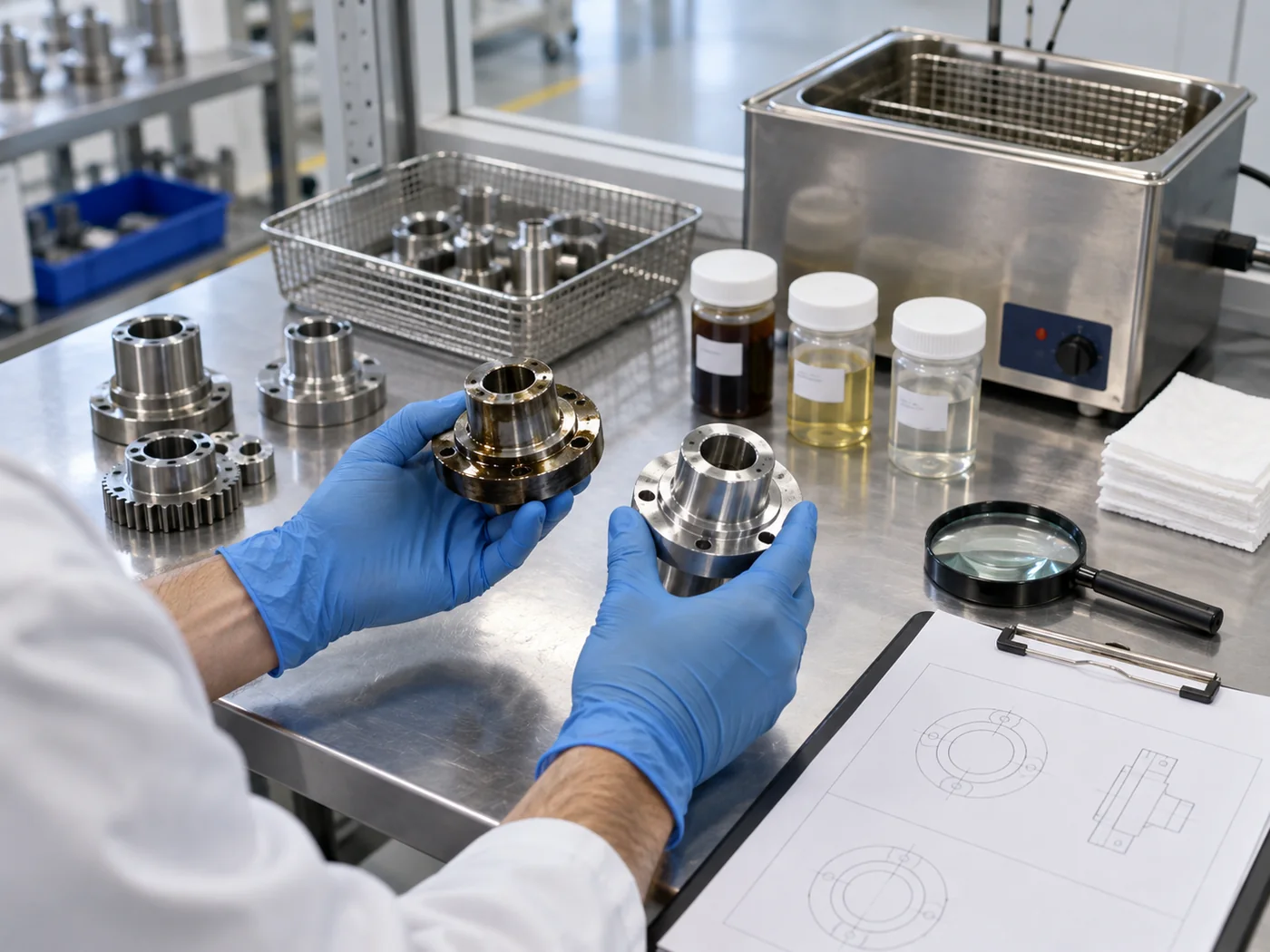
Use representative parts to verify cleaning chemistry, cycle conditions and equipment direction before purchase.
Why Test First
Turn an uncertain cleaning problem into recorded process data
Trial cleaning helps separate machine assumptions from the real behavior of the part, contamination and chemistry. It is especially useful for complex cavities, sensitive surfaces, heavy soil and measurable cleanliness requirements.
- Compare cleaning chemistry and concentration
- Evaluate time, temperature and ultrasonic frequency
- Study basket loading and acoustic access
- Identify rinse, passivation and drying needs
Trial Workflow
From sample intake to equipment recommendation
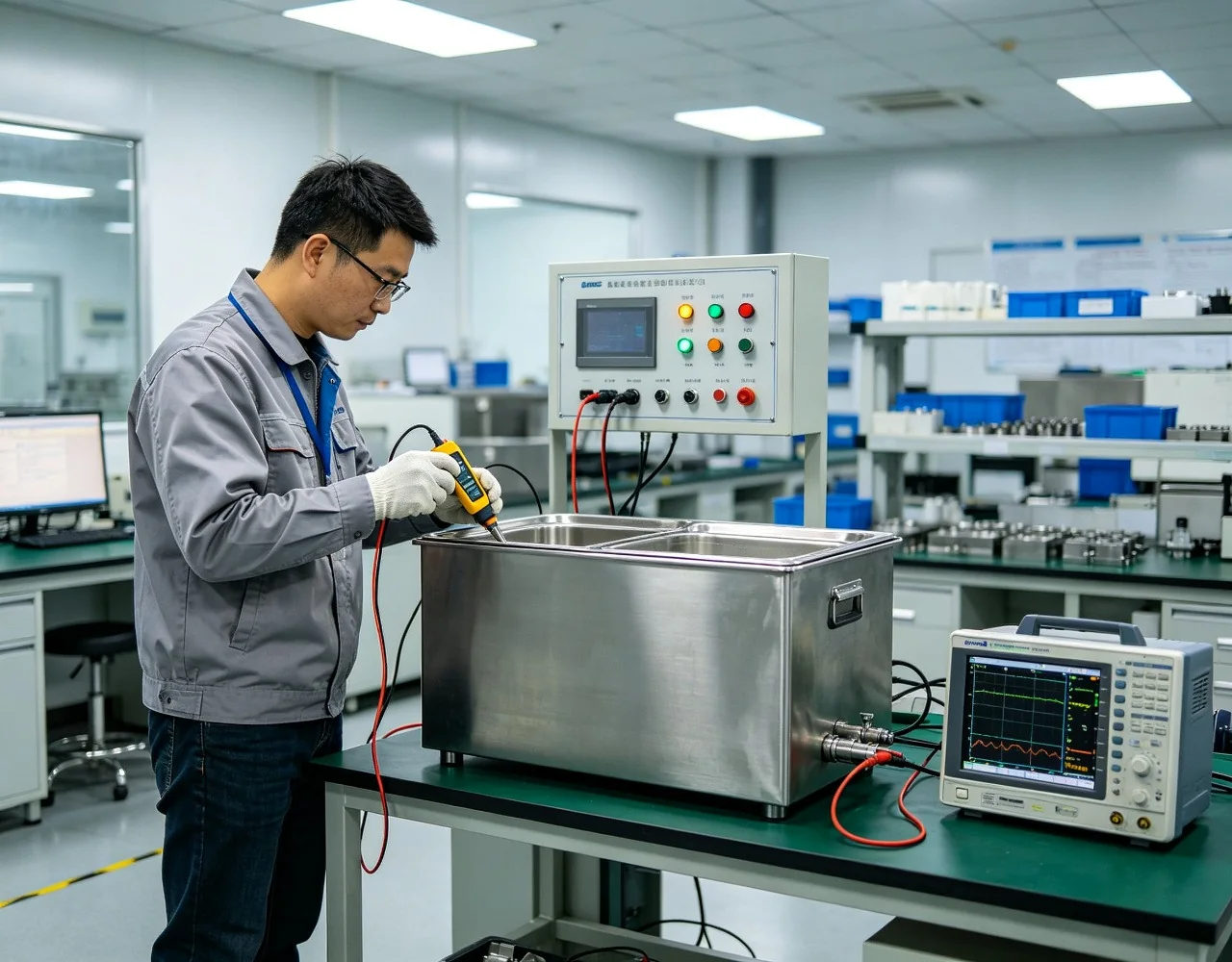
Acceptance criteria are agreed before the trial so the result can guide the next decision.
- IntakeRecord part, soil and target.
- PlanSelect trial chemistry and conditions.
- CleanRun controlled process trials.
- InspectCompare with the agreed method.
- ConfigureRecommend stages and equipment.
Send With Samples
Project information
- Part drawing or maximum dimensions
- Material and surface treatment
- Contamination description
- Cleanliness acceptance method
- Parts per load and required output
- Site utilities and footprint limits
Trial Output
Configuration direction
- Observed cleaning result
- Recorded trial conditions
- Recommended process sequence
- Basket and handling notes
- Equipment family recommendation
- Items requiring production confirmation
Trial Cleaning Questions
Prepare useful sample tests
Send parts that represent the material, geometry, heaviest contamination and normal production condition. Include rejected and acceptable references where available.
Provide contamination history, current cleaning method, cleanliness target, parts per load, required output and any chemistry or material restrictions.
The study can record chemistry, time, temperature, ultrasonic frequency, loading observations, rinse and drying needs, and a recommended equipment direction.
No. Production cycle time also depends on batch loading, liquid condition, handling, rinse sequence and equipment scale. These are reviewed during configuration.