Ultrasonic cleaning removes flux and ionic residues from boards with controlled energy and complete drying.
Flux and rosin
Soldered boards can carry rosin and ionic residues that affect reliability and coating. Controlled cavitation reaches under components to remove them.
De-flux chemistry is selected for the flux type.
- Rosin flux
- Ionic residues
- Particles and handling oils
Controlling energy
Frequency, power and exposure are controlled to protect sensitive components, and compatibility is confirmed with the actual board first.
Some sensitive assemblies are not suitable for ultrasound.
Water or solvent
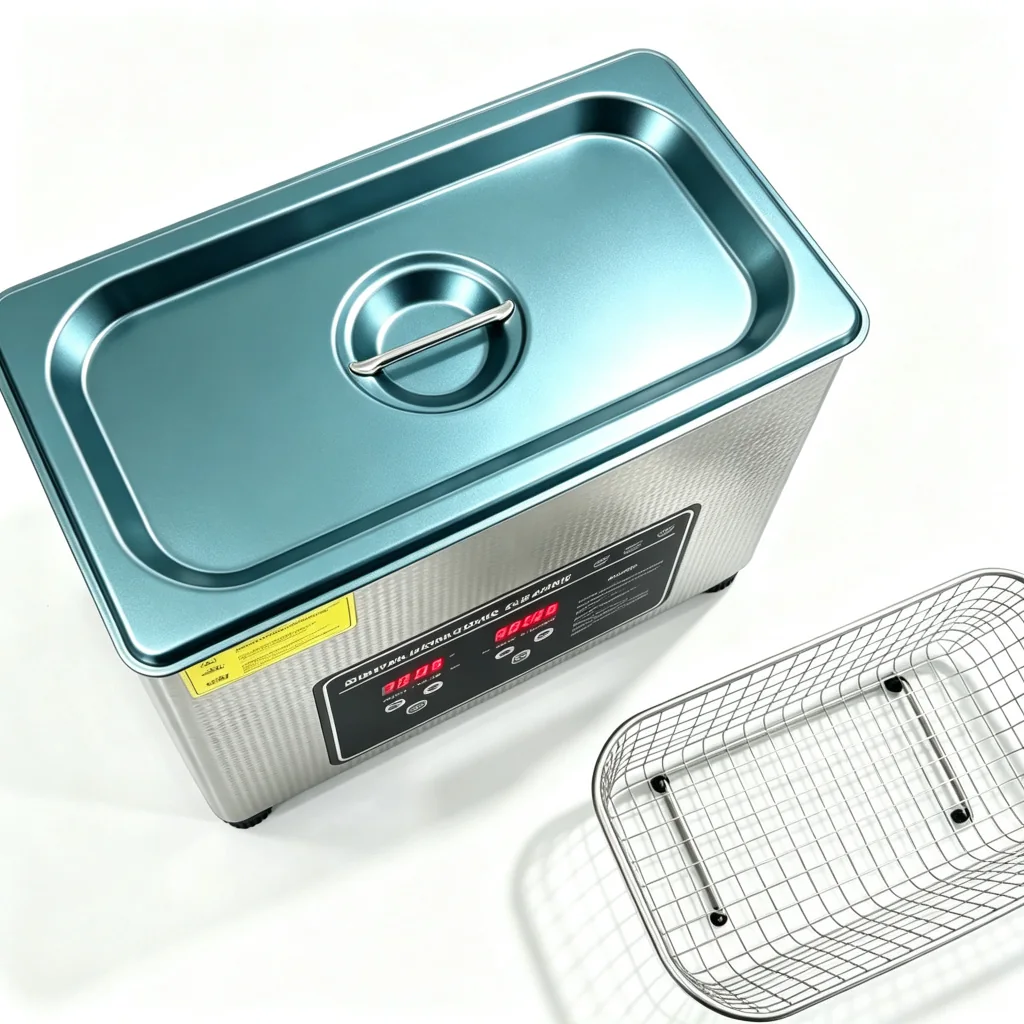
Water-based de-flux is common, while solvent or vacuum systems are used where water is unsuitable or drying is difficult.
Flammable solvents require rated equipment.
Drying and coating
Complete drying, including under components, is required before conformal coating. The residue or ionic result is checked after the cycle.
The process is documented for repeatability.
Quick Answers
Frequently asked questions
It can affect sensitive components if energy is uncontrolled; compatibility is confirmed with the actual board and gentle settings are used.
Water-based de-flux is common; solvent or vacuum systems are chosen when water is unsuitable or drying is difficult.
Trapped moisture under components causes defects and poor coating adhesion, so complete drying is required.