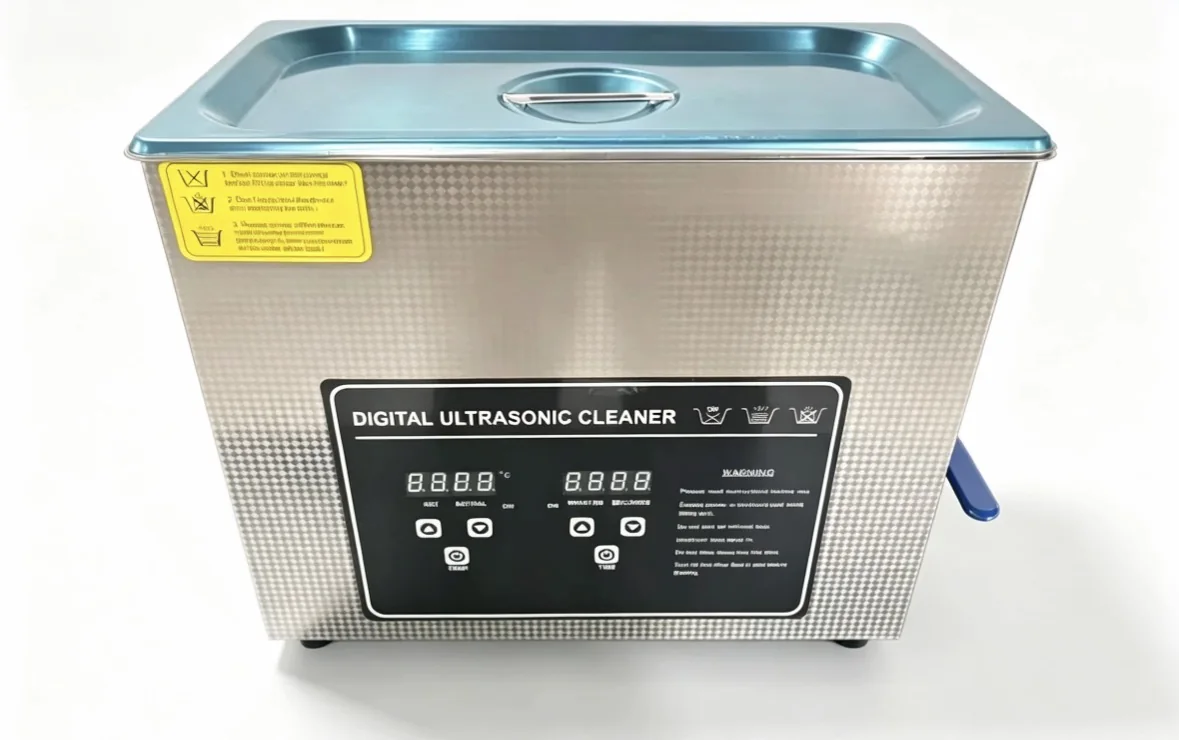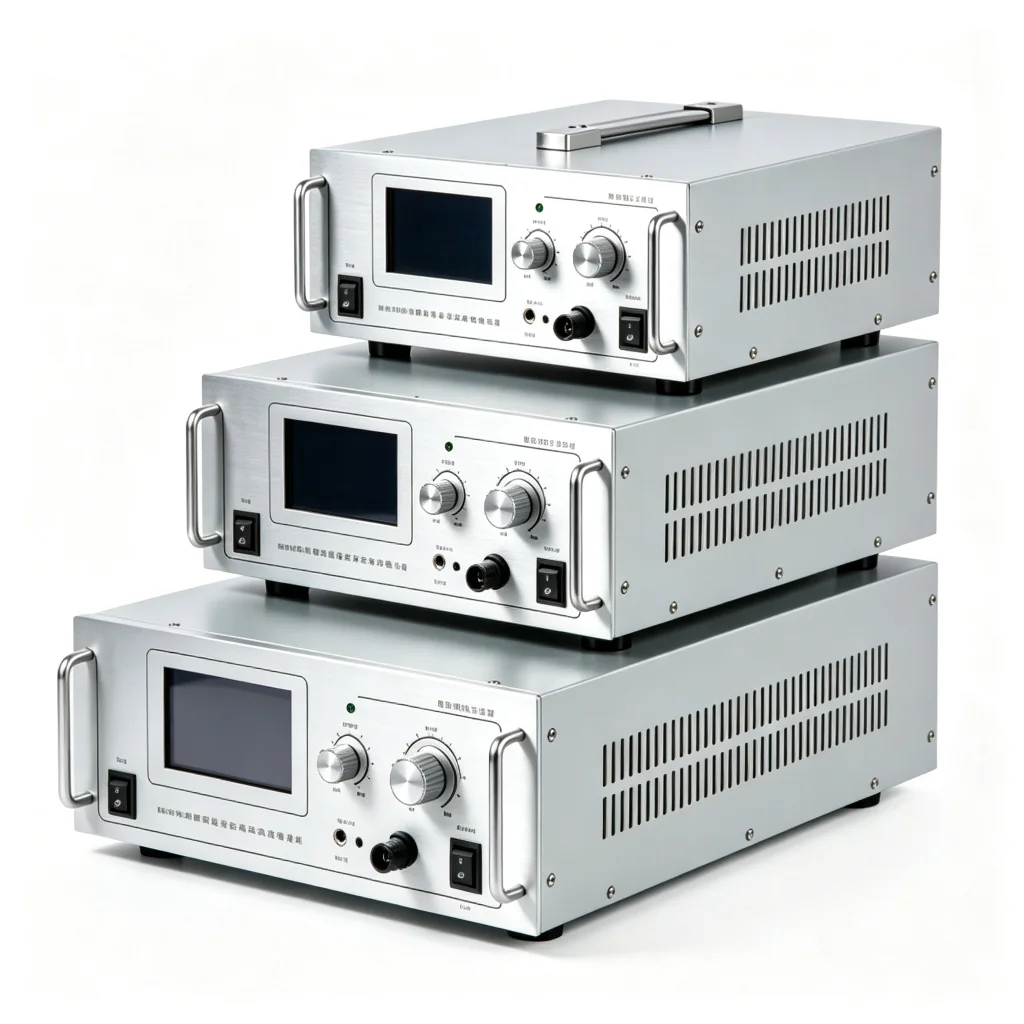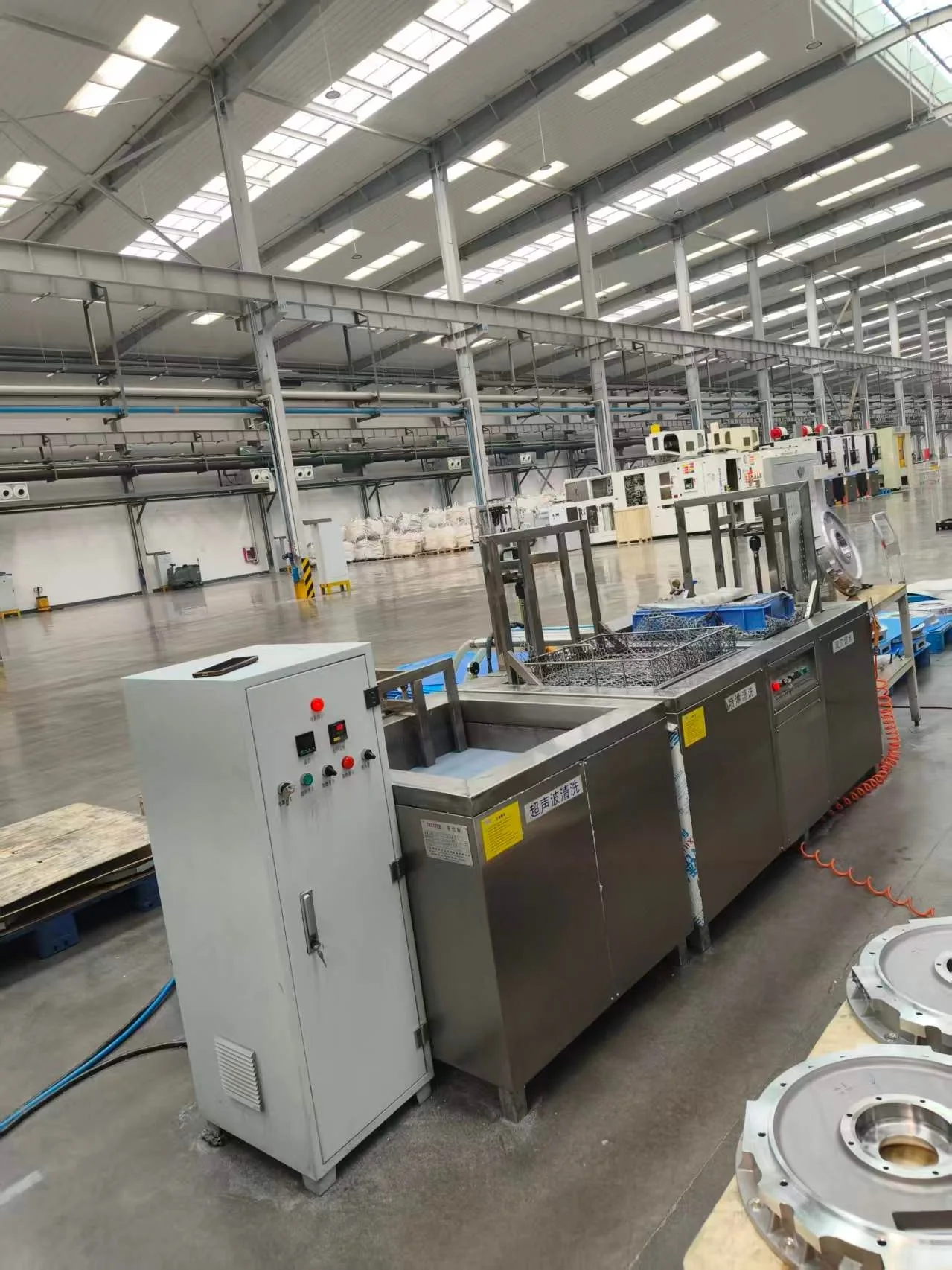
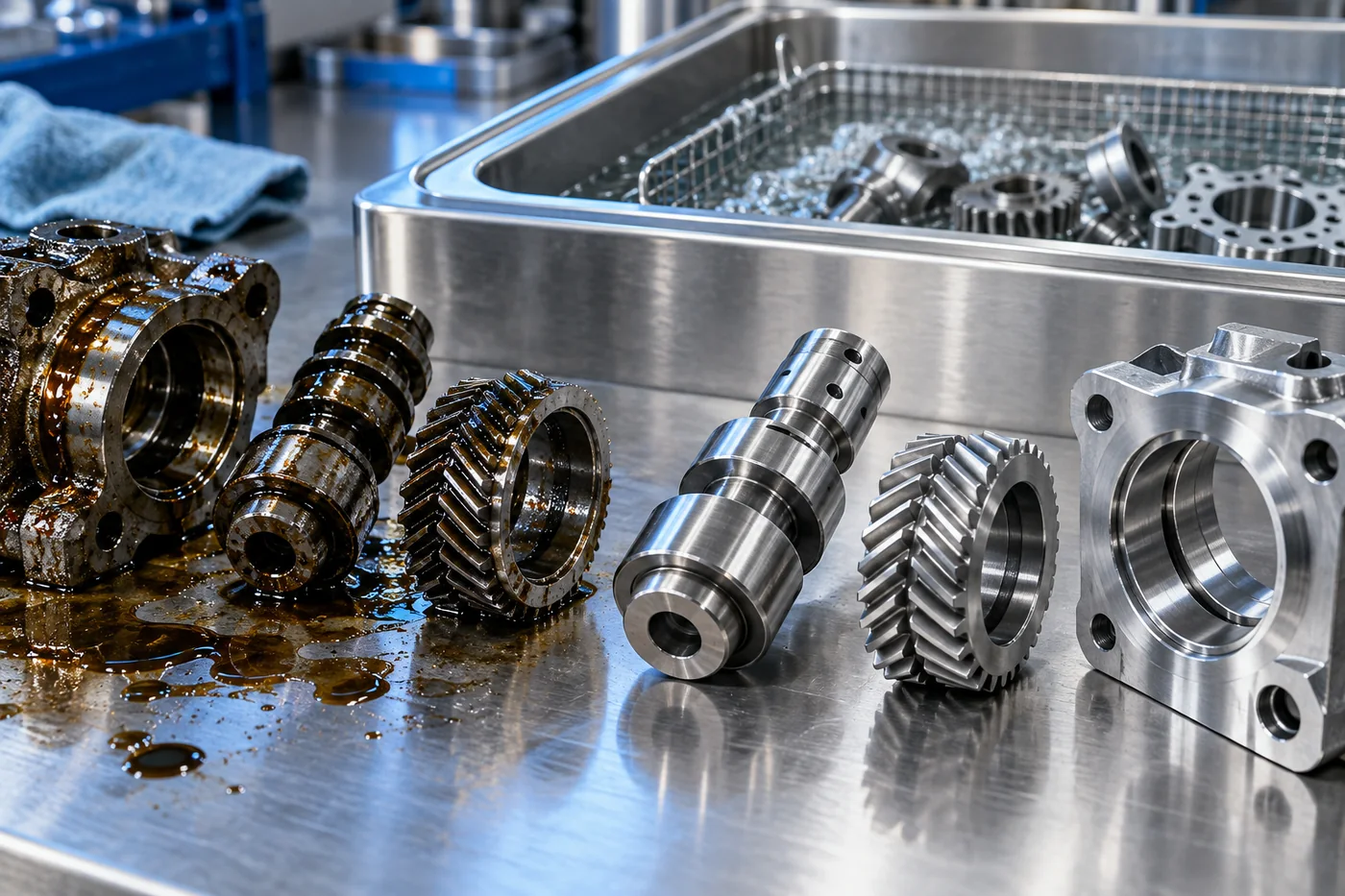
Lower frequencies produce larger, more forceful bubbles; higher frequencies produce finer, gentler cavitation.
20-28 KHz: strong and robust
Low frequencies produce larger bubbles and stronger implosions, suited to heavy oil, grease, carbon, casting and robust metal parts. 28 KHz is a common industrial choice for heavy contamination.
The stronger action is not ideal for delicate or easily damaged surfaces.
- Heavy oil and grease
- Carbon and casting residues
- Robust metal parts
40 KHz: the general default
40 KHz balances strength and coverage and is the most widely used frequency for general industrial parts and mixed work.
It is a sensible starting point when the workload is not clearly heavy or ultra-fine.
60-80 KHz and above: fine and gentle
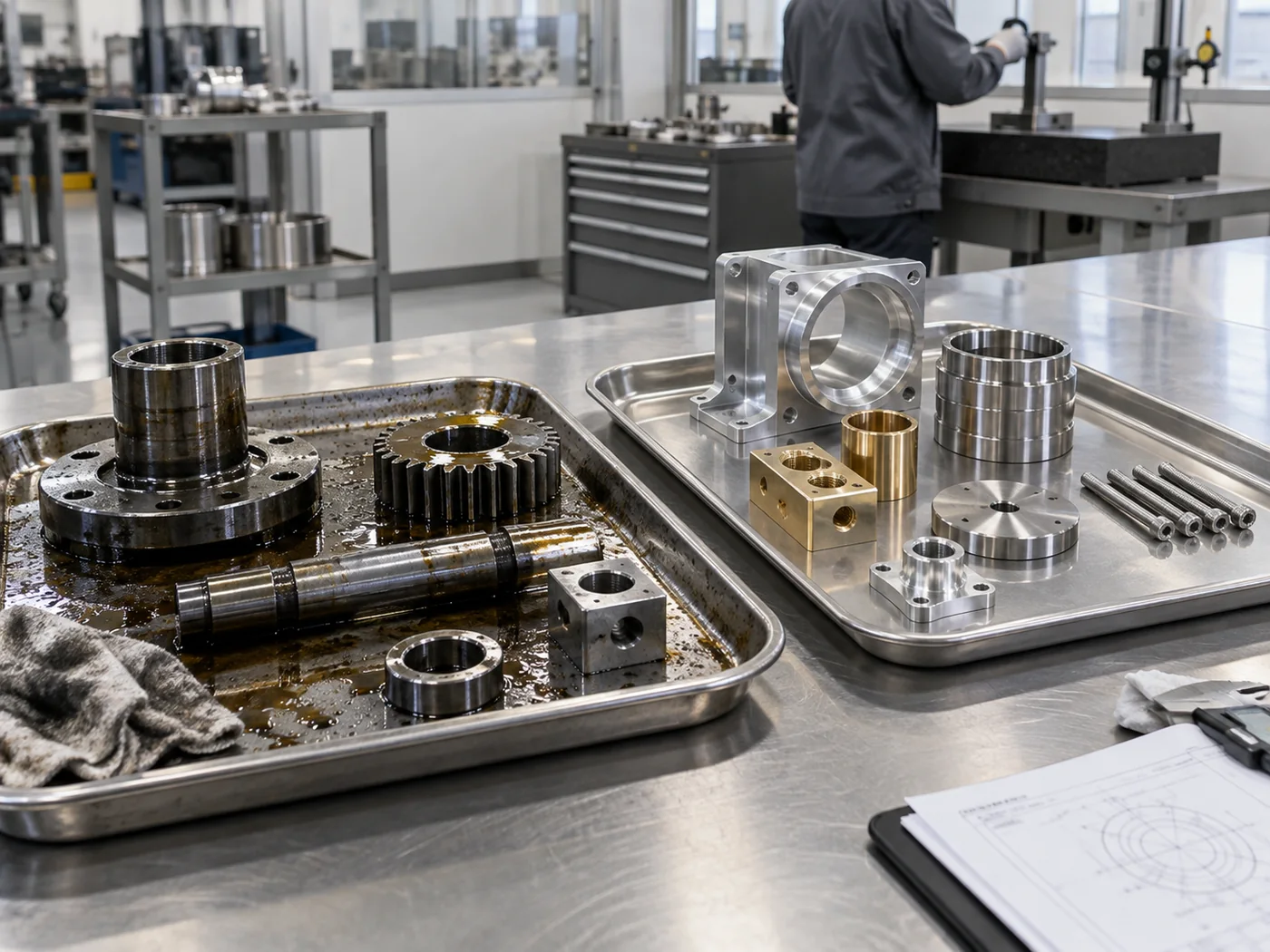
Higher frequencies produce finer, gentler cavitation for fine particles, optical and sensitive surfaces. They are slower on heavy soil but protect delicate parts.
Laboratory, optical, semiconductor and precision work commonly use higher frequencies.
Dual-frequency for mixed work
When a machine handles both robust and delicate parts, a dual-frequency model offers more than one setting. It is worth choosing when the workload genuinely varies.
Frequency is then selected per part rather than compromising with a single setting.
Quick Answers
Frequently asked questions
28 KHz gives stronger action for heavy soil and robust parts; 40 KHz is a balanced default for general work. Choose by the contamination and material.
Not in general; it is gentler and finer, suited to sensitive surfaces and fine particles, while lower frequencies are stronger for heavy soil.
Facilities that clean a genuine mix of robust and delicate parts, so the frequency can be selected per batch.