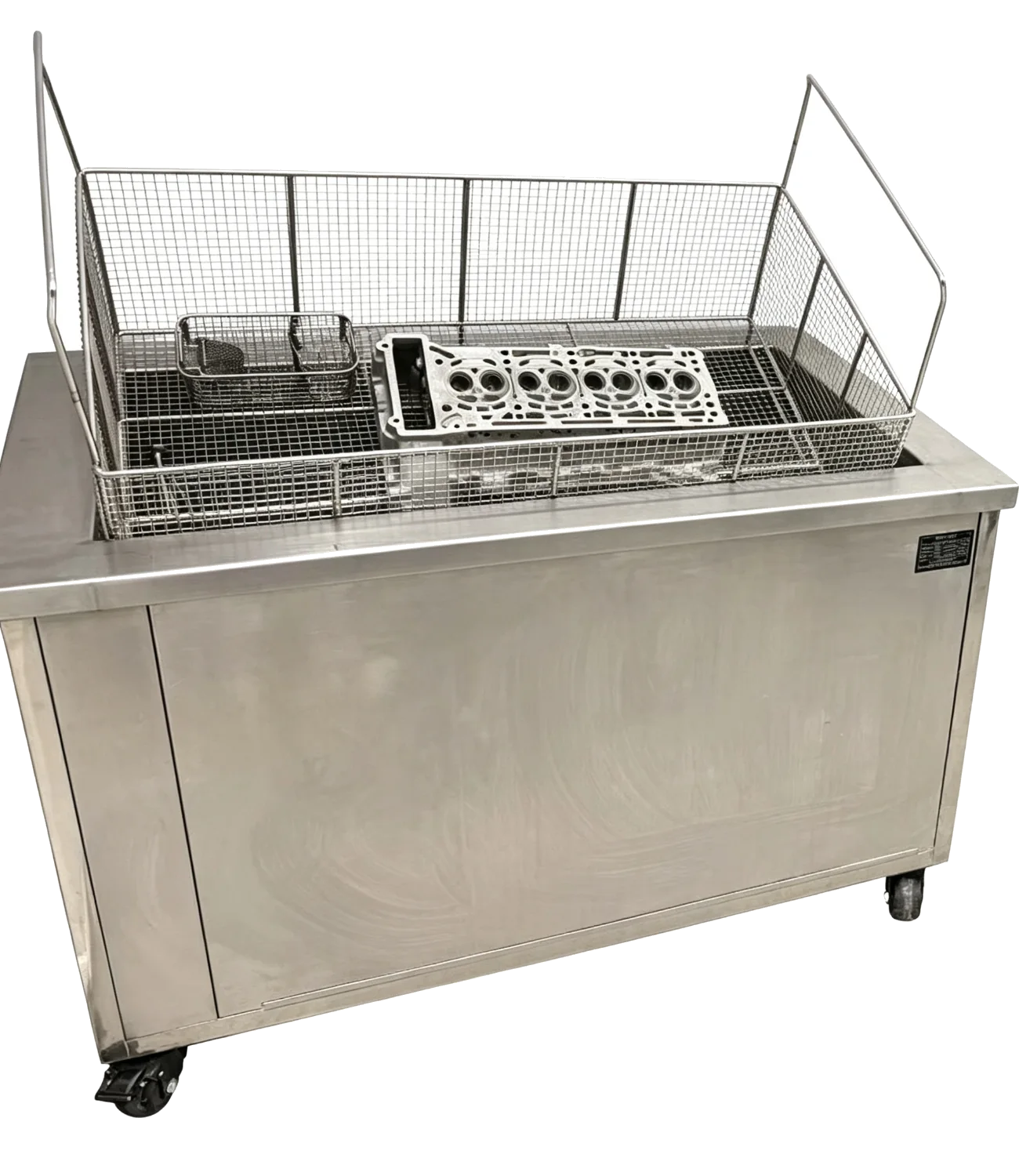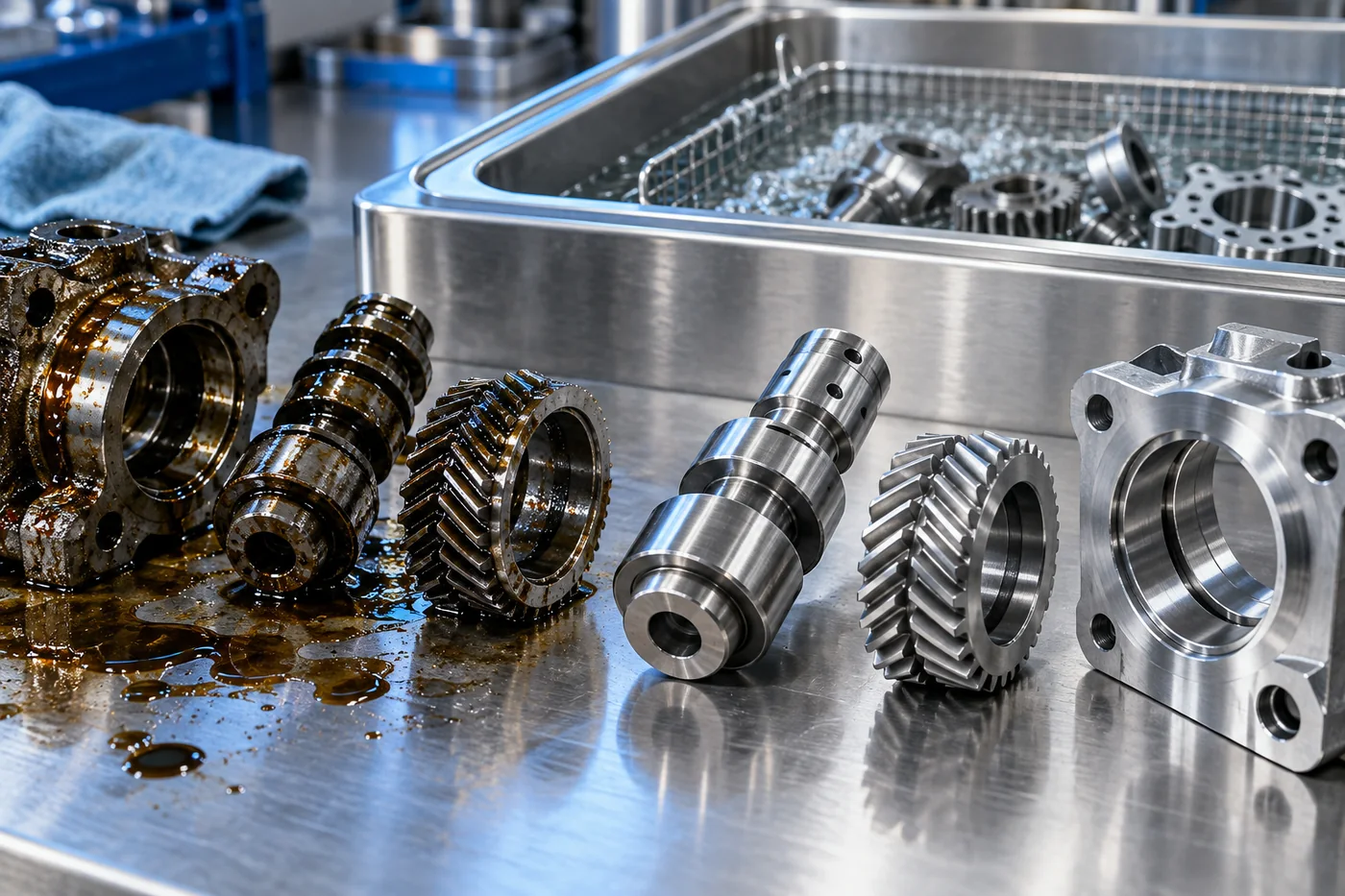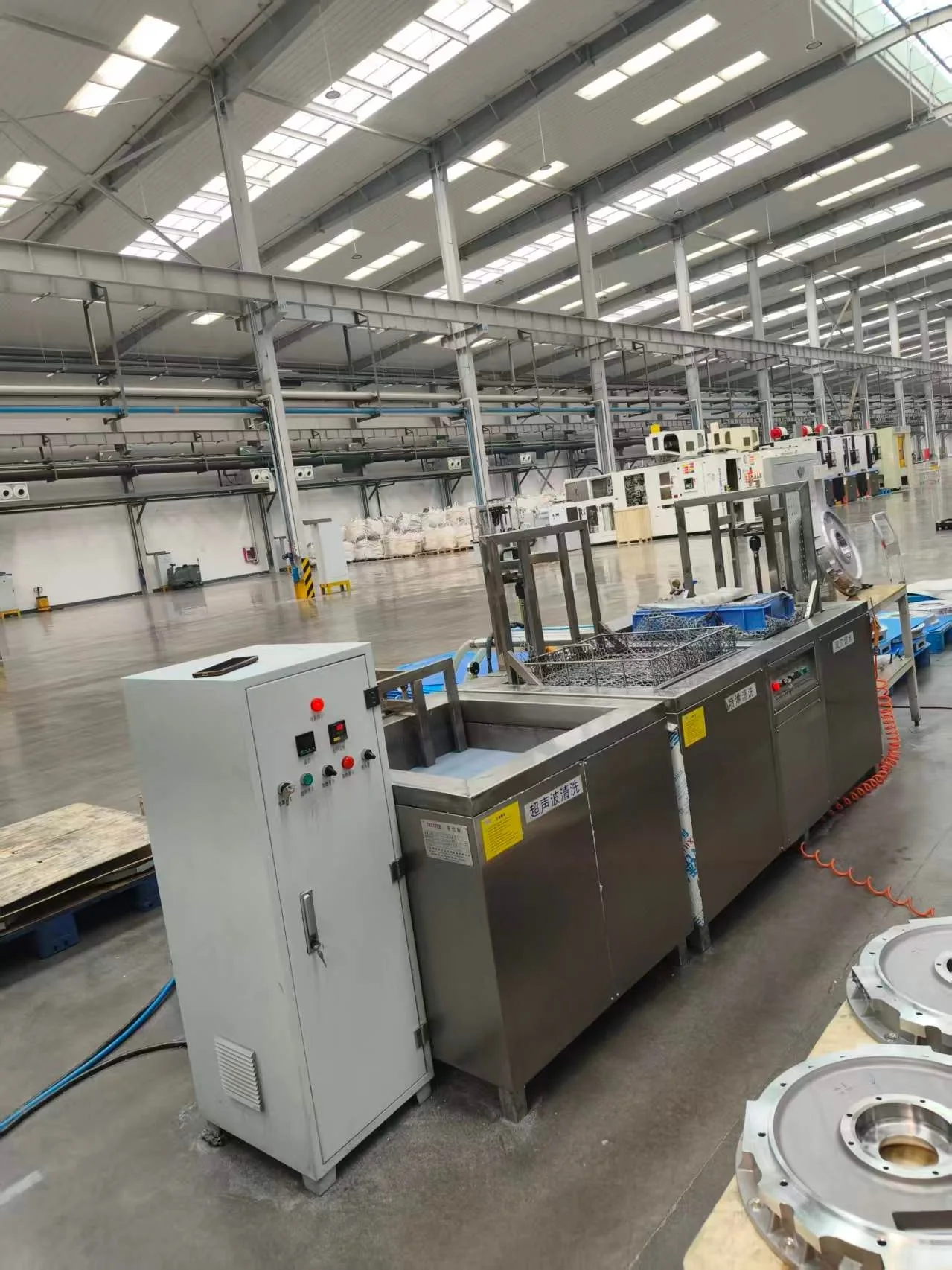
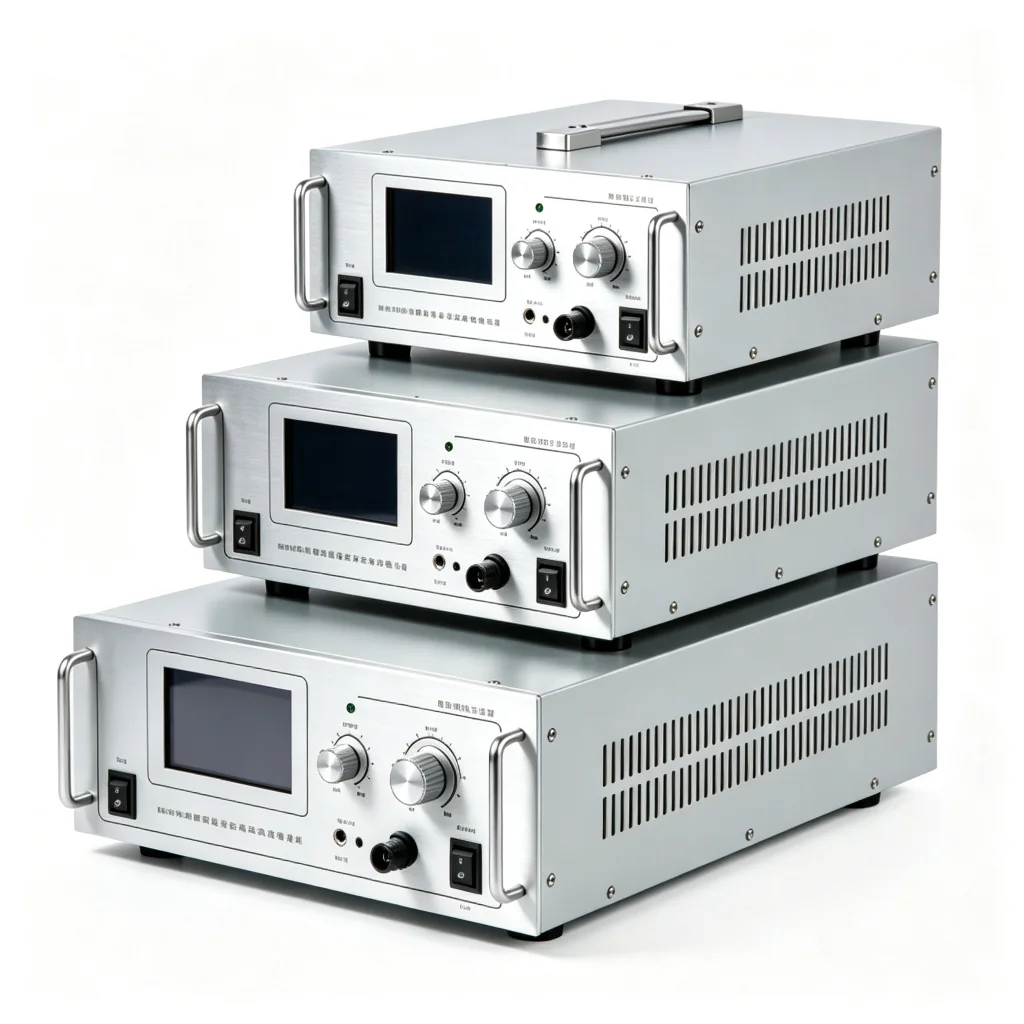
Power density, the ultrasonic watts per litre of bath, tells you whether a tank has enough energy for the contamination.
What power density means
Power density is the ultrasonic power divided by the liquid volume, usually expressed in watts per litre. Two machines with the same tank size can clean very differently if one has far fewer transducers.
It is a more useful comparison than the total wattage alone, because a large tank with a small generator spreads the energy too thinly.
Light, general and heavy soil
Light dust and rinsing need less energy; general oil and grease need a moderate, well-distributed power; heavy carbon, grease, casting sand and burnt-on deposits need higher power or longer cycles.
Industrial machines commonly use clearly higher power than small consumer baths, because the soil loading and production demand are greater.
- Light dust: lower energy
- General oil: moderate power
- Carbon and grease: higher power
Power and cycle time trade off
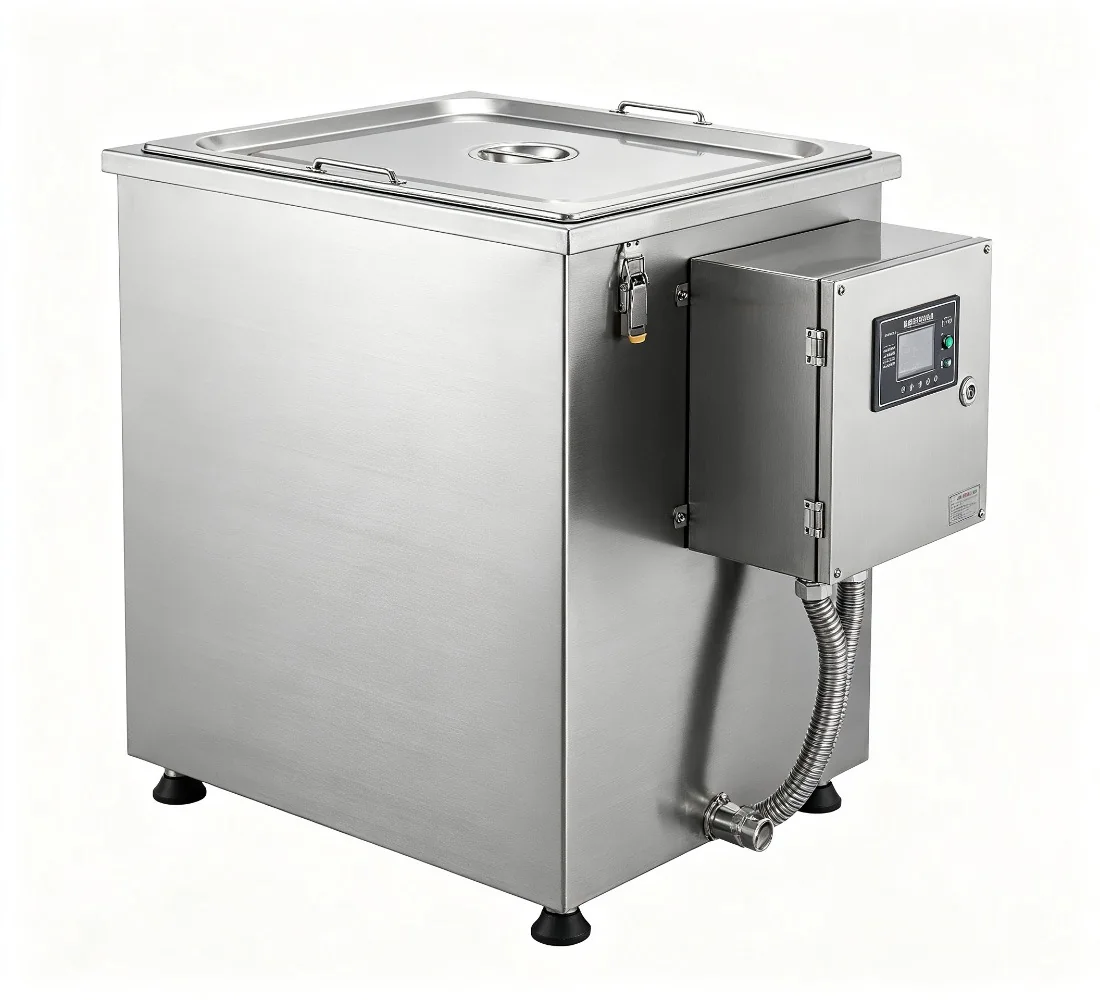
Higher power can shorten a cycle, while a lower-power machine may reach the same result more slowly. In production, the cost of labour and the throughput target usually justify adequate power.
Power that is too aggressive for a delicate part is a separate problem, solved with frequency and gentle settings rather than by underpowering the whole bath.
Check the generator and transducers
The generator, transducers and tank must be matched. A reliable machine specifies the generator, the number and placement of transducers and the real ultrasonic power rather than a marketing wattage.
Adjustable power is useful when the same machine handles both robust and more delicate work.
Quick Answers
Frequently asked questions
It depends on the soil: light work needs less energy, while general and heavy industrial cleaning use higher power density. LENJEX confirms the figure from the contamination and target cycle.
It shortens cycles for heavy soil, but delicate parts need controlled frequency and power. Adjustable power is the practical answer on mixed work.
Commonly the tank is underpowered for its volume, so the energy is spread too thinly. Compare power density and the real transducer count rather than nominal watts.