Most purchasing mistakes come from comparing litre ratings and prices instead of the process, the power and the actual part.
Buying on litres and price alone
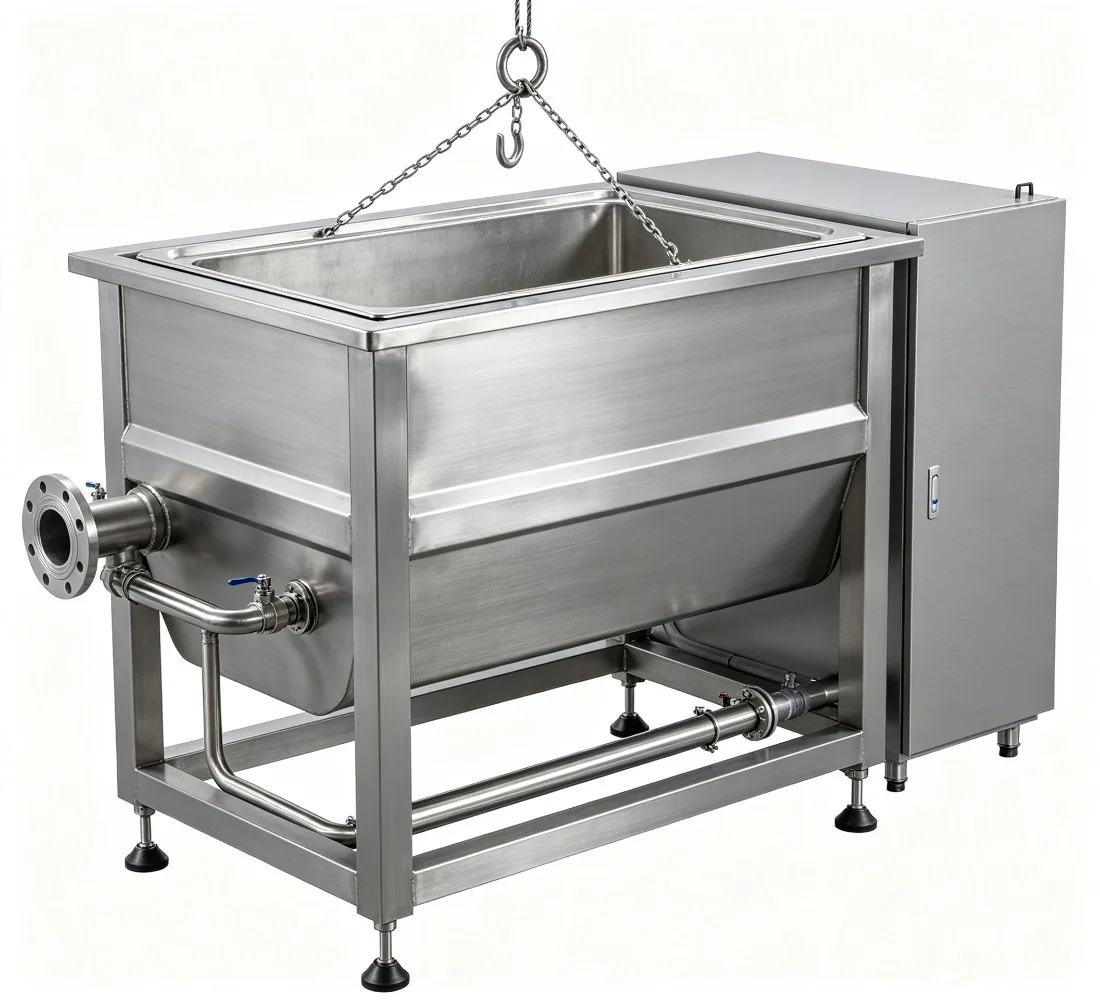
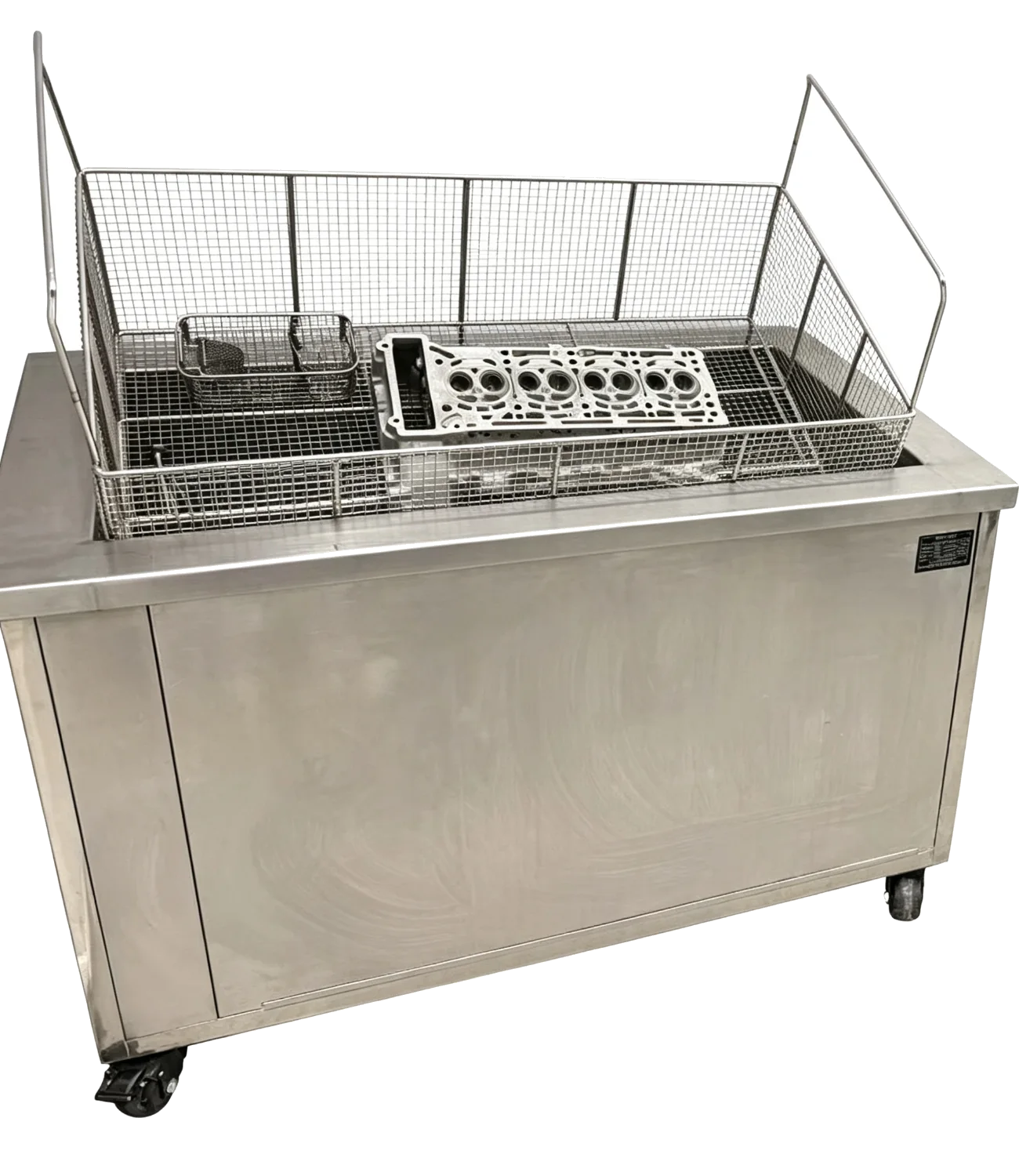
Two machines with the same nominal litres can have very different power, transducer placement and construction. A cheap tank that is underpowered or lightly built will disappoint in production.
Compare power density, the real ultrasonic power and the fabrication quality.
- Power density
- Transducer count and placement
- Wall and build quality
Ignoring rinsing and drying
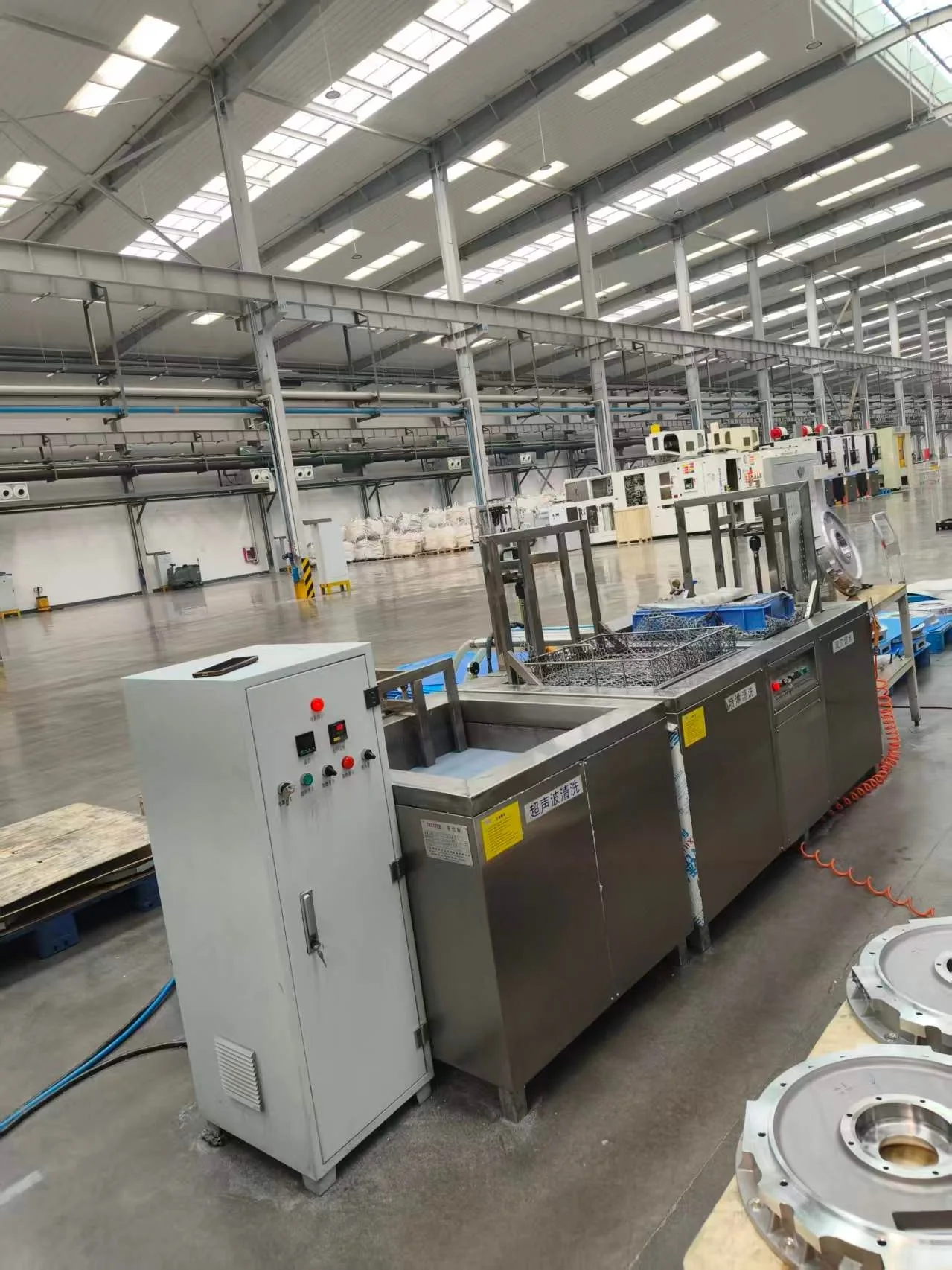
A wash that is not followed by proper rinse and dry can leave detergent, spots or corrosion. Buyers sometimes focus on the wash tank and discover later that the parts are wet or marked.
Define the full wash-rinse-dry requirement, especially for blind holes.
Choosing the wrong frequency
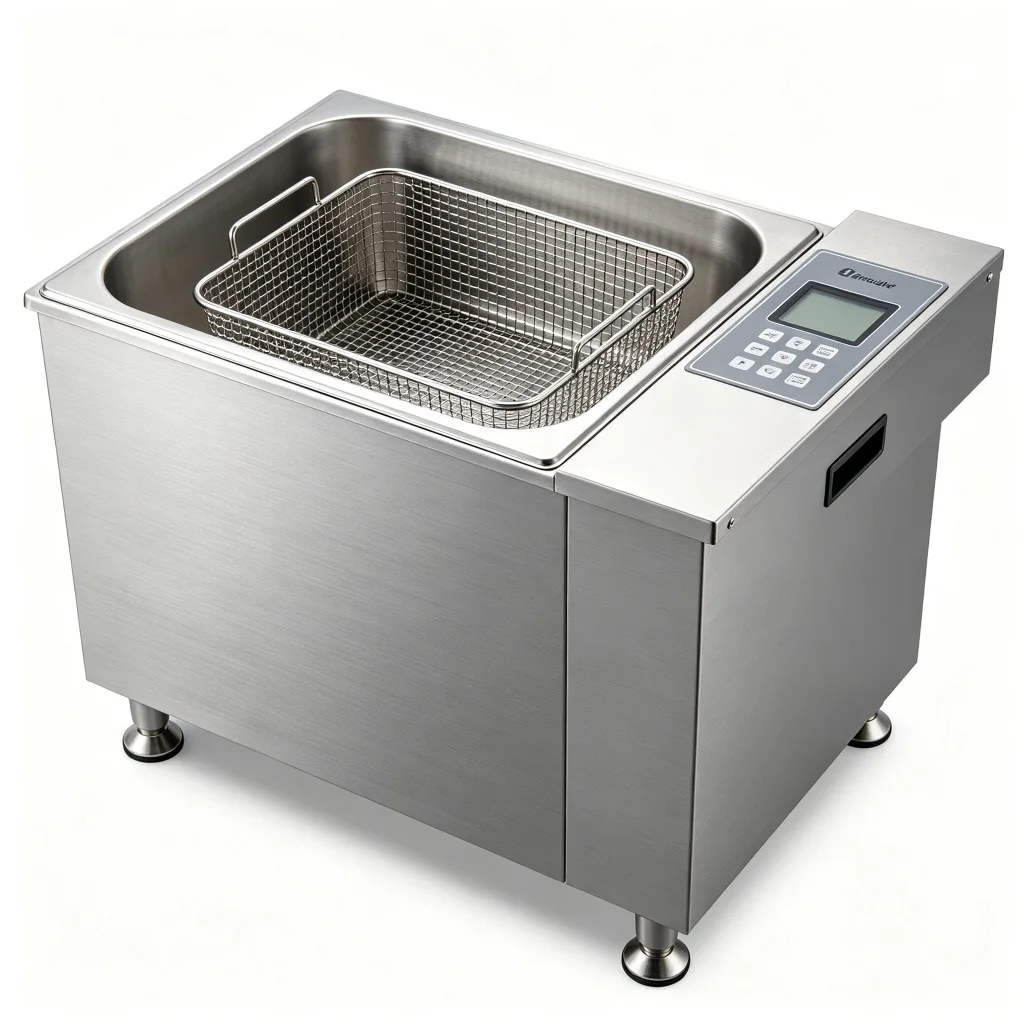
A low frequency is powerful but not a universal choice, while a high frequency is gentle but slower on heavy soil. Frequency should be matched to the part and contamination.
Dual-frequency machines help when the workload is genuinely mixed.
Skipping trial cleaning
Buying without a trial risks a configuration that cannot reach the required cleanliness. A trial also sets the cycle time, chemistry and handling before the order is placed.
It is the most direct way to compare suppliers on the same part and acceptance method.
Forgetting service and spares
Industrial equipment needs support, documentation and occasional spare parts. Confirm the warranty, service response and availability of panels, heaters and transducers before purchase.
A supplier that can support the machine over years reduces project risk.
Quick Answers
Frequently asked questions
Buying a tank by nominal litres or price without checking power density and construction. The real part and a trial clean are the safest comparison.
Confirm power density, frequency, chemistry and the full wash-rinse-dry sequence with a representative part before ordering.
They add cost, but when they prevent rework, spots or manual handling they are usually justified in production.