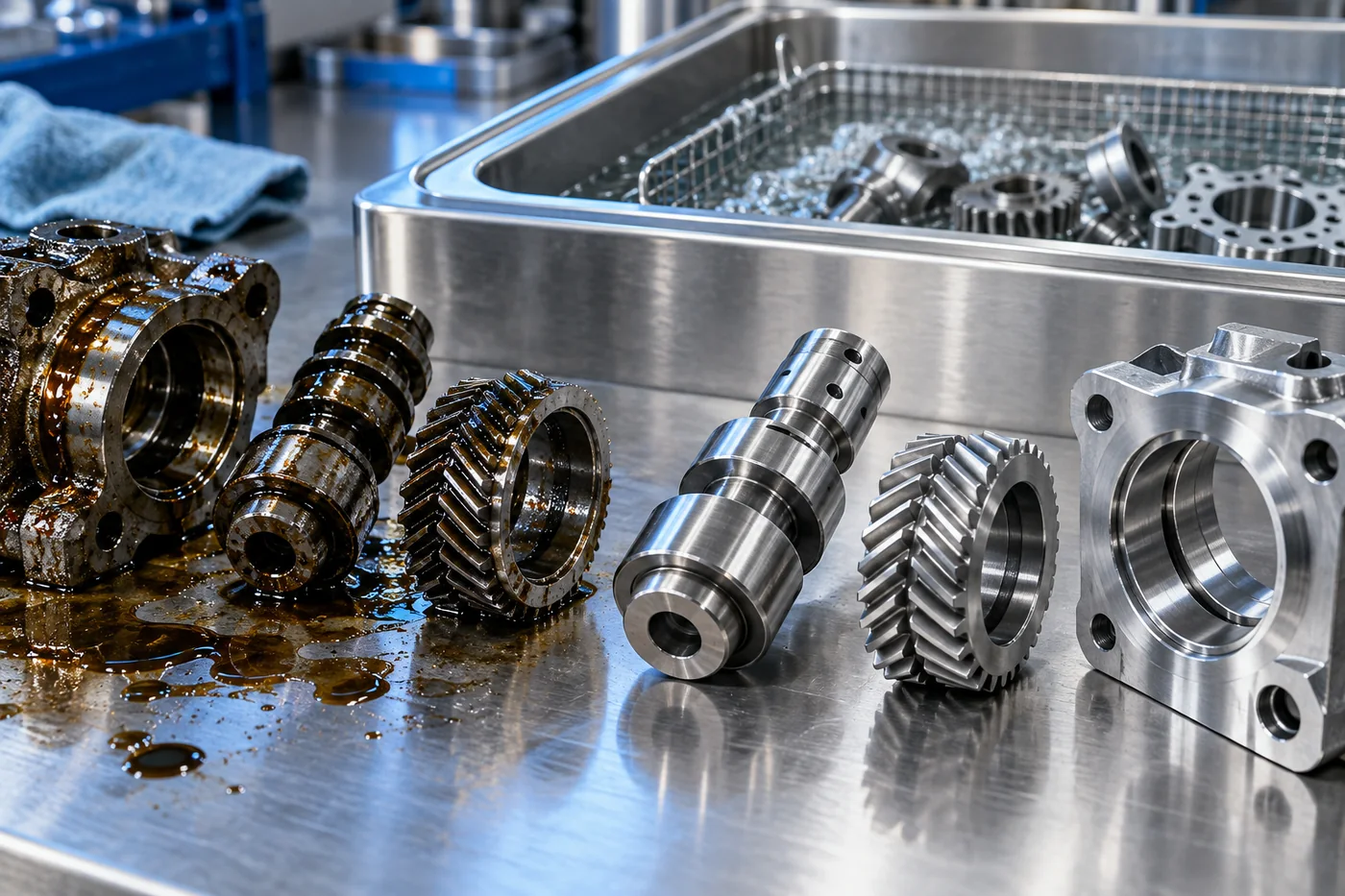
Ultrasonic cleaning works through cavitation: high-frequency sound creates and collapses microscopic bubbles that dislodge contamination.
From sound to bubbles
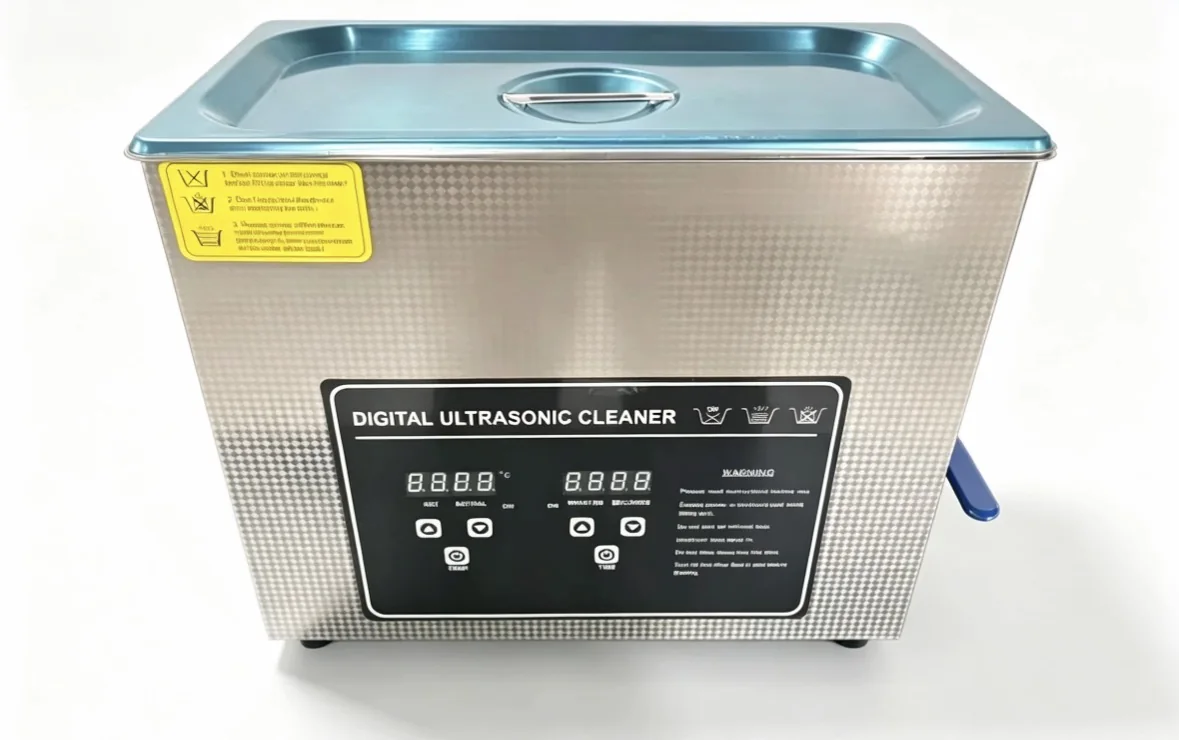
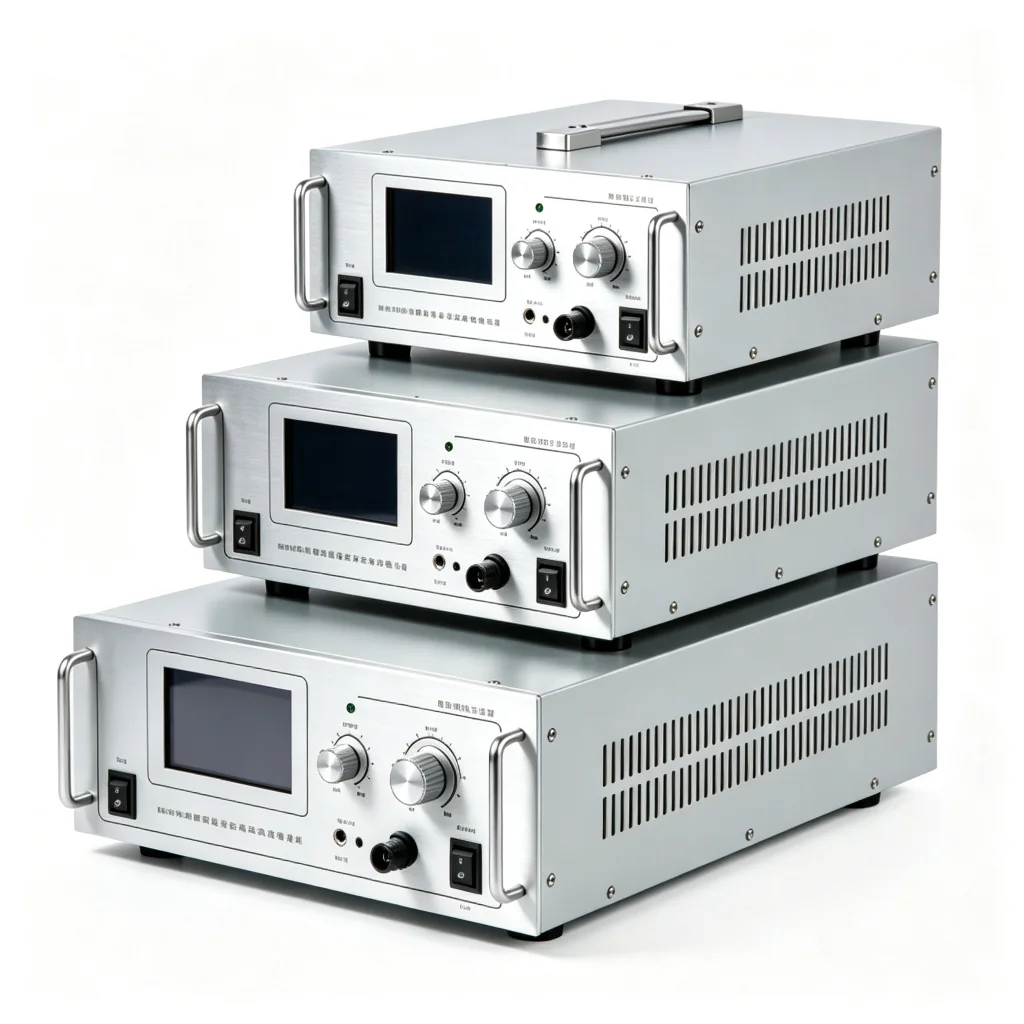
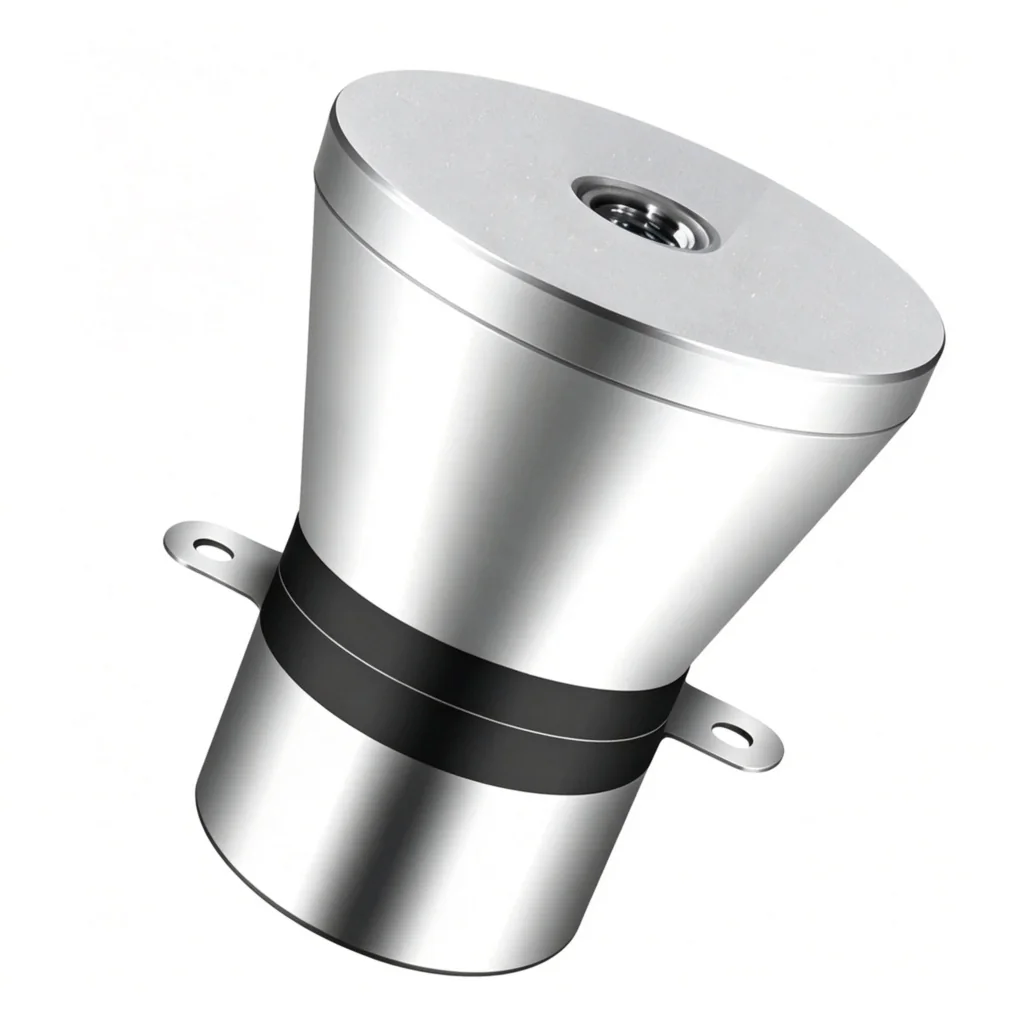
A generator sends high-frequency electrical energy to transducers bonded to the tank, which vibrate the liquid. During the low-pressure phase, microscopic bubbles form; during the high-pressure phase, they collapse violently.
Each collapse releases local energy that lifts contamination from the surface, even in small gaps and recesses.
- Generator produces high-frequency energy
- Transducers vibrate the liquid
- Bubbles form and collapse
- Energy dislodges soil
Why it reaches complex geometry
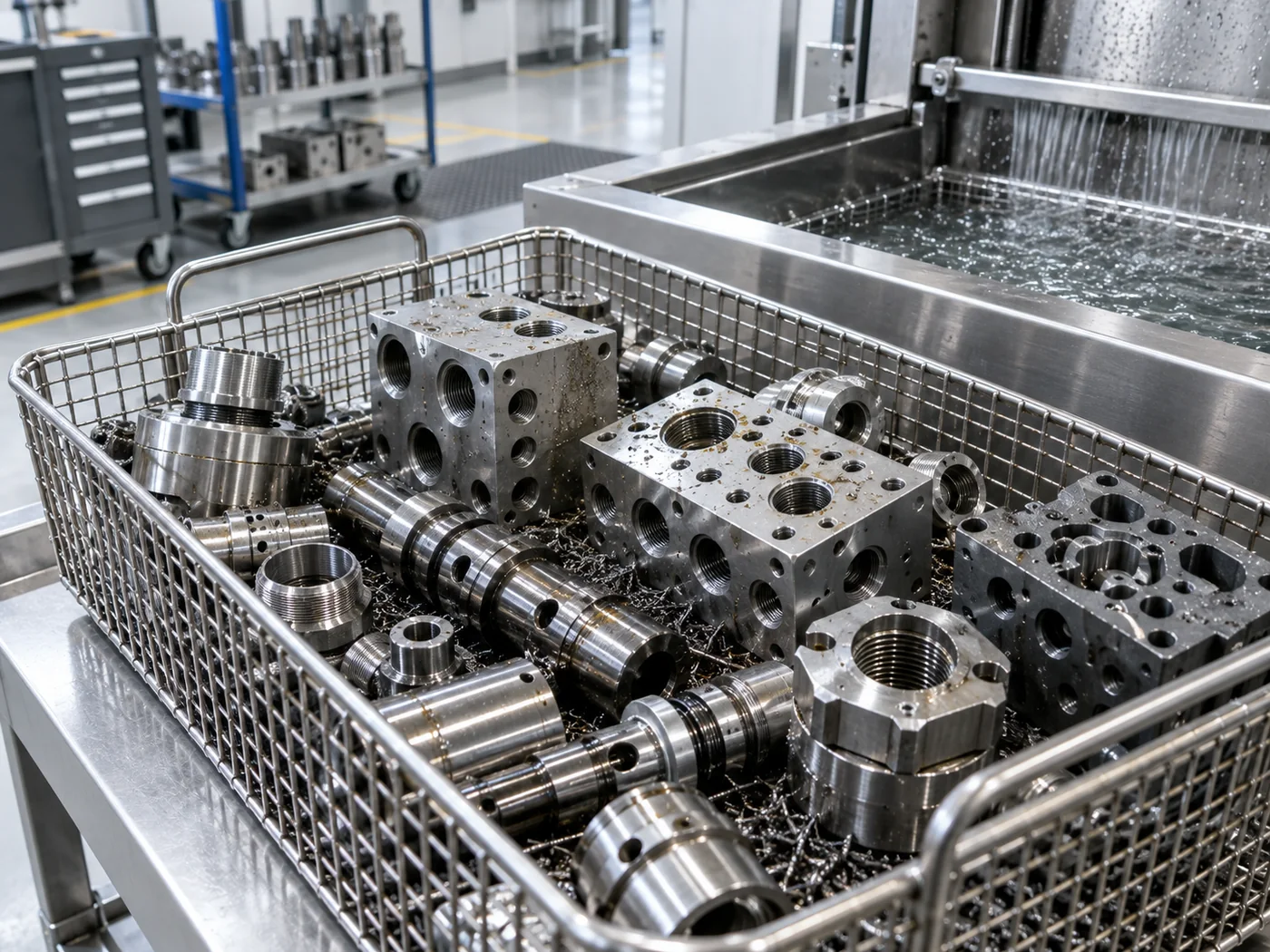
Because the cleaning happens throughout the liquid rather than along a spray line, cavitation reaches blind holes, threads, channels and stacked surfaces that brushing or spraying miss.
The parts must still be loaded so liquid can reach them, and very dense loads may need agitation.
The role of chemistry
Cavitation is mechanical, but the detergent supplies the chemistry that breaks the bond between oil and the surface. Cavitation and chemistry work together, not as alternatives.
Water-based detergents or compatible solvents are chosen for the soil and material.
What controls the strength
Frequency controls bubble size and implosion energy, power density controls how much energy is available, and temperature and dissolved gas affect cavitation.
Degas removes dissolved gas that would otherwise absorb energy.
Quick Answers
Frequently asked questions
Cavitation is the rapid formation and collapse of microscopic bubbles under high-frequency sound. The collapses release local energy that dislodges contamination.
Yes when frequency, power, temperature and chemistry are matched to the material; compatibility is confirmed with a representative part.
The transducers vibrate the liquid, so an incorrect level or parts resting on the tank floor weaken cavitation and can affect the machine.