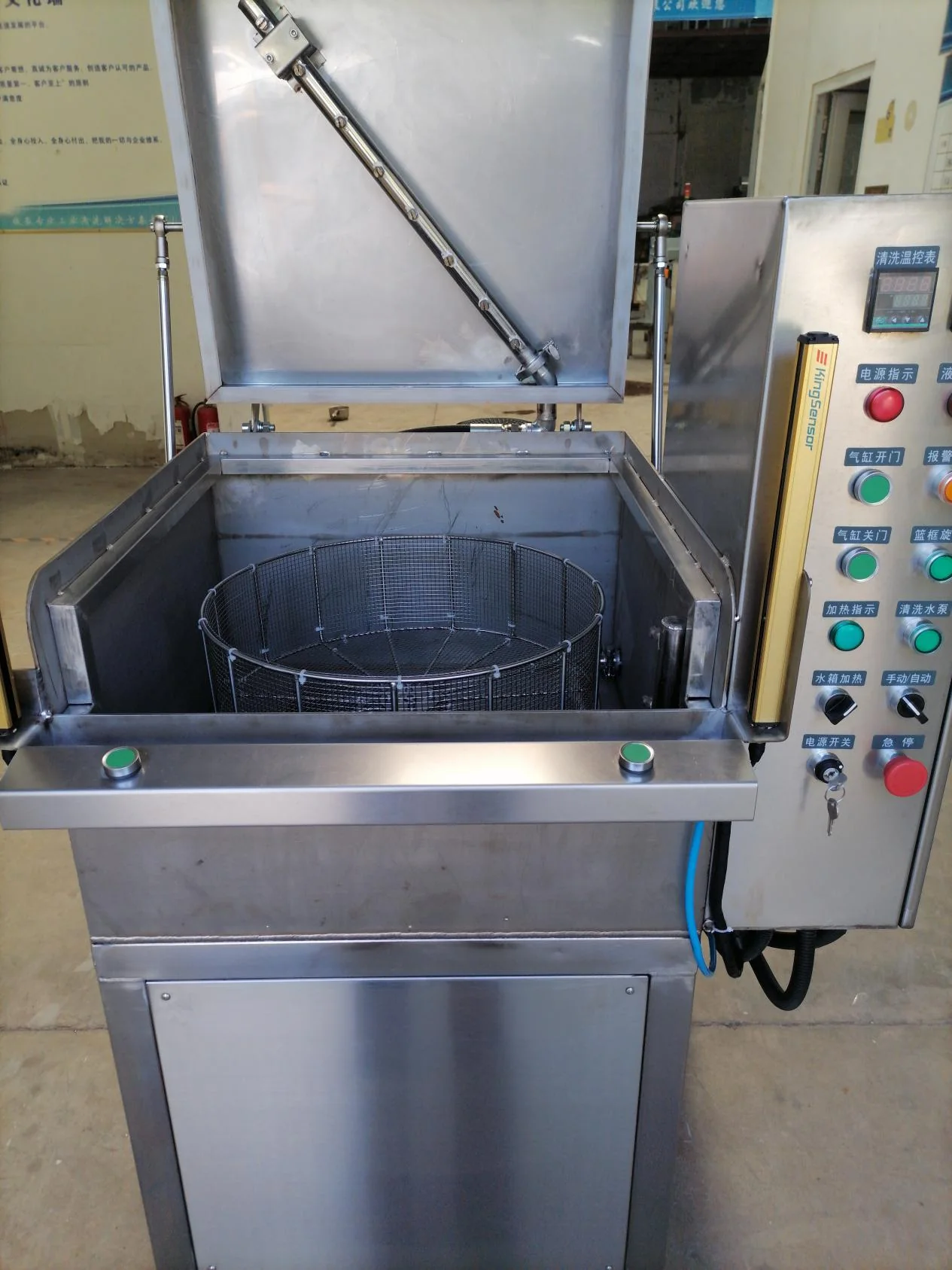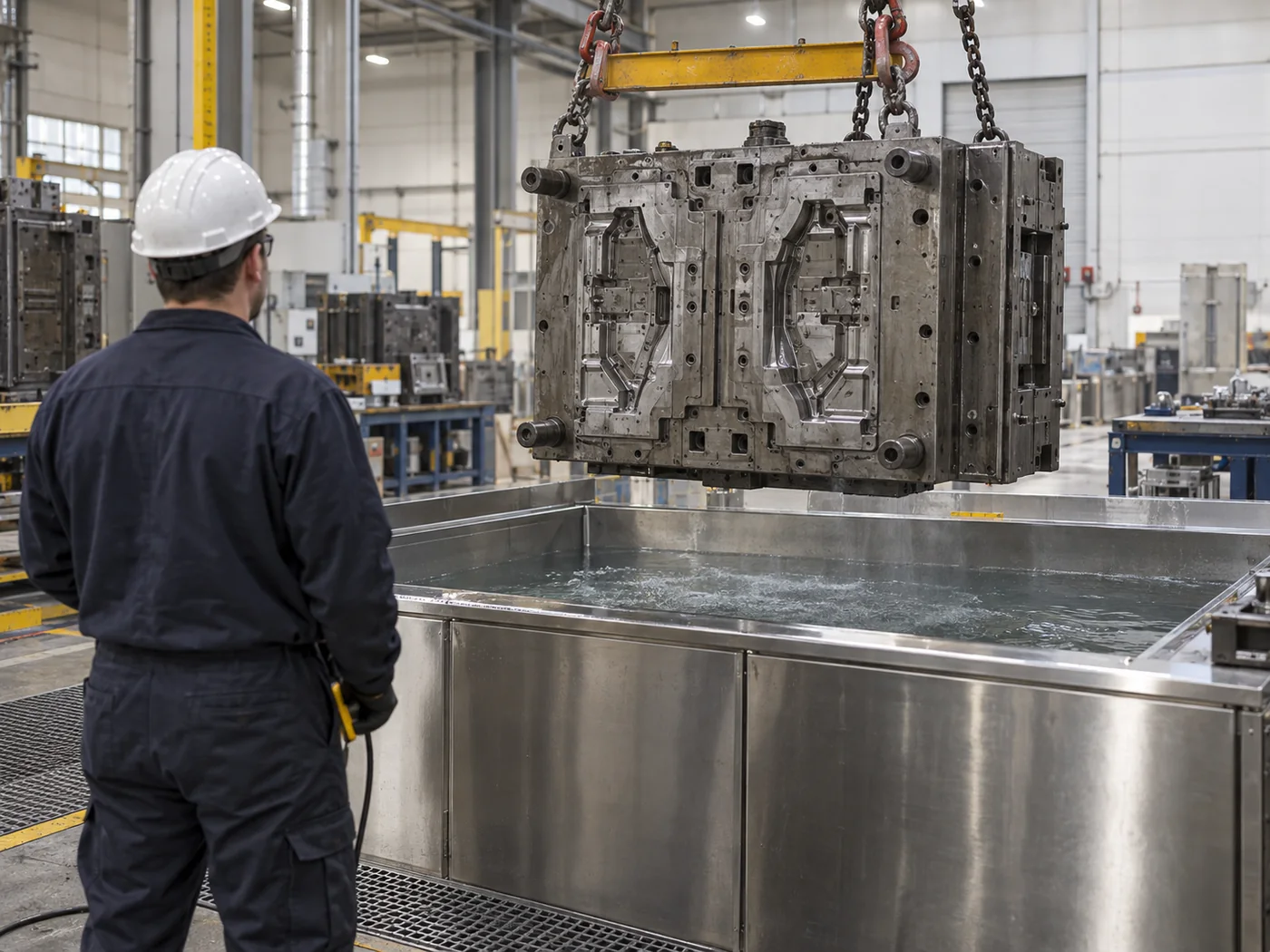
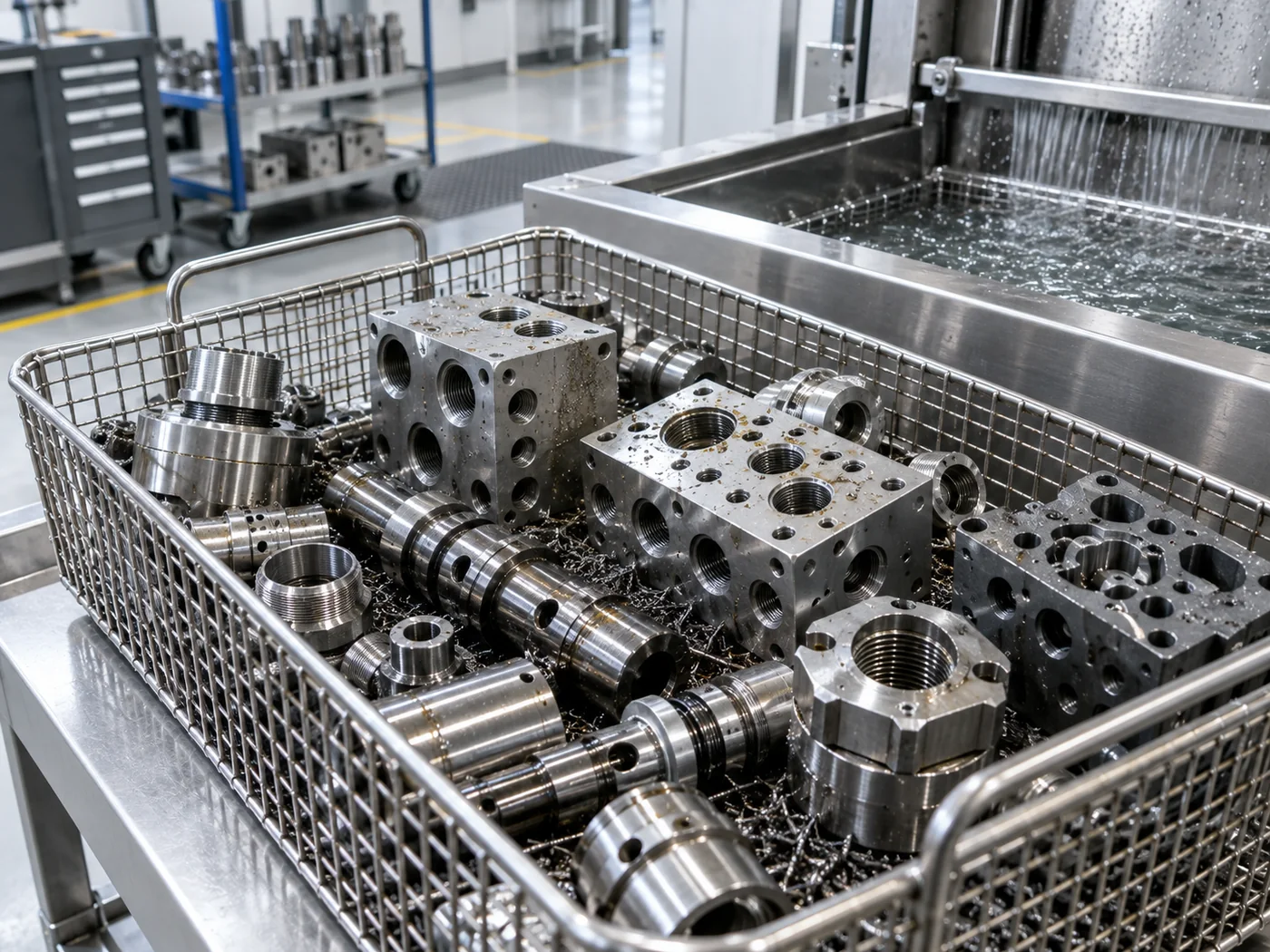
Ultrasonic cleaning removes carbon and oil from carburetors, cylinder heads, pistons and fuel parts, including passages.
Parts that benefit
Carburetors, throttle bodies, cylinder heads, pistons, valves, injectors and fuel parts commonly carry oil, varnish and carbon. Cavitation reaches passages and small features that manual cleaning misses.
Parts should be disassembled before cleaning.
- Carburetors and throttle bodies
- Cylinder heads and pistons
- Valves and injectors
- Fuel components
Carbon and varnish
Hard baked carbon and fuel varnish often need a heated bath with a carbon-removal chemistry and, for very heavy deposits, a pre-soak.
The cycle time is set by a trial clean.
Reaching passages
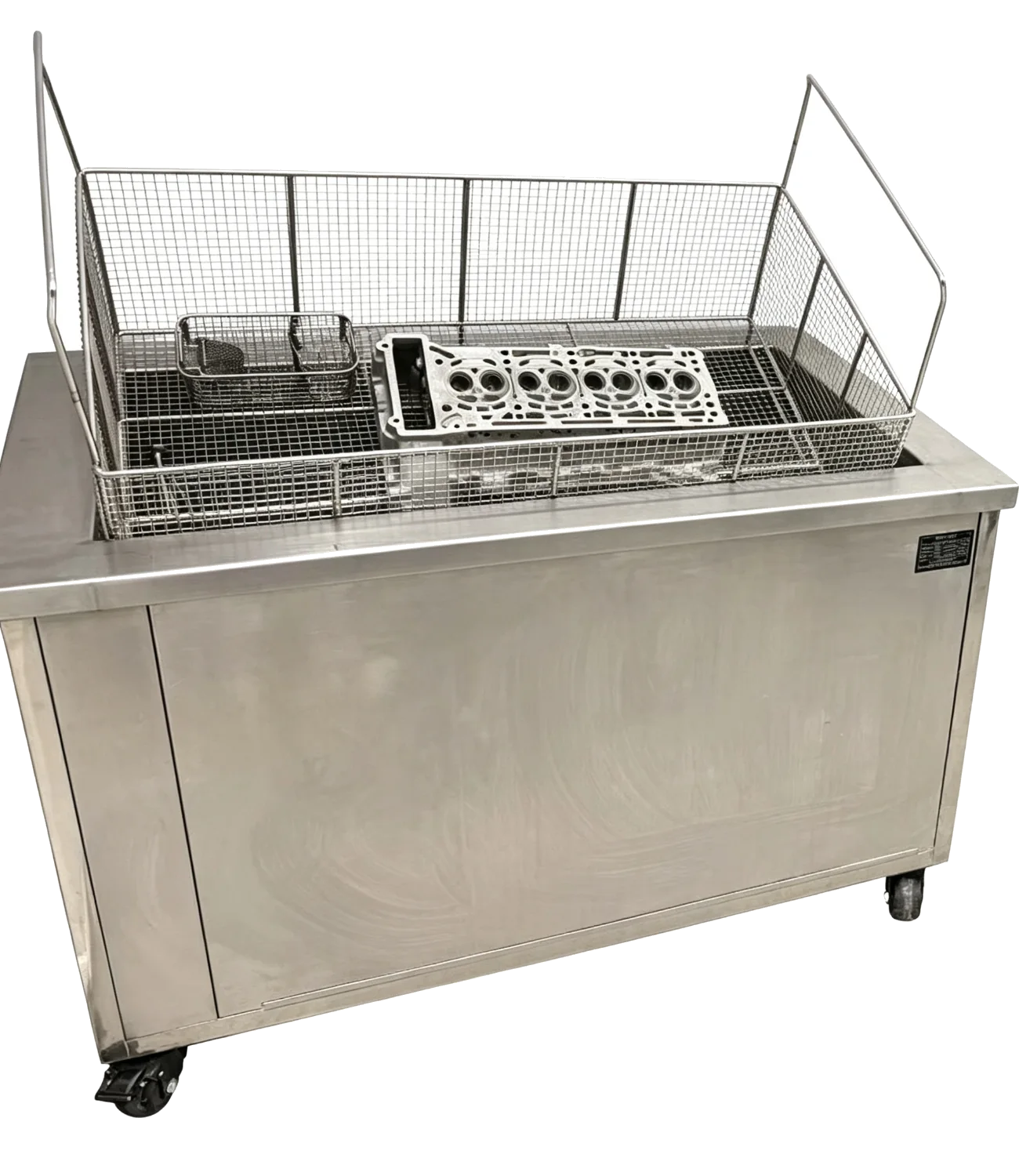
Carburetor and fuel passages are small and complex, so the parts must be disassembled and the liquid able to flow. Filtration catches loosened carbon.
Dense or stacked loads may need agitation.
Rinsing and drying
Rinsing removes loosened carbon and chemistry, followed by drying and lubrication of parts that need it before reassembly.
Aluminum components are validated for the chemistry and temperature.
Quick Answers
Frequently asked questions
Yes. Heated cavitation with carbon-removal chemistry cleans passages and surfaces, usually after disassembly; heavy varnish may need a pre-soak.
It varies with the carbon and part; a trial cycle sets the time and the parts should be disassembled first.
With controlled chemistry and temperature, yes, validated against the alloy to avoid staining.