
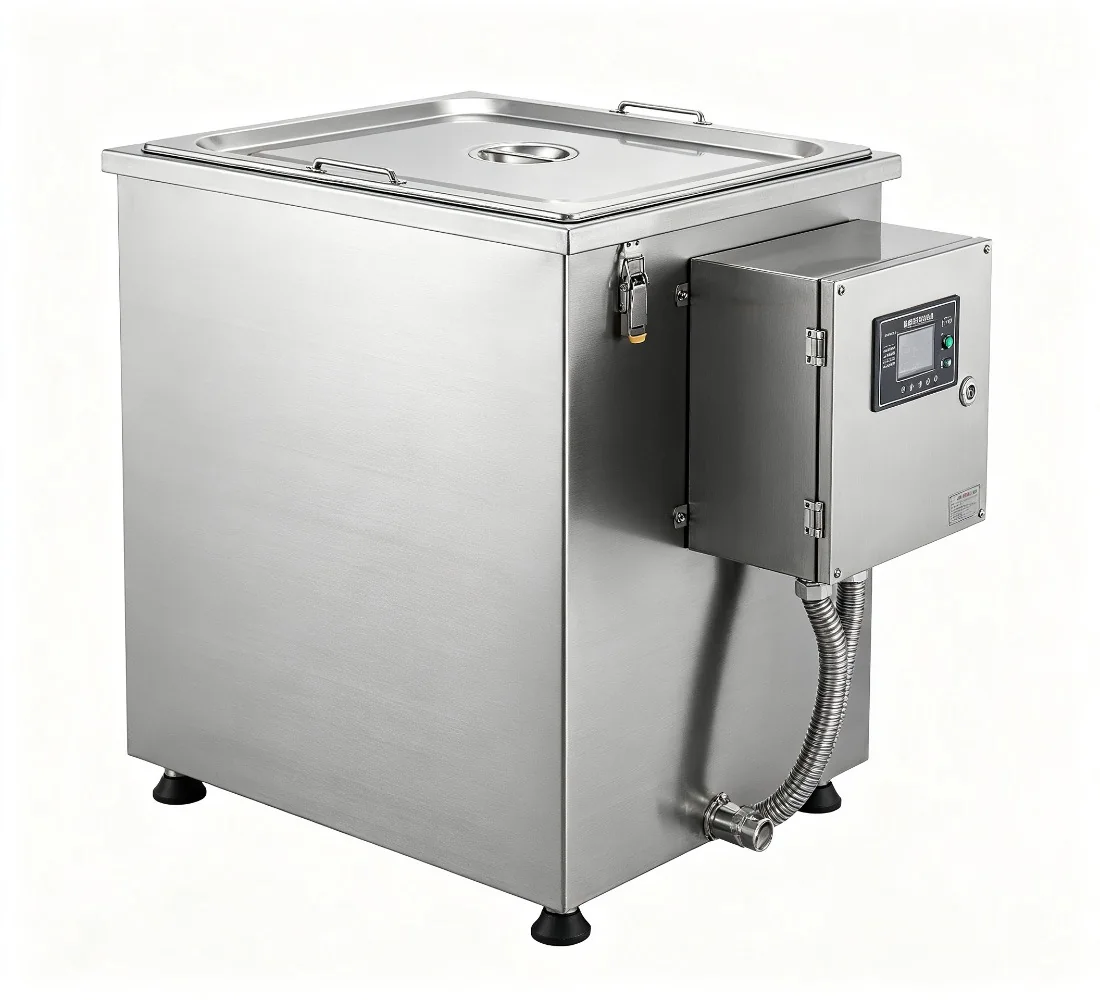
Better results usually come from correct loading, chemistry, power, temperature and rinsing rather than from a longer cycle alone.
Load the parts correctly
Parts packed tightly or resting on the floor shield one another. Use baskets, dividers and clearance, and orient cavities so liquid can reach and drain.
Dense loads benefit from agitation.
- Baskets and dividers
- Clearance
- Cavity orientation
Check chemistry and temperature
Use the right chemistry at the recommended concentration and temperature for the soil and material. A bath that is cold, diluted or exhausted cannot clean.
Degas fresh liquid and check concentration.
Confirm power and frequency
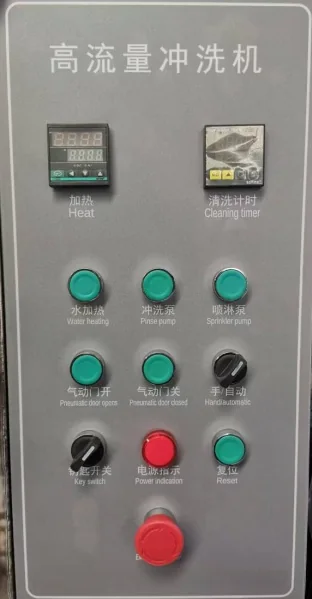
Match power density to the soil and frequency to the part. Heavy contamination needs more energy; delicate surfaces need higher frequency and gentle settings.
Adjustable power and dual frequency help mixed work.
Rinse, filter and dry
Filtration keeps particles out, rinsing removes chemistry and drying prevents spots. Improving the final stages often changes the perceived result.
Inspect using the same method every time.
Quick Answers
Frequently asked questions
Common causes are loading, a loaded bath, chemistry concentration, temperature or missing rinsing. Check these in order using the same parts.
A longer cycle is a blunt fix; correct loading, chemistry, power and frequency are usually more effective and faster.
When oil and particles load it and results deteriorate; filtration and skimming extend that period.