Change the solution when it is loaded with oil and particles and stops cleaning, rather than on a fixed calendar.
Signs the bath is exhausted
When the liquid is visibly loaded with oil, particles and debris, smells, leaves residue or cleaning results deteriorate, it is time to change. A bath that cleaned well but now needs longer cycles is becoming exhausted.
The most reliable indicator is the result on the part rather than a fixed number of days.
- Visible oil and particles
- Longer cycles needed
- Residue or film on parts
- Odour or discolouration
Why soil loading matters
Each batch adds oil and particles. A process with heavy oil loading exhausts the bath faster than light rinsing, even with the same machine.
Pre-cleaning heavy soil before the ultrasonic bath reduces the load.
Extending bath life
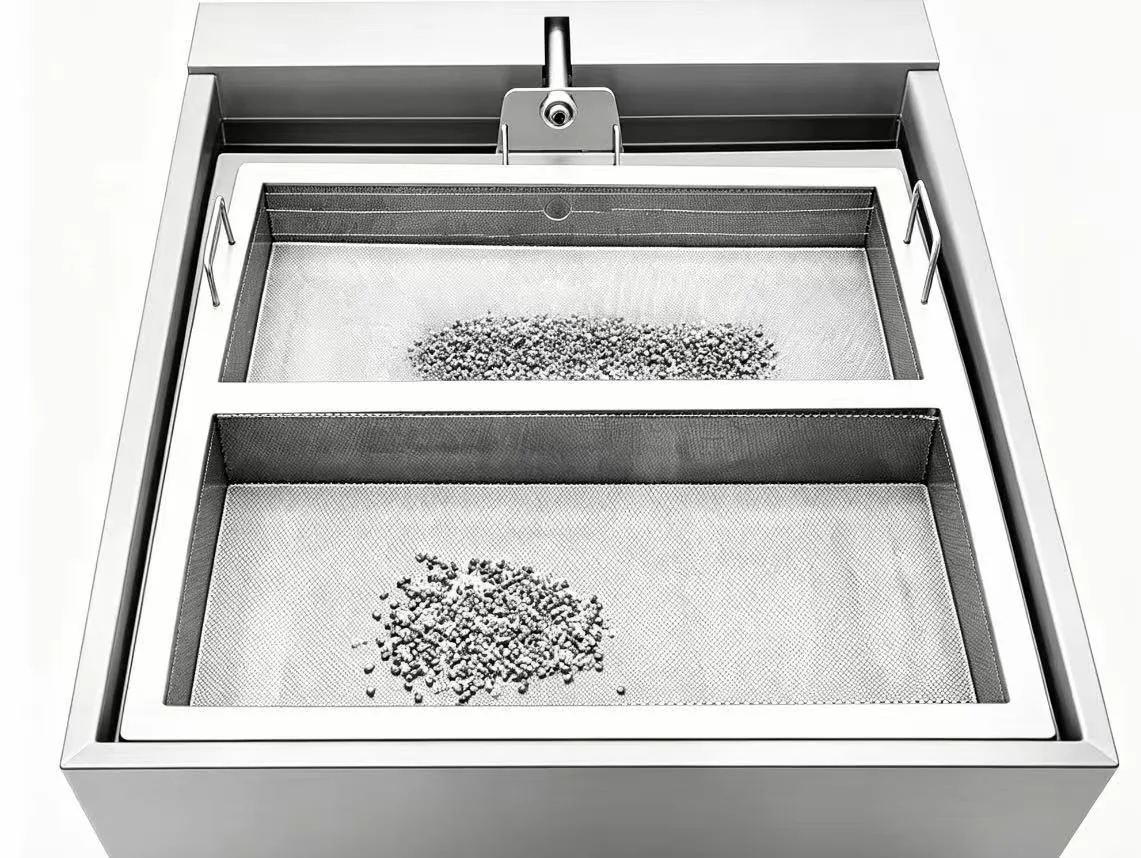
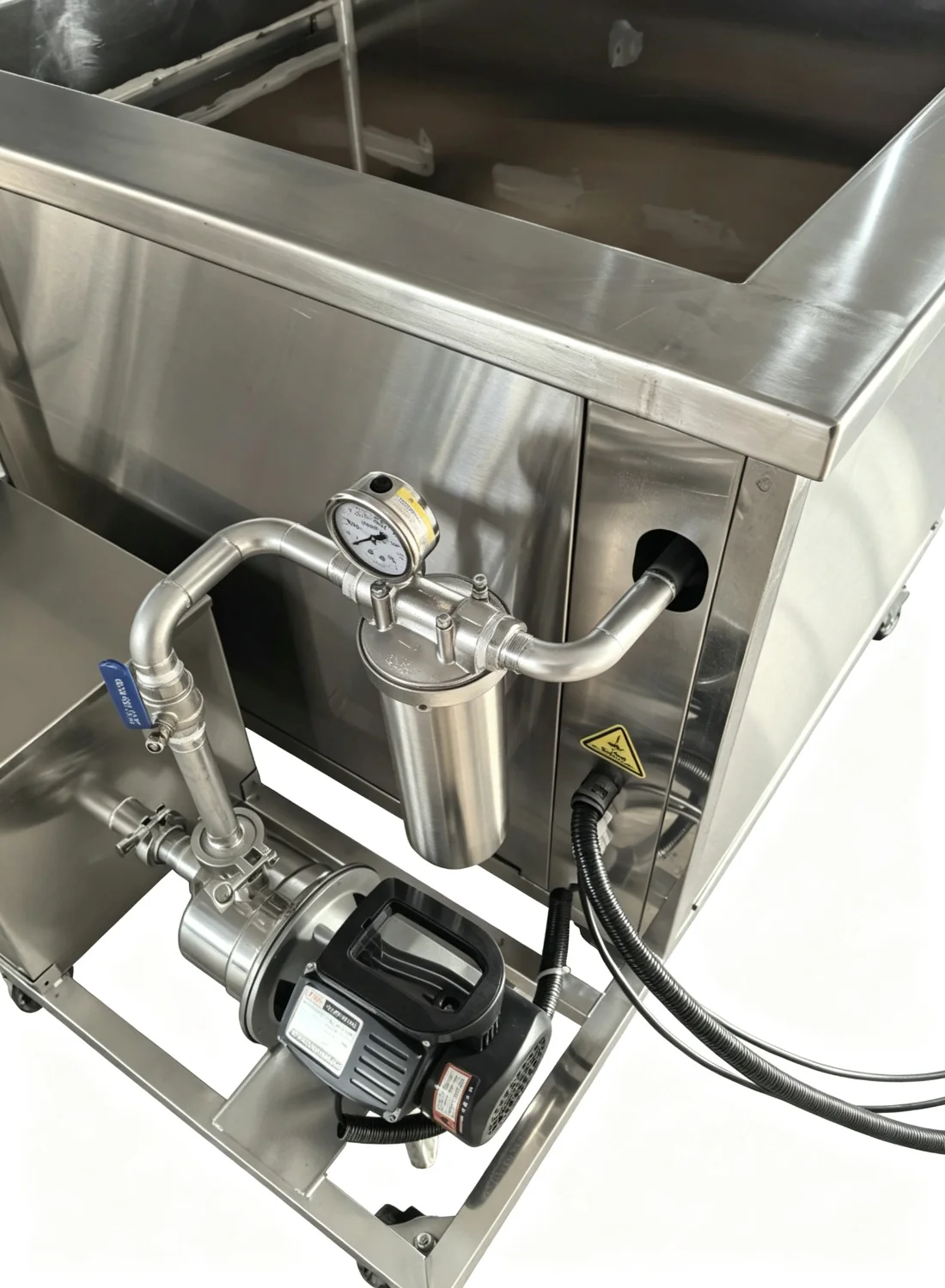
Filtration removes particles, oil skimming removes floating oil and concentration control keeps the chemistry effective. These measures change how often the liquid is changed.
Counterflow rinsing and solvent recovery apply to other stages.
Changing the bath correctly
Drain through the correct waste route, clean the tank, refill with fresh liquid at the recommended concentration and degas before the first cycle.
Keep chemistry and water quality consistent so results are repeatable.
Quick Answers
Frequently asked questions
It depends on the soil load; heavy degreasing exhausts it faster than light rinsing. Judge by the result and visible loading rather than a fixed calendar.
Yes. Removing particles and floating oil keeps the bath usable longer, although the chemistry still needs eventual replacement.
Clean the tank, refill at the recommended concentration and degas the fresh liquid before cleaning.