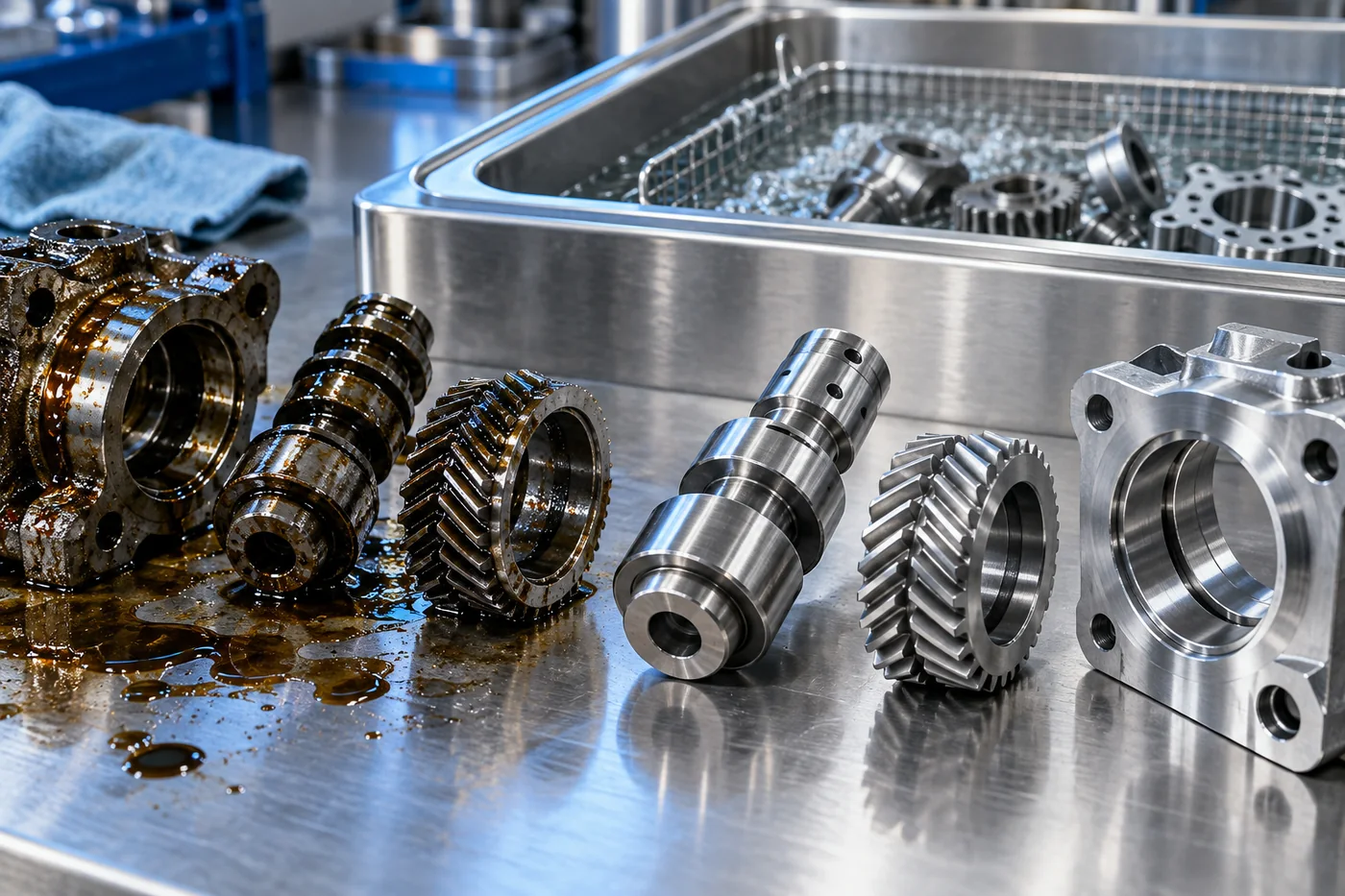
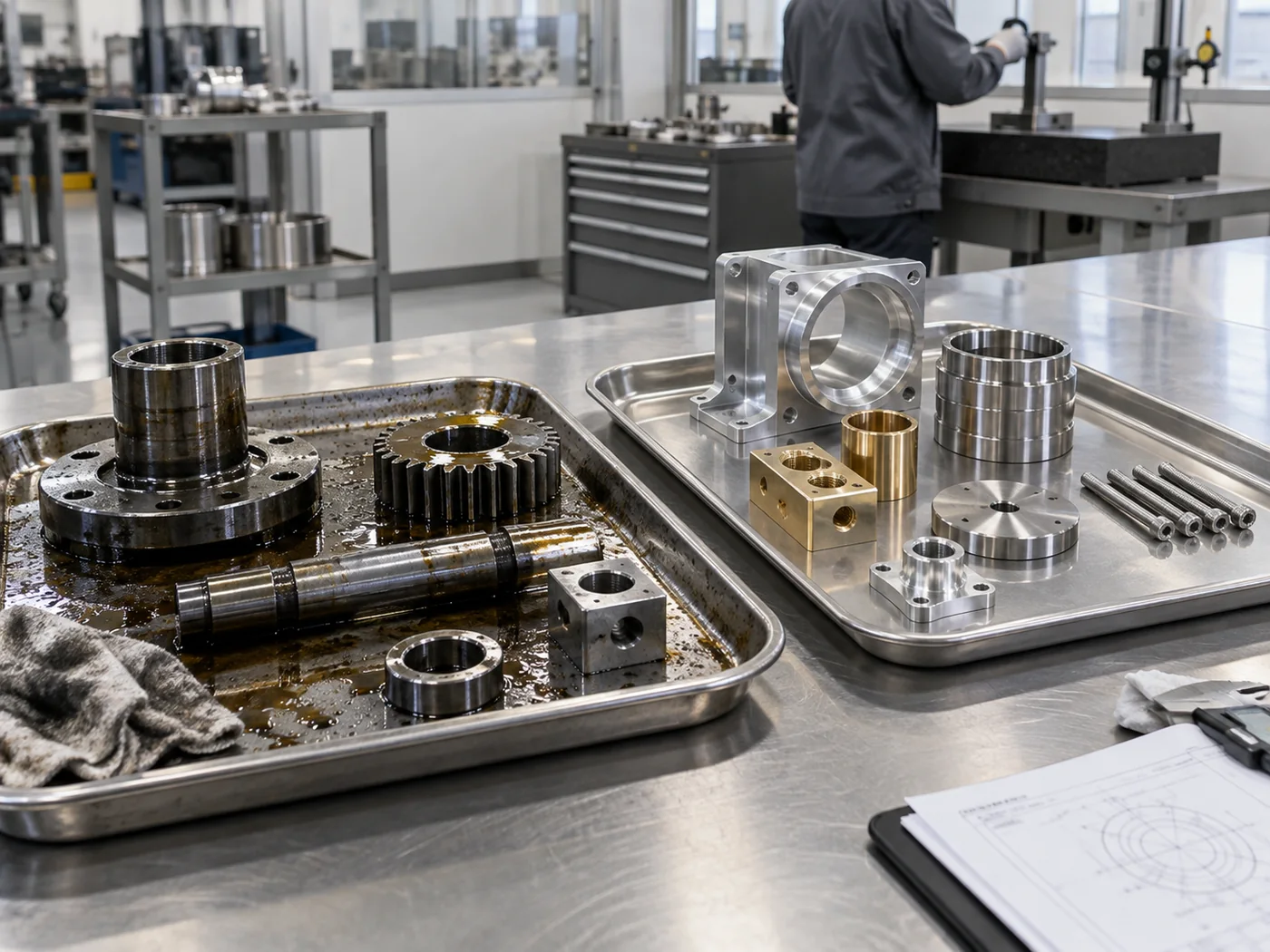
Correctly matched ultrasonic cleaning is safe for most metal parts; damage usually comes from wrong frequency, chemistry, temperature or loading.
When cavitation is too aggressive
A very low frequency or high power on a delicate surface can mark or erode it, especially over long times. Frequency and power are matched to the part.
Higher frequency and gentle settings protect delicate work.
- Frequency too low
- Power too high
- Cycle too long
Chemistry and temperature damage
Wrong chemistry or excessive heat can stain, etch or alter some alloys, particularly aluminum. The chemistry and temperature are validated against the material.
Parts are rinsed and dried promptly.
- Staining and etching
- Heat effects
- Material compatibility
Mechanical damage
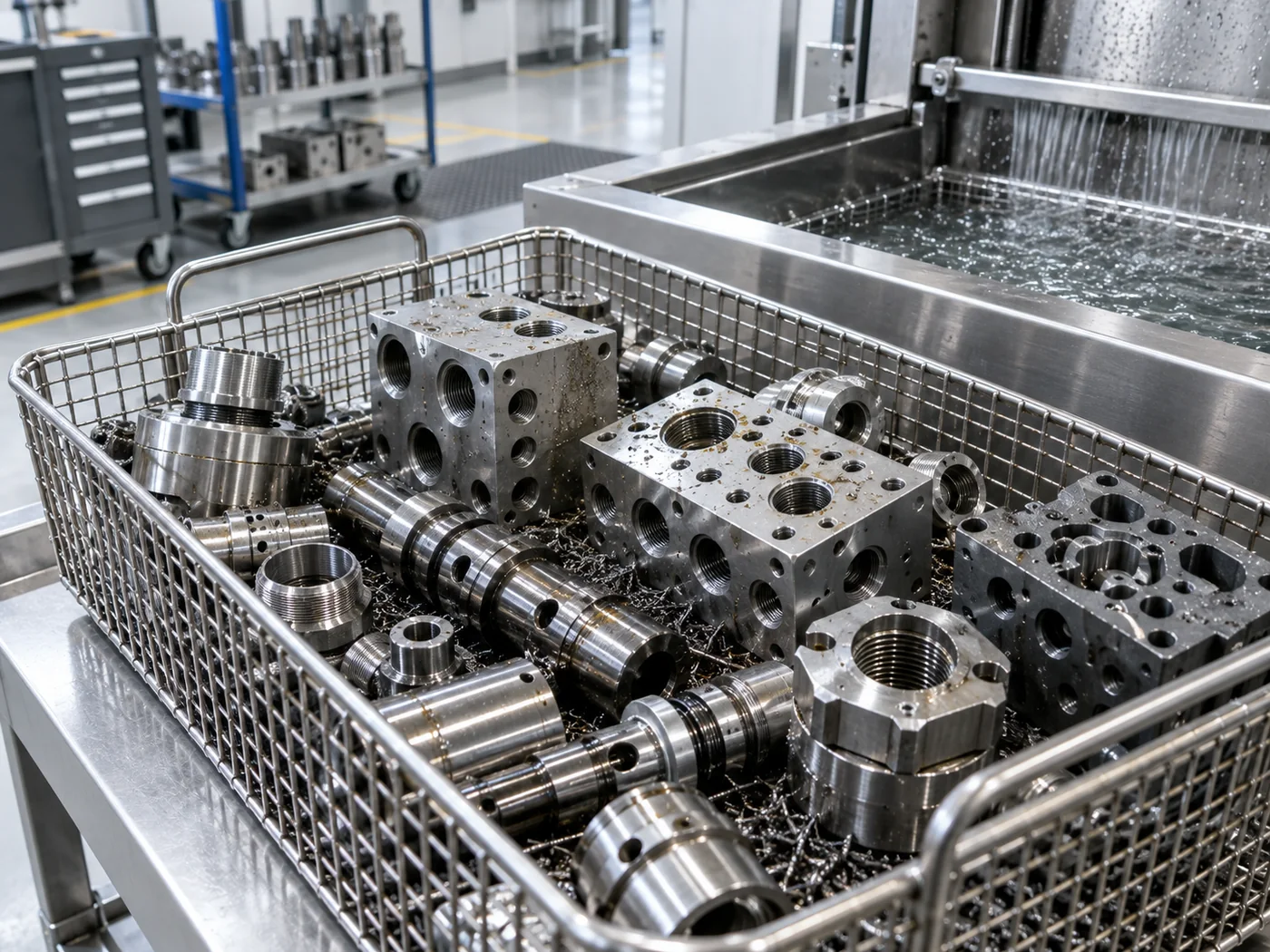
Parts that rub against one another or the basket can be mechanically damaged, even though the ultrasound itself is not the cause. Use dividers and proper loading.
Heavy parts need matched baskets and handling.
How to avoid it
Run a trial on a representative part with the intended settings, then inspect using the same method as production.
Document the accepted frequency, chemistry and temperature.
Quick Answers
Frequently asked questions
With correct frequency, power and time, it is safe for most metal; erosion risk comes from settings that are too aggressive on a delicate part.
Delicate, thin, soft or sensitive surfaces and some alloys, which are validated with higher frequency and gentle settings.
Not when matched correctly; the process is widely used on precision parts and validated by trial cleaning.