
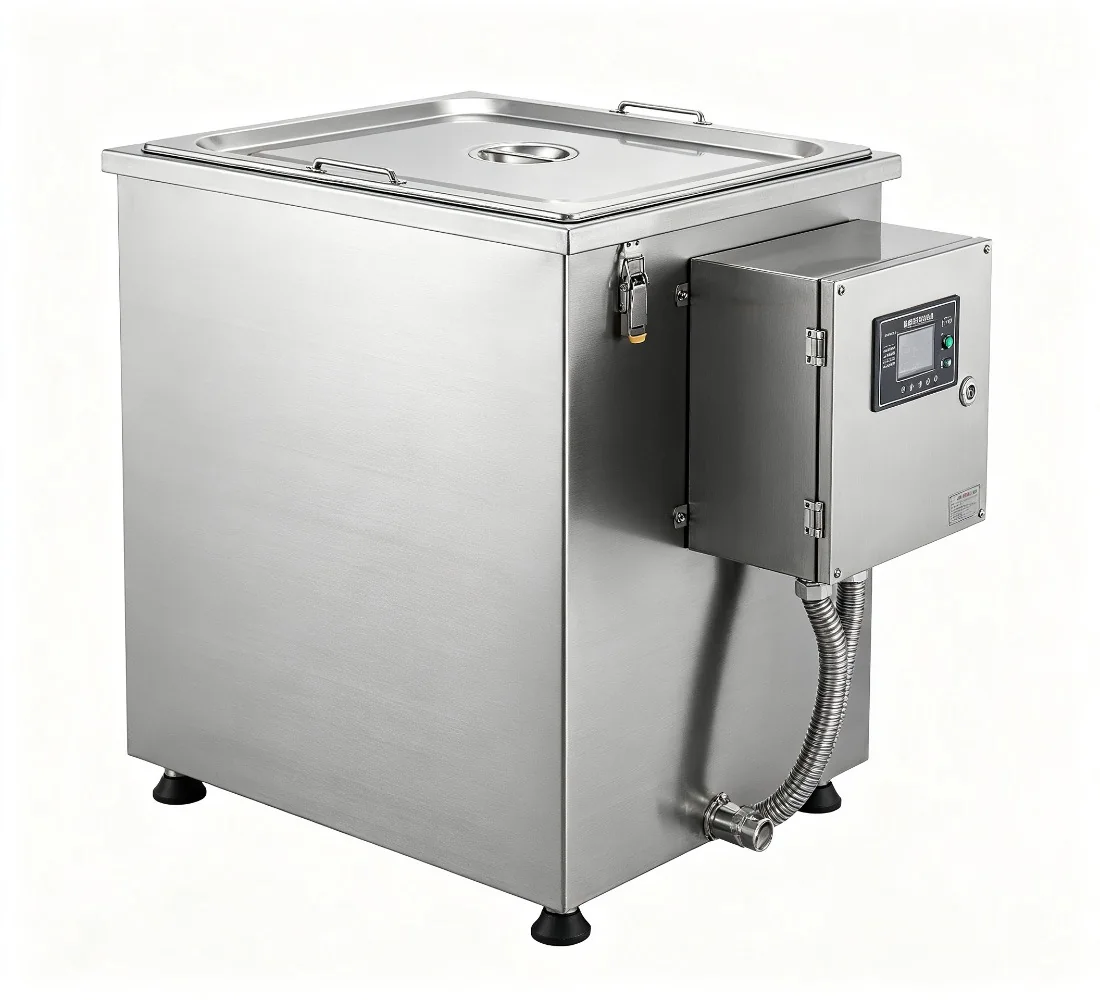
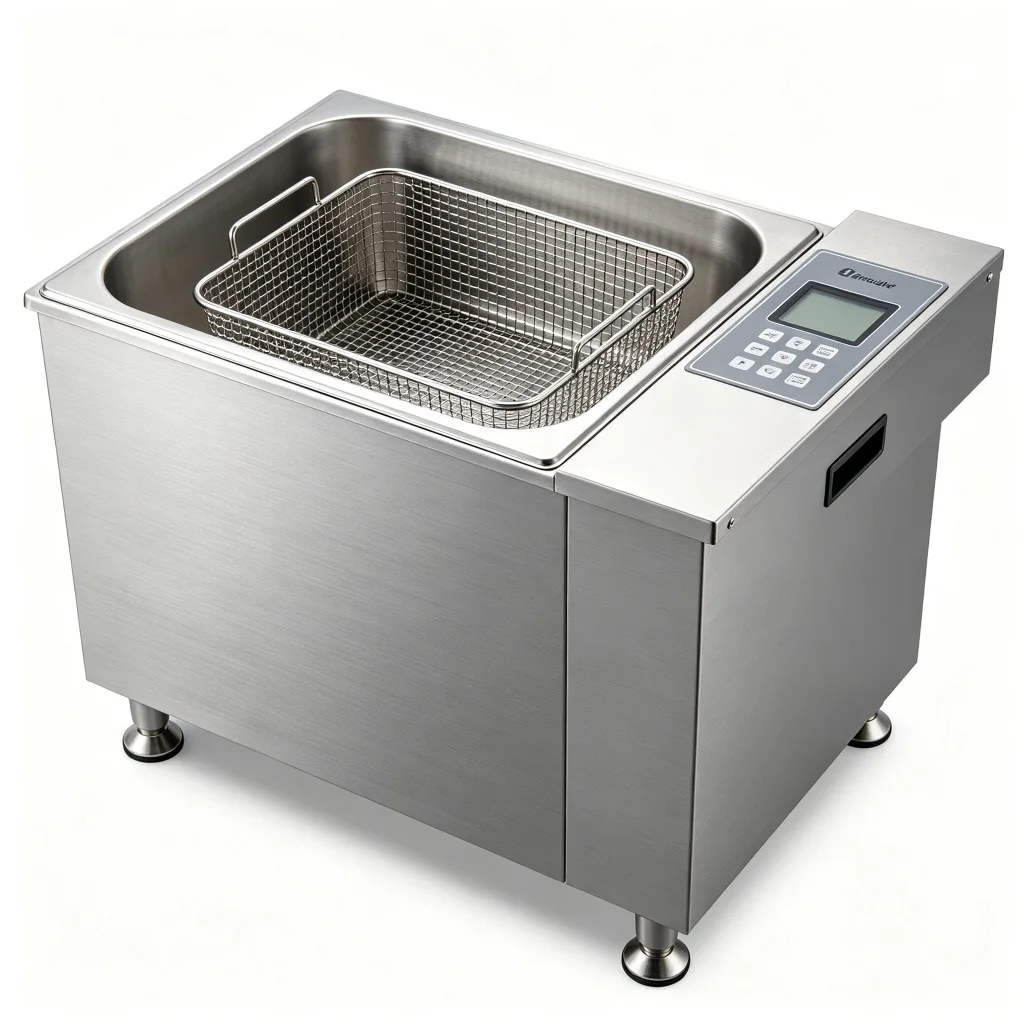
Water-based detergents and hydrocarbon solvents are both established cleaning routes, but they suit different soils, materials and factory conditions. The choice should follow engineering evidence rather than habit.
How the processes differ
A heated aqueous solution combines detergent action with ultrasonic cavitation and usually needs rinsing and drying. Hydrocarbon or modified-alcohol media dissolves many oils, waxes and pastes directly, dries quickly and reduces flash-rust risk, but requires an engineered solvent system.
Where water-based cleaning wins
Aqueous cleaning is often suitable for machined steel, higher production volumes, inorganic soil and facilities with water, drainage and drying. Chemistry concentration, bath condition and rinse quality must be managed throughout the shift.
Where hydrocarbon cleaning wins
Bearings, hydraulic parts, polished or plated components and wax- or paste-contaminated parts may benefit from fast, spot-free drying and low corrosion risk. Compatibility and residue still need trial verification.
Safety and total cost
Solvent projects require suitable electrical protection, grounding, sealed lids, independent temperature protection and, where needed, inerting or vapor recovery. Total cost compares aqueous chemistry, water and drying energy with solvent recovery, safety construction and media handling.
Confirm the route with sample parts
Send the exact material, contamination, wetting and drying constraints, and hazardous-area information. Trial cleaning can then compare result, cycle, rinse demand and final surface condition before equipment is specified.